
Fertilization
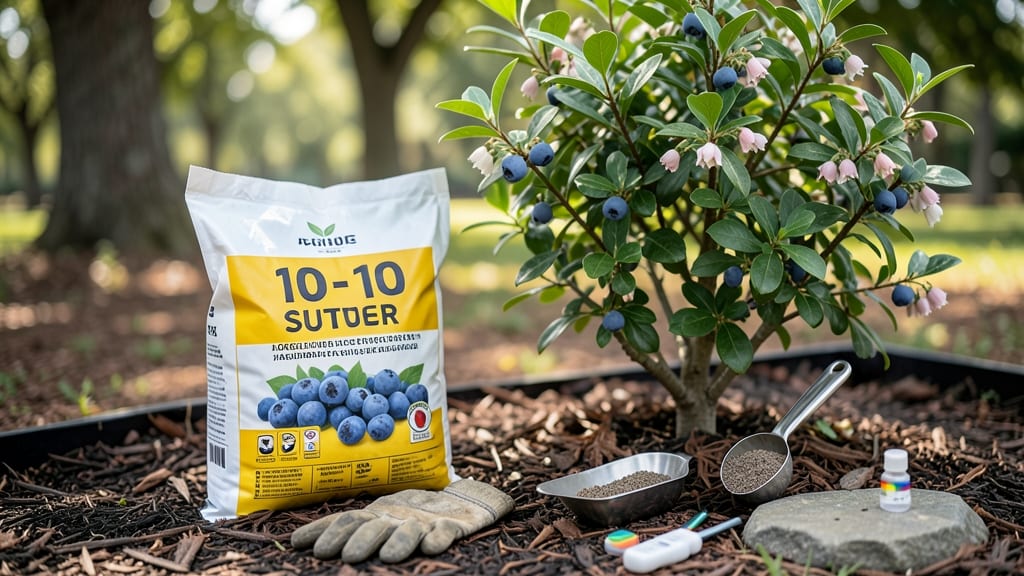
Fertilizing blueberry bushes at the right times is the key to sweet, plump berries—and skipping or overdoing it can leave you with bitter fruit or stressed plants.
Picture this: you’ve spent months nurturing your 🫐 blueberry bushes, only to harvest tart, undersized berries because you fertilized at the wrong moment. That’s why timing matters more than the type of fertilizer you use.
In USDA Zones 4-8, the best times to feed your bushes are early spring (just before buds swell), late spring (after flowering), and fall (to prep roots for winter). Miss these windows, and you risk stunted growth or even plant decline.
Below, I break down the three critical fertilization stages, how to adjust for young vs. mature bushes, and the best organic vs. synthetic options—so you can grow berries that burst with flavor every season.

Best times to fertilize blueberry bushes for maximum fruit production
Blueberry bushes are finicky about feeding—get the timing wrong, and you’ll end up with small berries, fewer flowers, or even stunted growth. Unlike many plants, blueberries need three key fertilization windows to produce sweet, abundant fruit.
The secret? Matching nutrients to their natural growth cycles, from root boosts in spring to fall prep for next year’s harvest. Let’s break down the exact timing and why each stage matters.
First, always test your soil pH—blueberries crave acidic soil (4.5–5.5). If your soil is too alkaline, no amount of fertilizer will help. Use a pH test kit or send a sample to your local extension office.
Once you’ve got the acidity right, timing becomes your next critical factor. Fertilizing at the wrong time can burn roots, waste nutrients, or even delay fruiting.
Here are the three golden windows for fertilizing blueberry bushes, plus what each stage accomplishes for your plants:
When: Late February–March (Zone 6a)
Apply a balanced fertilizer (10-10-10) or cottonseed meal to kickstart root growth and flower buds. This is your plant’s wake-up call after winter.
When: May–June (Post-Bloom)
Switch to a low-nitrogen, high-phosphorus fertilizer (e.g., 7-9-5) to support fruit development. This prevents excess leafy growth at the expense of berries.
When: September–October
Use a low-nitrogen fertilizer (like peat moss) to strengthen roots before winter. This ensures next year’s flowering potential.
Skipping any of these windows can lead to poor fruit set or weak plants. For example, if you only fertilize in spring, your bushes might produce lots of leaves but few berries.
The late-spring feeding is especially crucial—it’s when your blueberries decide whether to invest in fruit or more foliage. Think of it as their "decision-making season."
For young blueberry bushes (under 2 years old), cut fertilizer use in half. Their roots are still developing, and too much nutrient can burn delicate roots. Instead, focus on organic matter like compost or well-rotted manure.
Mature bushes (3+ years) can handle the full dose, but always water deeply after fertilizing to prevent root damage.
One common mistake? Fertilizing in mid-summer. This can trigger late-season growth that won’t harden off before winter, leading to frost damage. Save your fertilizing for the three key windows outlined above.
Pro tip: Pair each feeding with a 2-inch layer of mulch (like pine straw) to lock in moisture and maintain acidity.
Regional climate matters too. In warmer zones (8–9), fall fertilization might extend into November, while cooler zones (3–5) should wrap up by early October. Always check your last frost date—you want roots to harden off before winter, not flush with new growth.
For container-grown blueberries, fertilize 2 weeks later than in-ground plants since pots warm up faster.
Finally, don’t forget micronutrients. Blueberries are hungry for magnesium, zinc, and calcium. If your soil is deficient, add Epsom salt (for magnesium) or lime (dolomitic) sparingly to avoid raising pH too much.
A simple soil test every 2–3 years keeps you on track. With the right timing and nutrients, your blueberry bushes will reward you with bushes bursting with flavorful berries year after year.
How to choose the right fertilizer for blueberry bushes at each stage
Blueberry bushes demand specific nutrients at different growth stages, but not all fertilizers are created equal. For early spring, focus on balanced NPK ratios (like 10-10-10) to kickstart growth, while late spring needs higher phosphorus (e.g., 12-4-8) to support flowering.
Organic options like cottonseed meal or fish emulsion provide slow-release nutrients, while synthetic blends offer quick results—but can burn roots if overapplied.
Micronutrients like magnesium and zinc are critical for blueberries, especially in acidic soils (pH 4.5–5.5). Organic fertilizers like Epsom salt (for magnesium) or chelated iron can prevent deficiencies like chlorosis (yellow leaves). Synthetic fertilizers often lack these micronutrients, so supplement with organic amendments like composted pine needles or peat moss.
The right fertilizer depends on your bush’s age and stage. Young plants need gentle feeding (e.g., half-strength fertilizer), while mature bushes can handle stronger doses during fruiting. Always test soil pH before choosing a fertilizer—blueberries hate alkaline soil, and synthetic fertilizers can worsen pH imbalances over time.
| Stage | Best Fertilizer Type | NPK Ratio | Micronutrients | When to Apply |
|---|---|---|---|---|
| Early Spring (Bud Break) | Organic: Cottonseed meal Synthetic: 10-10-10 |
10-10-10 or 12-4-8 | Magnesium (Epsom salt) | After pruning, before new growth |
| Late Spring (Flowering) | Organic: Fish emulsion Synthetic: 12-4-8 |
12-4-8 (high phosphorus) | Zinc (chelated) | After flowering begins |
| Fall (Root Growth) | Organic: Composted pine needles Synthetic: 5-10-10 |
5-10-10 (low nitrogen) | Iron (for acidity) | 6-8 weeks before first frost |
For young bushes, stick to organic fertilizers like alfalfa meal or worm castings—they’re gentler on delicate roots. Mature bushes can handle synthetic blends during peak fruiting, but always water deeply afterward to prevent root burn.
Avoid fertilizers with high nitrogen (like lawn fertilizers) after mid-summer, as they encourage leafy growth at the expense of berry production.
My go-to organic blend is cottonseed meal for early spring—it’s slow-release, acidifies soil naturally, and provides balanced nutrients. For synthetic lovers, Miracle-Gro Acid-Loving Plant Food is a solid choice, but I always dilute it to half-strength to avoid overfeeding.
Pro tip: Side-dress with compost in fall to boost root health without risking nutrient burn.
Remember, less is more with blueberries. Over-fertilizing leads to salt buildup, stunted growth, or even fungal issues. If your bushes look leggy or yellow, cut back on nitrogen and focus on phosphorus and potassium instead.
And always mulch with pine straw or wood chips to maintain acidity and moisture—it’s like a free fertilizer booster!