
Companion Plants
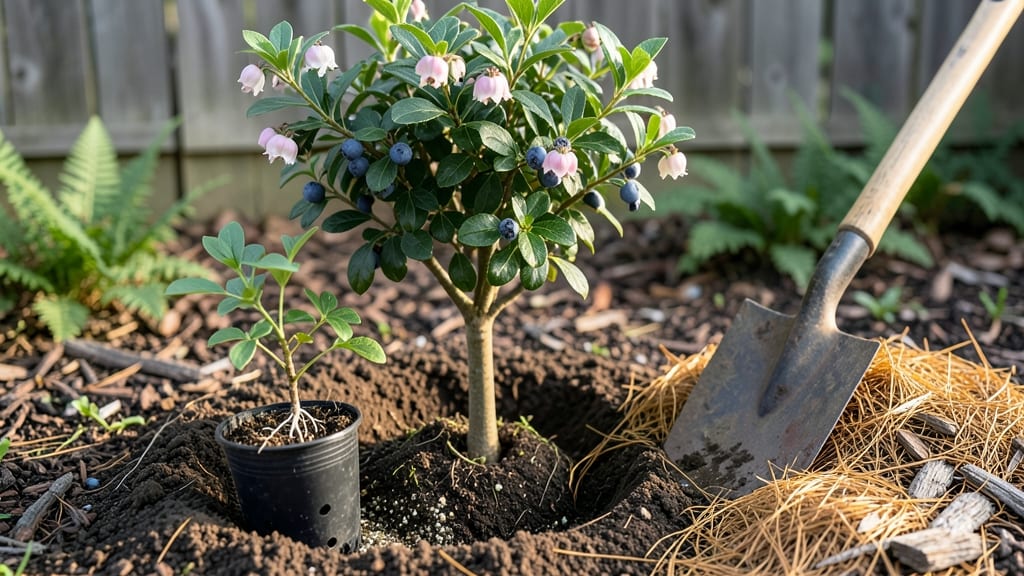
Planting blueberry bushes in Pennsylvania at the right time ensures a thriving 🫐 harvest for years to come.
If you’ve ever watched a blueberry bush struggle after a late planting, you know timing is everything. Pennsylvania’s climate—with its sharp swings from frost to heat—demands precision. Plant too early, and roots can freeze; too late, and the bush may not establish before winter.
The key? A narrow window in early spring or fall when soil is workable but frost isn’t lurking.
For most of Pennsylvania (USDA zones 5b-7a), late April through early June or September to early October is ideal. These months balance soil warmth, moisture, and minimal frost risk.
But here’s the catch: Northern PA’s cooler zones (like 5b) need earlier spring planting, while Southern PA’s milder climate (zone 7a) can stretch into late fall.
Below, I’ll break down the exact timing for your zone, plus soil prep tips to give your bushes the acidic, well-draining home they crave. Ready to plant for success?
Best planting months for blueberry bushes in PA by hardiness zone
Pennsylvania’s USDA hardiness zones 5-7 create perfect conditions for blueberry bushes, but timing your planting is critical. The ideal window depends on your zone and whether you prefer spring or fall planting.
In Zone 5b (northern PA), aim for late April to early May or September to early October, while Zone 7a (southern PA) can extend planting until mid-October.
Soil temperature plays a pivotal role—roots need 40-50°F soil to establish before dormancy.
Planting too early risks frost damage, while late spring planting (June+) often leads to stunted growth because bushes struggle to root before summer heat. Fall planting gives roots time to settle before winter, but avoid late October in colder zones.
Here’s your zone-specific planting guide for Pennsylvania’s microclimates, including frost risk and soil prep tips:
| USDA Zone | Best Planting Months | Soil Temp Threshold | Frost Risk | Microclimate Notes |
|---|---|---|---|---|
| 5b (Pittsburgh, Erie) | Late April–Early May September–Early October |
40–50°F | High (last frost: May 15) | Northern PA: Use black plastic mulch for warmth |
| 6a (Harrisburg, State College) | Early April–Mid June September–Mid October |
45–50°F | Moderate (last frost: April 30) | Central PA: Spring planting preferred for faster root growth |
| 7a (Philadelphia, Reading) | March–June September–November |
45–55°F | Low (last frost: April 15) | Southern PA: Fall planting extends root growth into winter |
Many gardeners make the mistake of planting in late spring (June or July) because they assume warmer weather is better. However, blueberry bushes planted in summer often struggle to root before drought or heat stress sets in.
In Zone 5b, summer-planted bushes may not survive the first winter without proper mulching.
For northern PA (Zones 5b-6a), prioritize fall planting—roots establish before winter, and bushes emerge 3-4 weeks earlier in spring.
In southern PA (Zone 7a), spring planting gives bushes a full growing season to mature before winter. Container planting is ideal for urban areas and extends your window to June or early July if soil is kept moist.
Always check your local frost dates—Penn State Extension’s PA Climate Office offers zone-specific tools. For acid-loving blueberries, amend soil with peat moss or sulfur to reach pH 4.5-5.5 before planting. Well-draining soil is non-negotiable to prevent root rot, especially in PA’s heavy clay soils.
Pro tip: If you miss the ideal window, bare-root bushes can be planted in early spring (March) as long as soil isn’t frozen. Just soak roots for 2 hours before planting to reduce transplant shock. Container-grown bushes offer more flexibility but cost more upfront.
Remember, blueberry bushes planted at the right time in PA can live for 50+ years and produce 10+ pounds of berries annually once established. Timing isn’t just about this year’s harvest—it’s about decades of sweet rewards. 🫐
How to prepare your PA garden for blueberry planting success
Preparing your Pennsylvania garden for blueberry bushes goes beyond digging a hole—it’s about creating the perfect environment for these acid-loving shrubs to thrive. Blueberries demand specific soil conditions and protection from common PA challenges like wind exposure and compacted clay soil.
Start by selecting a spot with 6-8 hours of sunlight and shelter from harsh winds, which can stunt growth in exposed areas like western PA valleys.
Your first critical step is testing and adjusting the soil pH. Blueberries refuse to grow in alkaline soil—aim for a pH between 4.5 and 5.5. Most PA soils naturally lean alkaline, so you’ll likely need to amend with peat moss or sulfur.
Grab a soil test kit from your local garden center or send a sample to Penn State Extension for precise results. This adjustment alone can mean the difference between bushes that struggle and ones that produce bountiful harvests.
Use a kit or Penn State Extension lab to confirm pH 4.5-5.5. Most PA soils need peat moss or sulfur to acidify.
Amend heavy clay soil with compost or sand to prevent root rot. Raised beds work well in wet PA areas.
Plant near fences or hedges to protect from PA winds, especially in exposed areas like Erie or Allegheny counties.
Add rhizobia-inoculated legumes (like clover) or evergreens to improve soil health and retain moisture.
Too much fertilizer or peat moss can burn roots. Stick to 1-2 inches of compost mixed into the top 12 inches of soil.
Drainage is another dealbreaker for blueberries in Pennsylvania. If your yard has heavy clay soil (common in the Poconos or Pittsburgh areascompost or coarse sand to improve aeration. For wet spots, consider raised beds—this gives roots room to breathe while keeping moisture levels ideal.
In container gardens, use a mix of 50% peat moss, 30% pine bark, and 20% perlite for perfect drainage.
Once your soil is prepped, think about companion planting. Blueberries pair well with rhizobia-inoculated legumes (like clover or alfalfa), which naturally acidify soil and fix nitrogen. Evergreens like pine or spruce also make great neighbors—they provide shade in summer and shelter from winter winds.
Avoid planting near raspberries or strawberries, which can compete for nutrients and spread diseases like verticillium wilt.
Finally, create a checklist for planting day to avoid common mistakes. Mark off tasks like digging holes twice as wide as the root ball, adding a handful of acid-loving fertilizer, and watering deeply before and after planting.
Skip the urge to over-fertilize—blueberries are sensitive to high salt levels, which can stunt growth. Instead, focus on mulching with pine needles to slowly acidify soil and retain moisture.
With these steps, your PA garden will be ready for blueberry bushes that thrive, not just survive. The key is patience—amending soil takes time, but the payoff is decades of sweet, homegrown berries. Start your prep work now, and you’ll be harvesting by next summer! 🫐🌱