
Pruning
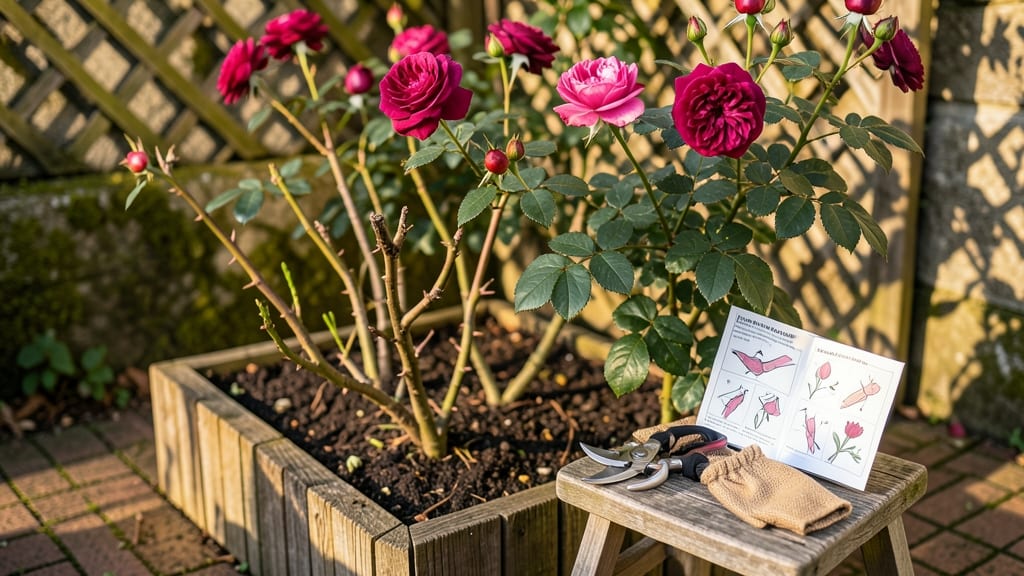
Trimming rose bushes in Texas works best in late February, when the last frost risk has passed but new growth hasn’t yet begun.
Texas gardeners know timing is everything—especially when it comes to pruning 🌹. Get it wrong, and you risk stunted blooms or even damage from unpredictable spring freezes. But master this late-February technique, and you’ll unlock a season of vibrant, healthy roses that outshine your neighbors’.
Here’s the key: prune after the average last frost date—around February 15 in North Texas and January 1 in South Texas—but before buds swell. This window ensures you remove dead wood while avoiding shock to emerging growth.
Below, I’ll walk you through the exact steps, including how to check frost warnings, shape your bushes for airflow, and avoid Texas-specific pitfalls like humidity-related diseases.
The perfect late-February pruning window for Texas roses
Late February is the sweet spot for pruning Texas roses—just after the last frost risk but before new growth kicks in. This timing gives your roses a head start on the growing season while avoiding damage from unpredictable Texas freezes.
In North Texas, aim for mid-to-late February, while South Texas gardeners can prune as early as early February due to warmer climates.
Why wait until February? Pruning too early risks exposing tender canes to late-winter freezes, while cutting too late delays blooming. The key is to prune after the average last frost date for your region, which typically falls between February 1-15 in Texas.
Always check the National Weather Service or local agricultural extension for freeze warnings before grabbing your shears.
Here’s how to assess your frost risk in 3 simple steps before pruning:
- Check historical frost dates for your Texas county (North Texas: February 15; South Texas: January 1).
- Monitor nighttime temperatures—prune only when temps stay above 32°F for 5+ days.
- Use a frost clock app (like FrostWatch) for real-time alerts.
Texas roses thrive when pruned during this window because it removes dead or weak wood, improves air circulation, and encourages stronger blooms in spring. The 5-gallon bucket rule applies here: aim to leave canes the size of a 5-gallon bucket (about 1/4-inch thick) to support healthy growth.
For North Texas gardeners, late February is critical—waiting too long means missing the optimal pruning window before April showers trigger new growth. In South Texas, where winters are milder, early February pruning works best to avoid humidity-related diseases like black spot.
Pro tip: Prune on a dry, sunny day to reduce stress on the plant and allow wounds to heal faster. Avoid pruning after rain or high humidity, as this increases the risk of fungal infections.
| Region | Last Frost Date | Ideal Pruning Window | Key Consideration |
|---|---|---|---|
| North Texas (Dallas, Fort Worth) | February 15 | Mid-to-late February | Avoid late freezes; prune after 32°F for 5+ days. |
| Central Texas (Austin, San Antonio) | February 1 | Early-to-mid February | Watch for sudden cold snaps; prune before bud swell. |
| South Texas (Houston, Corpus Christi) | January 1 | Early February | Prune early to avoid humidity-related diseases. |
| West Texas (El Paso, Lubbock) | February 20 | Late February | Drier climate; prune after last frost risk passes. |
🌹 Note: Adjust timing based on microclimates (e.g., valleys vs. hills).
After pruning, sanitize your shears with rubbing alcohol to prevent spreading rose diseases. Remove all pruned debris from the garden bed to reduce pests and fungal spores.
In North Texas, apply a light mulch layer (2-3 inches) around the base to insulate roots, while South Texas gardeners can skip mulching until spring.
Once you’ve pruned, fertilize lightly in early March to kickstart growth. Use a balanced 10-10-10 fertilizer (1 tablespoon per plant) to avoid shocking the roses. In humid South Texas, opt for a fungicide treatment after pruning to prevent black spot.
By mastering this late-February pruning window, your Texas roses will reward you with bigger blooms, healthier canes, and fewer pests all season long. The effort pays off in June’s vibrant displays—trust me, your neighbors will notice! ✂️🌹
How to prune Texas rose bushes for maximum bloom power
Pruning your Texas rose bushes at the right time transforms them from scraggly survivors to show-stopping bloomers. The key? A sharp February cutback that removes last year's dead wood while encouraging 5-gallon bucket-sized canes—thick, sturdy stems that produce more flowers.
But timing matters: Cut too early, and you risk frost damage; too late, and your roses miss their prime growth window. Let’s break this down step by step.
Before grabbing your shears, know this: Hybrid teas, climbing roses, and shrub roses all need different approaches. Hybrid teas benefit from aggressive pruning to focus energy on fewer, larger blooms, while shrub roses thrive with a more natural shape.
Climbers? Leave their canes longer to support their vertical growth. The goal is always the same: airflow and sunlight to prevent disease and maximize blooms.
Start by cutting out any blackened, mushy, or hollow canes. Use clean, sharp pruners to make 45-degree cuts just above an outward-facing bud. This prevents water from pooling and reduces disease risk.
Thin out crowded canes to improve circulation and sunlight penetration. Aim for a 5-gallon bucket-sized cane (about 1/2-inch thick) per plant. Cut back to just above a healthy bud, and avoid leaving stubs.
Hybrid teas: Cut back to 18-24 inches for dramatic blooms. Climbers: Prune lightly to maintain structure. Shrub roses: Leave 3-4 canes per plant for a natural look. Always cut just above an outward-facing bud.
Rake up debris and sterilize pruners with rubbing alcohol. After pruning, apply a balanced fertilizer (10-10-10) to encourage new growth. Water deeply to help recovery.
Pro tip: Use a disinfectant spray on your pruners between cuts to prevent spreading black spot disease, a common Texas rose nemesis. And if you’re unsure about a cut, remember: It’s better to leave a little too much than too little.
You can always prune more later, but you can’t un-cut a stem!
Once you’ve finished, step back and admire your open, airy rose bush. With proper pruning, your roses will reward you with longer stems, bigger blooms, and fewer pests.
Just imagine the vibrant display you’ll have by Memorial Day—all thanks to a few sharp cuts in late February. Your neighbors will be green with envy!
🌹