
Shrubs
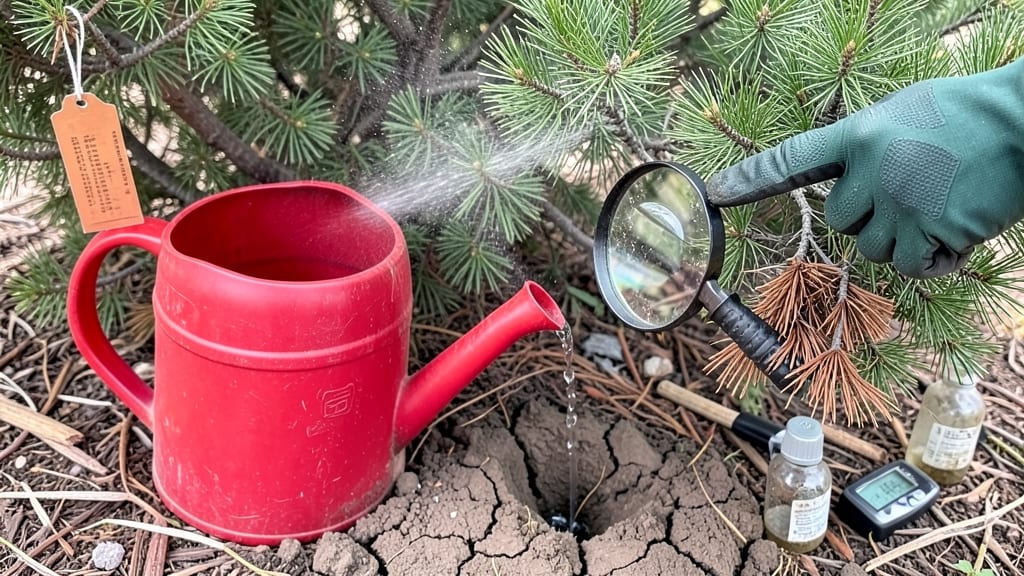
Your evergreen bushes turning brown isn’t a death sentence—it’s a wake-up call from the roots. 🌿 I’ve seen this happen more than I’d like to admit, usually because we’re either drowning them in water or ignoring them completely. The good news?
Most browned evergreens can bounce back with the right care, and we’ll get you there in just four simple steps. First, check the soil moisture—it’s the #1 culprit. Stick your finger 2-3 inches deep; if it’s soggy, you’ve got root rot. If it’s bone-dry, that’s just as bad.
Evergreens need consistent moisture, not a swamp or a desert. Next, inspect the needles for pests like spider mites or signs of fungal diseases, which often show up as yellowing or webbing before the browning sets in.
What you’ll end up with is a bush that starts showing new green growth within weeks, proving it’s not too late to save your plants. The key is acting fast—once the roots rot completely, the whole plant struggles to recover.
Here’s how to diagnose and fix it before it’s too late.
Root Causes Of Browning Evergreens
When your evergreen bushes start turning brown, it’s often a cry for help from their roots—or something blocking their ability to thrive. Understanding the why behind the browning is the first step to saving them. Below, we break down the most common culprits, explained in simple terms with actionable insights.
Evergreens need moisture, but too much water can suffocate their roots, leading to root rot—a fungal infection that blocks nutrient absorption. When roots sit in soggy soil for too long, they starve for oxygen, turn mushy, and release toxins that cause browning.
Signs to watch for:
- Yellowing or browning needles (especially at the tips)
- Soft, spongy roots when gently pulled from the soil
- Foul-smelling soil (like rotting eggs or mildew)
- Stunted growth despite regular watering
Why it happens: Evergreens like Juniperus or Pinus species prefer well-draining soil. If your garden has clay-heavy or compacted soil, water pools around roots instead of draining away. Even well-draining soil can become waterlogged during heavy rains or if planted in low-lying areas.
Pro tip: 💡 Stick your finger 2 inches into the soil—if it’s damp, wait before watering. If your soil is heavy clay, amend it with compost or sand to improve drainage.
On the flip side, chronic underwatering causes evergreens to conserve water by shedding needles. When roots can’t pull up enough moisture, the plant signals older needles to brown and drop, prioritizing survival.
Signs to watch for:
- Needles turning crispy and brittle (like paper)
- Soil pulling away from the pot or ground (indicating dryness)
- Needles falling off in clumps, not just browning
- Wilting or drooping growth (though evergreens rarely wilt visibly)
Why it happens: Evergreens have shallow root systems, meaning they rely on consistent moisture. If you’re watering only when the soil feels dry or relying on infrequent deep soaks, roots struggle to reach water reserves. Wind exposure or hot, dry microclimates (like south-facing walls) also accelerate moisture loss.
Pro tip: 🌡️ Water deeply 1–2 times per week (more in extreme heat) and use mulch (2–3 inches of wood chips or straw) to retain soil moisture.
Pathogens like Phytophthora (root rot fungus) or Bacterial Leaf Spot thrive in moist, crowded conditions, attacking evergreens through wounds or weak roots. These infections clog xylem vessels (the plant’s plumbing), preventing water and nutrients from reaching the needles.
Signs to watch for:
- Brown, tar-like spots on needles (bacterial infection)
- Mushy stems at the base or white fungal growth on roots
- Rapid browning even after adjusting watering
- Needles with black or purple margins (common in Cytospora canker)
Why it happens: Fungal spores lurk in poorly draining soil or contaminated tools/mulch. Overhead watering (like sprinklers) splashes spores onto foliage, while wounded roots (from pruning or digging) create entry points. Evergreens in shady, humid conditions are especially vulnerable.
Pro tip: ✨ Sterilize pruners with rubbing alcohol between cuts, and avoid watering foliage. If you suspect infection, treat with copper fungicide or hydrogen peroxide spray (3% solution).
Evergreens are tough, but they’re not immune to environmental shocks. Extreme heat, frost, salt buildup, or windburn can cause needles to desiccate (dry out) or turn brown without a clear infection or watering issue.
Signs to watch for:
- Browning on one side of the bush (windburn)
- Needles turning reddish-brown in winter (frost damage)
- Browning near sidewalks or driveways (salt damage)
- Crispy tips with no fungal growth (heat stress)
Why it happens:
- Salt damage: Road salt or de-icing chemicals burn roots by altering soil chemistry, making it harder for plants to absorb water.
- Winter desiccation: Needles lose moisture in dry, windy winter air, but frozen roots can’t replenish it.
- Heat stress: High temperatures (above 90°F) cause stomatal closure, trapping water inside needles until they burst and brown.
- Windburn: Constant wind dries out cuticles faster than roots can compensate.
Pro tip: 🎯 For salt damage, flush soil with water and apply gypsum to improve drainage. In winter, water deeply before the first freeze and use burlap windbreaks to shield bushes.
Evergreens need consistent nutrients to maintain their vibrant green color. A deficiency in nitrogen, iron, or manganese can cause browning, often starting at the tips or between veins.
Signs to watch for:
- Yellowing between needle veins (iron/chlorosis)
- Pale green or lavender needles (nitrogen deficiency)
- Browning at needle tips (magnesium or potassium lack)
- Stunted new growth despite old needles staying green
Why it happens:
- Poor soil: Sandy or acidic soils (common in evergreen habitats) lack essential minerals. Over time, plants exhaust nutrients without replenishment.
- Improper pH: Evergreens prefer slightly acidic soil (pH 5.0–6.5). If soil is too alkaline (pH >7), iron and manganese become unavailable, even if present.
- Over-fertilizing with nitrogen: Too much nitrogen can burn roots, while too little starves the plant.
Pro tip: 📊 Test your soil’s pH and nutrients with a home kit or send a sample to a local extension office. Amend with compost, peat moss, or chelated iron if deficient. For evergreens, a balanced slow-release fertilizer (10-10-1
Revive Your Evergreens Quickly
Now that you know what’s causing your evergreen bushes to turn brown, it’s time to take action! The good news? Most issues can be resolved with a few targeted steps—whether it’s improving drainage, adjusting care, or giving your plants a health boost.
Below, we’ve mapped out practical fixes for each common cause, plus prevention tips to keep your evergreens lush and green year-round.
If your evergreens are struggling from soggy soil and root rot, act fast to save them.
🔥 Step 1: Stop Watering Immediately
- Why? Overwatering is the #1 killer of evergreens. Let the soil dry out completely before watering again.
- How? Check moisture by sticking your finger 2 inches deep into the soil. If it’s damp, wait 1–2 more days.
🍳 Step 2: Improve Drainage
- For pots: Drill drainage holes if missing, and repot in well-draining soil mix (add perlite or sand).
- For in-ground plants: Amend the soil with compost or coarse sand to break up compacted areas.
- Pro tip: 💡 Raise containers on feet or saucers to prevent water pooling.
👨🍳 Step 3: Prune Dead or Diseased Roots
- Gently loosen the soil around the base and trim any mushy, black, or smelly roots with sterilized pruners.
- Disinfect tools with rubbing alcohol to prevent spreading disease.
🥘 Step 4: Boost Recovery with Fungicide
- Apply a copper-based or phosphite fungicide (like Serenade Garden or BioAdvanced) to kill fungal infections.
- Follow label instructions—usually a weekly spray for 2–3 weeks.
⏰ Prevention Tips
✨ Water deeply but infrequently—evergreens prefer dry spells between waterings. ✨ Mulch properly—use 3–4 inches of organic mulch (like pine bark) but keep it 6 inches away from the trunk to avoid rot. ✨ Check pots before rain—if they’re saucer-style, empty excess water to prevent waterlogging.
If your evergreens are bleached or crispy from too much sun, they need shade and hydration adjustments.
🔥 Step 1: Provide Afternoon Shade
- Move potted evergreens to a spot with morning sun + afternoon shade (especially in hot climates).
- For in-ground plants, install shade cloth (30–50%) if they’re in full sun.
🍳 Step 2: Water More Frequently in Heat
- Deep water 2–3 times per week during summer heatwaves (check soil moisture daily).
- Mist foliage in extreme heat to reduce transpiration (but avoid wet leaves at night to prevent fungal issues).
👨🍳 Step 3: Apply Anti-Transpirant Spray
- Use Wilt-Pruf or similar anti-desiccant sprays to create a protective film on needles.
- Reapply every 2–4 weeks or after heavy rain.
🥘 Step 4: Fertilize for Resilience
- Apply a balanced, slow-release fertilizer (like 10-10-10) in early spring to strengthen roots.
- Avoid high-nitrogen fertilizers—they can make evergreens more prone to sun damage.
⏰ Prevention Tips
✨ Choose the right evergreen—some (like Picea or Thuja) handle sun better than others (like Juniper). ✨ Group plants together to create microclimates that retain moisture. ✨ Avoid pruning in summer—wait until early spring or fall to reduce stress.
If mold, spider mites, or scale are to blame, here’s how to kick them out for good.
🔥 Step 1: Identify the Culprit
- Fungal issues? Look for white powdery spots (powdery mildew) or black sooty mold.
- Pests? Check for tiny webs (spider mites), sticky residue (aphids), or bumpy growths (scale).
🍳 Step 2: Remove Infested Foliage
- Prune and dispose of severely infected branches (don’t compost them!).
- Wipe down leaves with a soapy water solution (1 tsp mild dish soap + 1 quart water).
👨🍳 Step 3: Apply Targeted Treatments
| Problem | Solution |
|---|---|
| Powdery Mildew | Neem oil spray (1 tbsp neem oil + 1 quart water + drop of soap) every 7–10 days. |
| Spider Mites | Spray with water (miters hate humidity!) or use horticultural oil. |
| Scale Insects | Scrape off with a stiff brush, then apply dormant oil in late fall/early spring. |
| Root Rot Fungus | Fungicide like Mycorrhizal inoculant to restore healthy soil microbes. |
🥘 Step 4: Strengthen Plant Immunity
- Feed with compost tea or fish emulsion to boost natural defenses.
- Encourage beneficial insects (like ladybugs) by planting marigolds or dill nearby.
⏰ Prevention Tips
💡 Space plants properly—poor airflow = fungal paradise. 🌡️ Water at the base (not overhead) to keep foliage dry. ✨ Inspect plants weekly—catch pests early before they spread.
If yellowing needles or stunted growth are the issue, it’s time to feed your plants right.
🔥 Step 1: Test Your Soil
- Grab a DIY soil test kit (or send a sample to a local extension office) to check pH and nutrient levels.
- Ideal pH for evergreens: 5.0–7.0 (most prefer slightly acidic to neutral).
🍳 Step 2: Amend Soil as Needed
- Too acidic (pH <5)? Add lime (follow package instructions).
- Too alkaline (pH >7)? Mix in sulfur or peat moss.
- Poor soil? Dig in compost or well-rotted manure for organic matter.
👨🍳 Step 3: Fertilize Correctly
- Spring feeding: Use a slow-release, balanced fertilizer (like Osmocote).
- Summer feeding: Switch to a low-nitrogen, high-iron formula (e.g., chelated iron) to prevent scorching.
- Avoid fertilizing in fall/winter—evergreens are dormant and don’t need extra nutrients.
🥘 Step 4: Consider Micronutrients
- Yellowing between veins? Likely iron deficiency—apply iron chelate.
- Purple stems? Could be phosphorus deficiency—use a bone meal supplement.
⏰ Prevention Tips
📊 Fertilize in stages—too much too soon can burn roots. 💪 Mulch annually to slowly release nutrients into the soil. 🍎 Avoid synthetic fertilizers—organic options (like kelp meal) are gentler on evergreens.
Final Thought: 🎯 Patience is key—some evergreens take weeks to recover, but with the right care, they’ll bounce back stronger than ever. Monitor progress, adjust as needed, and soon you’ll have vibrant, healthy bushes that stay green all year!
Frequently asked questions
Why do evergreen needles turn brown in patches instead of all at once?
Patchy browning often signals environmental stress or localized issues. Check for windburn on exposed sides, salt damage near driveways, or pest infestations like spider mites that target specific areas. If one side is browning, it’s likely wind or sun exposure—try adding a burlap windbreak.
Can I save an evergreen bush that’s 80% brown?
It depends! If the roots are still healthy (firm and white), prune back all dead growth and adjust care. If roots are mushy or black, the plant may be beyond saving. For partial browning, focus on deep watering and mulching—new growth often emerges from healthy roots.
How do I tell if my evergreen has root rot vs. just dryness?
Root rot causes soft, foul-smelling roots and yellowing needles, while dryness leads to crispy, brittle needles and soil pulling away from the pot. Dig gently—healthy roots are firm and white; rotten roots are mushy and dark. If unsure, wait 3 days without watering—if needles crisp further, it’s dryness.
Will pruning help my evergreen recover faster?
Yes! Prune only dead or diseased branches in late winter/early spring to reduce stress. Avoid heavy pruning—evergreens rely on all their needles for photosynthesis. For severe cases, remove 1/3 of the oldest growth to encourage new shoots, but never prune more than 25% at once.
How long does it take for evergreens to recover from browning?
Recovery time varies: mild cases (dryness, minor pests) may show improvement in 2–4 weeks with proper care. Severe root rot or nutrient deficiencies can take 2–3 months or longer. Patience is key—focus on consistent watering and soil health while new growth appears.