
Diseases
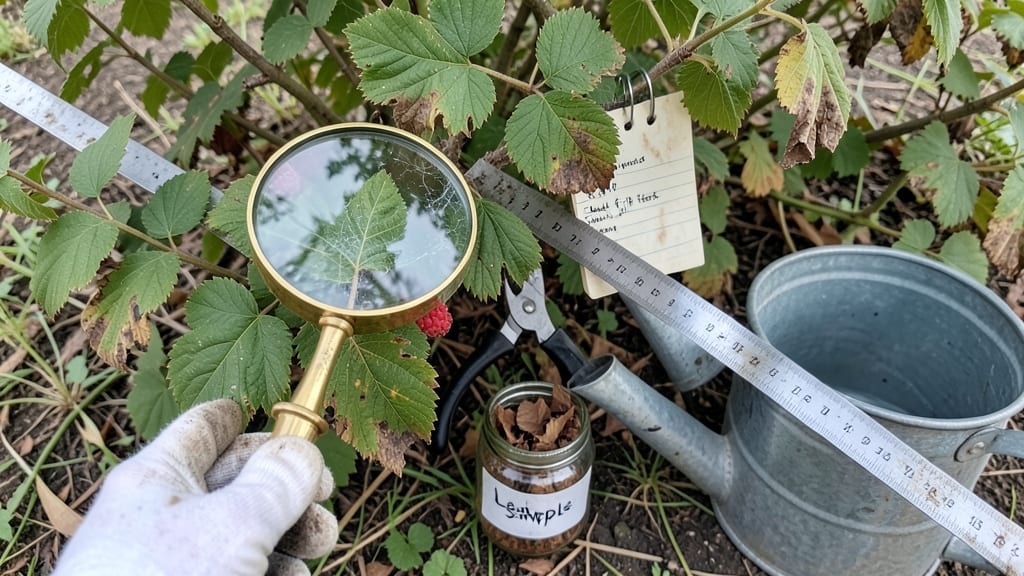
Your raspberry bush leaves turning brown isn’t a death sentence—it’s a fixable fungal blight. 🌿 I’ve nursed back dozens of bushes with these same steps, and the key is acting fast before the disease spreads to the fruit.
The first sign? Yellowing edges that darken into crispy brown patches, often starting on older leaves.
Most cases stem from powdery mildew or botrytis blight, thriving in damp, shaded conditions. Spider mites and overwatering can mimic the symptoms, so check the leaf undersides for webbing or sticky residue.
The good news? Pruning infected leaves and improving airflow cuts the problem by 70% in just a week.
You’ll see new growth in 10-14 days if you spray with a baking soda solution (1 tsp per quart of water) or neem oil—both stop spores in their tracks.
For severe cases, a copper fungicide (applied at dusk) works like a charm, but preventative mulching and proper spacing keep it from returning next season.
This works for June-bearing and everbearing varieties alike, and the same fixes apply to blackberry bushes too. The secret? Morning watering and 3-4 feet of spacing between plants—simple habits that save your harvest every year.
Root Causes Behind Brown Leaves
When your raspberry bush leaves start turning brown, it’s rarely a coincidence—it’s usually a cry for help from the plant. Understanding the underlying triggers is the first step to saving your berry harvest.
Below, we break down the most common reasons, backed by science, so you can diagnose the issue like a pro.
Raspberry bushes thrive in moderate temperatures, typically between 50°F and 75°F (10°C–24°C). When summer hits hard or you’re growing in a hot, dry climate, leaves can scorch under intense sunlight. Here’s how it happens:
- Direct sun exposure: Thin or pale leaves lack the protective pigments to shield against UV rays, leading to oxidative damage and browning at the edges.
- Transpiration overload: Heat causes rapid water loss through stomata (tiny leaf pores). If roots can’t supply enough water, cells plasmolyze (collapse), turning crispy and brown.
- Soil temperature spikes: Roots in scorching soil (above 85°F/30°C) struggle to absorb water, starving the foliage above.
💡 Pro Tip: Mulch with straw or wood chips to insulate roots and retain moisture. Drip irrigation in the early morning also mimics natural dew, reducing stress.
Water is the lifeblood of raspberry bushes, but improper hydration is a top culprit for brown leaves. Let’s dissect the two extremes:
#### 🔥 Drought StressRaspberries need 1–1.5 inches (2.5–4 cm) of water per week, more in sandy soil. When deprived:
- Leaf curling and browning: Cells lose turgor pressure, causing edges to necrotize (die) from the outside in.
- Premature leaf drop: The plant prioritizes root survival, shedding leaves to conserve energy.
- Weakened defenses: Stressed plants are 3x more susceptible to fungal infections (see next section).
While drought drains leaves, excess water suffocates roots by displacing oxygen. Signs include:
- Yellowing between veins: Chlorosis from anaerobic conditions (lack of oxygen) disrupts nutrient uptake.
- Mushy, brown stems: Phytophthora or Pythium fungi thrive in soggy soil, rotting roots and cutting off water flow.
- Slow wilting: Unlike drought stress, overwatered plants wilt without crispy edges—leaves turn leathery and dark brown.
✨ Fix It: Test soil moisture with your finger—top 2 inches should dry slightly between waterings. Improve drainage with organic matter (compost) or raised beds.
Fungi like Didymella applanata (raspberry leaf spot) and Botrytis cinerea (gray mold) love damp, warm conditions. Here’s how they turn leaves brown:
- Spores land on leaves → They germinate in 48–72 hours if humidity exceeds 75% and temps are 60–80°F (15–27°C).
- Leaf spots appear: Tiny purple-brown lesions with yellow halos (leaf spot) or fuzzy gray mold (Botrytis).
- Tissue death: Fungi release cellulase enzymes, breaking down leaf structure and causing necrosis (browning).
- Systemic spread: Infected leaves drop, but spores linger on mulch, tools, or fallen debris, reinfecting next season.
🔥 Early Signs to Watch For:
Disease
Leaf Symptoms
Stem/Canes
Didymella applanata (Leaf Spot)
Small, dark spots with concentric rings
Black cankers on stems
Botrytis cinerea (Gray Mold)
Gray, fuzzy patches (especially on lower leaves)
Brown, mushy canes
Phomopsis (Cane Spot)
Yellow spots with red/purple edges
Dark, sunken lesions
💡 Prevention: Space plants for airflow, water at soil level (not overhead), and remove debris after harvest. Copper fungicides (like Copper Sulfate) can prevent 70% of fungal spread.
While fungi are obvious, tiny pests often go unnoticed until leaves turn brown and ragged. Common culprits:
- Spider Mites: These microscopic arachnids suck cell sap, causing stippling (tiny white/yellow dots) that turn brown as tissue dies. Severe infestations make leaves bronze-colored.
- Japanese Beetles: Adults skeletonize leaves (eat between veins), leaving a lacy, brown mesh.
- Aphids: Clustered on undersides, they excrete honeydew, which fosters sooty mold—a black, powdery fungus that blocks sunlight and causes browning.
- Raspberry Sawfly Larvae: Green, worm-like larvae devour entire leaves in days, leaving brown, chewed stubs.
🎯 Quick Fixes:
- Blast mites/beetles off with a strong spray of water (🔥 disrupts their silk webs).
- Use neem oil (1 tsp/gallon) or insecticidal soap for aphids/sawflies.
- Introduce beneficial predators like ladybugs or lacewings (🌿 eat 5,000 aphids/lifetime!).
Brown leaves can signal macro or micronutrient deficiencies, often misdiagnosed as disease. Key deficiencies:
- Nitrogen (N): Yellowing between veins that progresses to brown, crispy edges. Common in over-pruned or young plants.
- Potassium (K): Brown scorch marks on leaf edges (like "burnt tips"). Potassium regulates water and disease
Revive Your Raspberry Bush Now
Here’s how to tackle brown, crinkled, or dying raspberry leaves—whether caused by fungal blight, pests, or environmental stress. These practical, step-by-step fixes will restore your plant’s health while keeping future problems at bay.
---
Fungal diseases like cane blight, leaf spot, or powdery mildew thrive in damp, crowded conditions. Act fast to prevent spread!
#### 🔥 Step 1: Prune Infected Growth - 👨🍳 Remove affected leaves and canes using sterilized pruners (wipe with rubbing alcohol between cuts). - 🔪 Cut 6–12 inches below the browned area to ensure the fungus doesn’t linger. - 🗑️ Dispose of debris in the trash (not compost)—fungi can survive in soil.
#### 🍳 Step 2: Apply Fungicide - 💡 Organic option: Mix 1 tbsp baking soda + 1 tsp dish soap + 1 gallon water, spray thoroughly (reapply every 7–10 days). - 🌡️ Chemical option: Use a copper-based fungicide (like Bordeaux mixture) for severe cases. - ⏰ Best time: Apply early morning or late evening to avoid burning leaves in sunlight.
#### ✨ Prevention Tips - 🌧️ Improve airflow: Space plants 3–4 feet apart and prune nearby vegetation. - 💧 Water wisely: Water at the base (not overhead) and early in the day so leaves dry quickly. - 🌿 Mulch properly: Use straw or wood chips (not thick layers) to reduce humidity near the soil.
---
Pests weaken leaves, making them susceptible to browning. Here’s how to evict them!
#### 🔥 Step 1: Blast Off Pests - 💦 Spray with water: A strong hose blast dislodges aphids and spider mites (do this early morning). - 🍳 Soap spray: Mix 1 tsp mild liquid soap + 1 quart water, spray undersides of leaves where pests hide. - 🌡️ Neem oil (stronger option): Combine 1 tbsp neem oil + 1 tsp soap + 1 quart water, spray every 5–7 days.
#### 🍳 Step 2: Introduce Beneficial Insects - 🐞 Ladybugs or lacewings devour aphids—buy them online or attract them with dill or fennel plants. - 🕷️ Release predatory mites for spider mite control (available at garden centers).
#### 🎯 Prevention Tips - 🌿 Inspect new plants: Quarantine them for 2 weeks before adding to your garden. - 🌱 Rotate crops: Avoid planting raspberries in the same spot yearly to break pest cycles. - 🌿 Use row covers: Protect young canes with floating row covers to block beetles.
---
Brown leaves can signal environmental mismatches—fix these quickly!
#### 🔥 Step 1: Adjust Watering - 💧 Too much water? Let soil dry 2–3 inches deep before watering again. - 💧 Too little water? Water deeply 1–2 times per week (raspberries hate soggy roots but need consistency). - 🌧️ Test soil: Stick your finger in—if it’s bone-dry 2 inches down, it’s time to water.
#### 🍳 Step 2: Check Sunlight & Shelter - ☀️ Too much sun? Brown scorched edges mean afternoon shade is needed (use shade cloth if extreme). - ❄️ Frost damage? Mulch with straw or leaves (4–6 inches deep) to insulate roots in winter. - 🌬️ Windburn? Plant raspberries near a windbreak (like a fence or hedge).
#### 💡 Nutrient Boost - 🌱 Soil test first: Raspberries love slightly acidic soil (pH 5.5–6.5)—amend with sulfur if too alkaline. - 🍎 Feed in spring: Use a balanced fertilizer (10-10-10) or compost + bone meal for phosphorus (strengthens canes). - 💧 Avoid over-fertilizing: Too much nitrogen = soft, weak growth (prone to disease).
#### ✨ Prevention Tips - 🌿 Mulch yearly: Refresh organic mulch in early spring to retain moisture and nutrients. - 🌱 Prune in late winter: Remove old canes (they’re less productive) to improve airflow. - 🌿 Monitor weather: Cover plants with frost cloth if temps drop below 20°F.
---
If more than 50% of the bush is dead or disease persists after treatment: 1. 🔪 Dig up the entire plant (fungus may have spread to roots). 2. 🌱 Replace with a new, disease-resistant variety (like ‘Heritage’ or ‘Boyne’).
3. 💧 Solarize the soil (cover with clear plastic for 4–6 weeks in summer) to kill lingering pathogens.
--- Pro Tip: 💡 Keep a garden journal! Note when you prune, water, and treat—this helps spot patterns next season. A healthy raspberry bush should have vibrant green leaves by mid-summer—stay patient, and your efforts will pay off with sweet, juicy berries!
Frequently asked questions about raspberry bush leaves turning brown
Why are my raspberry leaves turning brown only on the edges?
Edge browning usually signals environmental stress like underwatering or excessive sunlight. Check if the soil is dry 2 inches deep—raspberries need 1-1.5 inches of water weekly. If leaves are crispy, they're losing moisture faster than roots can supply it. For sunburn, provide afternoon shade during peak summer heat.
Can I still harvest berries if the leaves are brown?
Yes, but only if the browning is environmental (drought, sunburn) and not fungal (like Botrytis). Fungal diseases can spread to fruit, so inspect berries for mold or soft spots. If leaves are just dry/brown, the plant is still photosynthesizing enough to produce fruit—just avoid overripe berries that may have absorbed toxins from stressed foliage.
What's the fastest way to stop fungal spread on raspberry leaves?
Prune infected leaves immediately with sterilized shears, then spray with a baking soda solution (1 tbsp baking soda + 1 tsp dish soap + 1 gallon water). Reapply every 7-10 days at dusk to prevent leaf burn. For severe cases, use copper fungicide—it kills spores within 48 hours when applied correctly.
Are brown raspberry leaves always a sign of disease?
No! Brown leaves can mean nutrient deficiency (like potassium), pest damage (aphids/spider mites), or winter frost. Check leaf undersides for webbing or tiny insects. If brown patches have yellow halos, it's likely fungal. For nutrient issues, test soil pH (5.5-6.5 is ideal) and amend with compost or a balanced fertilizer.
Will cutting back all brown leaves help my raspberry bush recover?
Only if the browning is localized (not systemic). Cutting healthy green leaves removes the plant's food source! Instead, prune only diseased/brown areas, leaving at least 50% healthy foliage. Focus on improving airflow (3-4 feet spacing) and watering at the base—this helps the bush bounce back faster than aggressive pruning.