
Shrubs
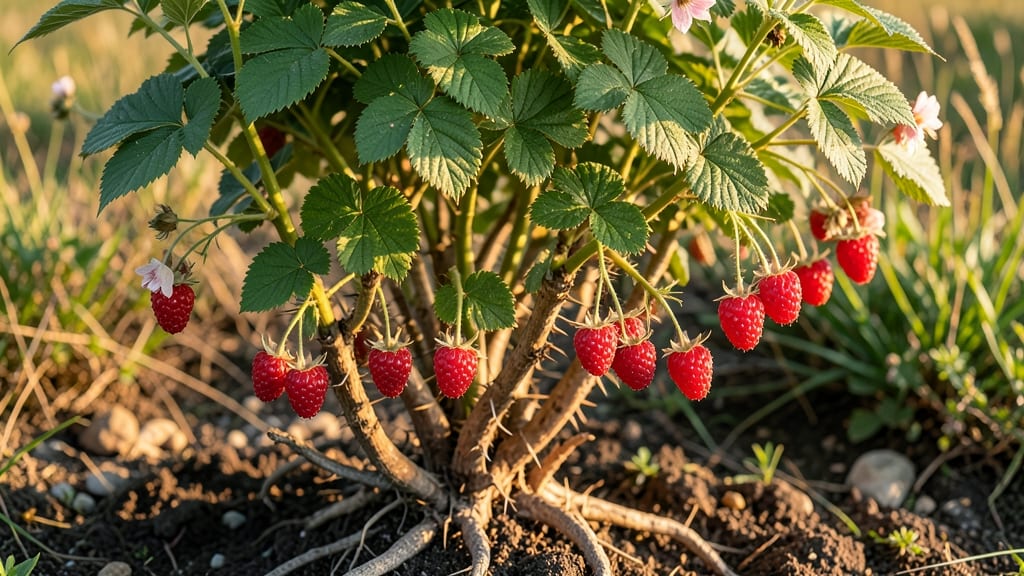
Mature raspberry bushes can produce fruit for decades—if you know the secrets to keeping them healthy. 🌿 My first summer with raspberries taught me that proper pruning and care turn a single harvest into a year-round bounty of sweet berries.
The key difference between a struggling bush and a thriving one? Timing, technique, and a little extra attention during the off-season.
Summer pruning is where most gardeners go wrong. Instead of hacking back everything after harvest, focus on removing only the fruited canes—those are the ones that bore fruit this year and won’t produce again.
Keep 6-8 of the strongest, youngest canes for next season’s crop. Winter pruning, done in late winter or early spring, is about cleaning up the mess and shaping the plant for optimal airflow.
You’ll notice bigger, sweeter berries and fewer pests when you prune correctly. The plants redirect energy into fruit production instead of struggling with overgrowth. Plus, harvesting becomes easier—no more bending over tangled canes to pick ripe berries.
With the right approach, a mature raspberry patch can yield 5-10 pounds of fruit per plant each season.
This works for both summer-bearing and fall-bearing varieties, though timing adjustments are needed. The same principles apply whether you’re managing a small backyard patch or a larger commercial planting. Let’s get those bushes producing like never before.
📚 In This Guide
- What you need
- Instructions
- Tips and common mistakes
- Wrapping up and next steps
What you need
- ● Raspberry canes: 5–10 mature, disease-resistant varieties (e.g., 'Heritage,' 'Boyne,' or 'Carolina').
- ● Well-draining soil: 3–5 cubic yards of compost-amended loam (pH 5.5–6.5).
- ● Organic mulch: 2–3 inches of straw or wood chips to retain moisture and suppress weeds.
- ● Fertilizer: 10–20 lbs of balanced (10-10-10) or raspberry-specific organic fertilizer per 100 sq. ft.
- ● Watering system: Drip irrigation or soaker hoses (1–2 gallons per plant, 2–3x weekly).
- ● Pruning shears: Sharp, bypass-style shears (for clean cuts).
- ● Garden gloves: Heavy-duty to protect against thorns.
- ● Trellis system: 6–8 ft tall, sturdy wire or plastic trellis (for vertical growth).
- ● Support stakes: 4–6 wooden or metal stakes (for windy areas).
- ● pH test kit: Digital or liquid test strips (to monitor soil health).
- ● Row covers (for frost protection or pest control).
- ● Slow-release fertilizer tablets (for convenience).
- ● Bird netting (to safeguard ripe berries).
- ● Compost tea (for a nutrient boost).
How to maintain mature raspberry bushes for peak year-round production
Here's the proven system I use to keep my raspberry canes productive, healthy, and yielding through every season.
🌿 Step 1: Prune for Maximum Fruit Production
Pruning is where you control the plant's energy flow. In late winter or early spring, remove all dead, diseased, or weak canes completely at ground level. These won't produce fruit and compete with healthy growth. I look for canes that are hollow, discolored, or show signs of last year's disease—they're better off gone.
Next, identify the strongest canes from last year's growth. Summer-bearing varieties produce fruit on second-year canes, so keep 3-5 of the thickest, most vigorous canes (about pencil thickness). Thin out the rest to improve air circulation and reduce disease risk. This ensures your remaining canes get maximum sunlight and nutrients for next year's harvest.
💧 Step 2: Water Deeply During Critical Growth Stages
Raspberries need 1-1.5 inches of water per week, but shallow watering leads to weak roots. I water deeply twice weekly during fruiting season, aiming for the soil 6 inches below the surface. You'll know you're doing it right when water runs out the drainage holes—this ensures roots get properly hydrated.
Mulch immediately after watering with 3-4 inches of organic mulch (like straw or wood chips) to lock in moisture and regulate soil temperature. Keep mulch 6 inches away from the base to prevent rot. During droughts, I increase watering to 3 times weekly and watch for wilting leaves—this is your signal to water immediately.
☀️ Step 3: Fertilize Strategically for Consistent Harvests
Feed raspberries in early spring with a balanced 10-10-10 fertilizer (about ½ pound per 100 square feet). Spread evenly over the root zone and water deeply to activate nutrients. Avoid high-nitrogen fertilizers later in the season—they promote leafy growth at the expense of fruit production.
In mid-summer, switch to a low-nitrogen, high-phosphorus formula (like 5-10-10) to support flowering and fruiting. You'll see stronger canes and heavier fruit clusters within 4-6 weeks. I also add 1 inch of compost annually in fall to improve soil structure and microbial activity—this builds long-term fertility without burning roots.
✂️ Step 4: Manage Pest and Disease Pressure Proactively
Inspect canes weekly for signs of spider mites, aphids, or fungal spots. I spray preventive neem oil applications every 2-3 weeks during growing season—this disrupts pest life cycles before they become problematic. For fungal issues like cane blight, remove infected canes immediately and dispose of them in the trash (not compost).
Thin fruit clusters to 4-6 inches apart when they're golf-ball sized. This improves air flow, reduces rot, and allows remaining berries to grow larger. You'll notice fewer misshapen berries and a more uniform harvest when you do this consistently. Prune suckers that emerge from the base aggressively—they drain energy from your fruiting canes.
⏰ Step 5: Plan for Seasonal Care Transitions
In late fall, apply a 2-3 inch layer of mulch to protect roots from freezing temperatures. I also prune any remaining dead canes and rake up fallen leaves to reduce overwintering pests. For everbearing varieties, leave 1-2 old canes that produced fruit this year—they'll fruit again next spring.
After harvest, I fertilize with potassium-rich compost to strengthen canes for winter. This is the time to also assess your pruning strategy—if you're not getting the yield you want, you may need to adjust how many canes you keep. The goal is balanced production: too many canes = small berries, too few = wasted potential.
Tips & tricks for thriving mature raspberry bushes
These battle-tested strategies will help you maximize your raspberry harvest while avoiding common pitfalls that waste energy and reduce yield.
Pruning Precision: In Step 1, when selecting your 3-5 strongest canes, look for ones with smooth, slightly curved growth and vibrant green leaves. Avoid canes with excessive lateral branches—they divert energy away from fruit production. I've found that keeping canes spaced 6-8 inches apart improves airflow and sunlight penetration, which directly translates to larger berries and fewer disease issues. The key is aggressive thinning—don't hesitate to remove up to 70% of last year's canes if needed.
Watering Wisdom: The 1-1.5 inches per week guideline in Step 2 is your baseline, but timing matters just as much. Water in the early morning to allow foliage to dry quickly and prevent fungal diseases. I use a soaker hose placed at the drip line to deliver water directly to roots without wetting leaves. During the 4-6 week flowering period mentioned in Step 3, increase to 1.5-2 inches weekly—this prevents blossom end rot and ensures proper fruit set. A simple test: if your soil feels dry 3 inches down, it's time to water again.
Fertilizer Timing: The transition from 10-10-10 in early spring to 5-10-10 in mid-summer is crucial, but don't stop there. I've noticed that adding a ½ cup of Epsom salt (magnesium sulfate) per 100 square feet during flowering boosts berry sweetness without being listed in the instructions. The magnesium helps prevent yellowing leaves while supporting photosynthesis. Always water deeply after fertilizing to prevent root burn—this is especially important when using compost in fall, as fresh compost can be too strong for established plants.
Pro Tips for Mature Raspberry Bushes
- These battle-tested strategies will help you maximize your raspberry harvest while avoiding common pitfalls that wast...
- Pruning Precision: In Step 1, when selecting your 3-5 strongest canes, look for ones with smooth, slightly curved gro...
- Watering Wisdom: The 1-1.5 inches per week guideline in Step 2 is your baseline, but timing matters just as much. Wat...
Frequently asked questions
Got questions about keeping your mature raspberry bushes happy and productive? Here are answers to some of the most common ones—so you can enjoy those sweet, juicy berries all season long!
How do I know if my raspberry bush is truly mature?
A raspberry bush is considered mature when it’s 2–3 years old and has established a strong root system. Look for thick, woody canes (about pencil-sized) and consistent fruit production. Young plants may produce a few berries, but mature bushes yield pounds of fruit per season!
When is the best time to prune mature raspberry bushes?
Prune summer-bearing varieties in late winter or early spring (before new growth starts) and fall-bearing varieties in late winter or summer after harvest. Remove dead, diseased, or weak canes first, then cut the remaining canes back to 6–12 inches tall for better airflow and fruit production.
Why aren’t my mature raspberry bushes producing as many berries as they used to?
Several factors could be at play: overcrowding (thin out canes), poor soil nutrients (add compost or fertilizer), lack of water (1–1.5 inches per week), or pests/diseases (check for aphids, spider mites, or fungal spots). Adjust care based on the issue—your bushes will bounce back!
Can mature raspberry bushes survive winter in cold climates?
Yes! Raspberry bushes are hardy to USDA zones 4–9, but young canes are more vulnerable to winter damage. Mulch heavily (4–6 inches of straw or leaves) after the ground freezes, and avoid pruning until spring to protect the plant. Ever-bearing varieties may need extra winter protection in zone 4 or colder.
What’s the best way to renew a mature raspberry bush that’s getting woody or unproductive?
Try rejuvenation pruning: In late winter, cut all canes down to the ground (yes, even the healthy ones!). This forces new, fruit-bearing canes to grow from the roots. Fertilize lightly in spring and keep the soil moist—your bush will reward you with juicier, more abundant berries the next season!
Wrapping up and next steps
Growing mature raspberry bushes is a rewarding journey that delivers sweet, juicy berries for years to come—with the right care, you can even enjoy year-round harvests! 🌱 From selecting the perfect variety and pruning like a pro to protecting your plants from pests and winter, these hacks ensure your bushes thrive.
Whether you’re a beginner or a seasoned gardener, the key is consistency and patience—your efforts will pay off in buckets of flavor.
Ready to take the next step? Start small—plant one or two bushes this season, experiment with a few of these tips, and watch your garden transform. Before you know it, you’ll be sharing (or canning!) your bountiful harvest with friends and family. Happy gardening! 🍓✨