
Pests
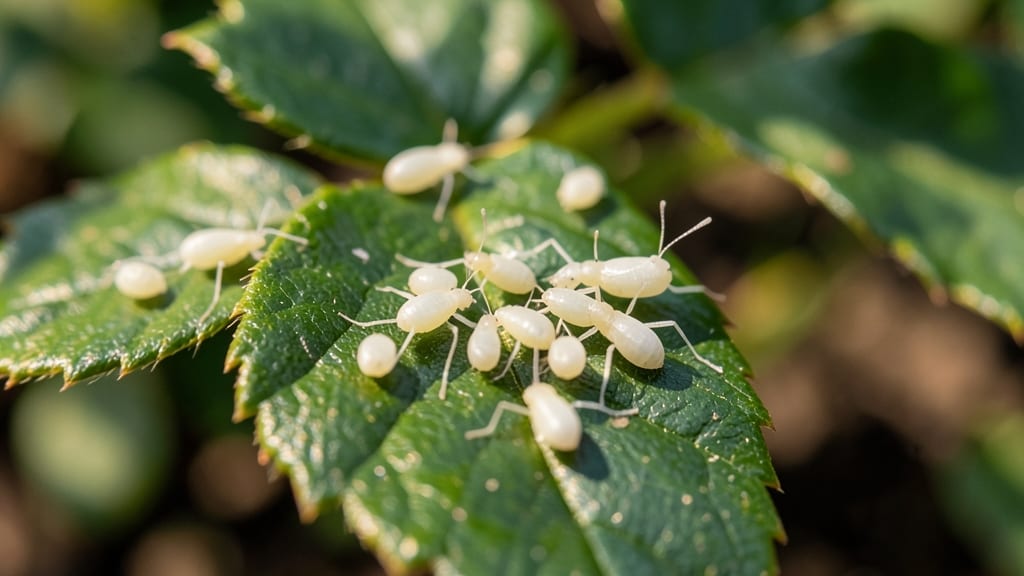
Those tiny white bugs on your rose bushes are likely aphids, mealybugs, or whiteflies—tiny but mighty plant vampires that can turn lush blooms into sticky, curled messes. 🌿 I’ve battled them for years, and the key is acting fast before they drain your roses of sap and invite fungal infections.
These pests thrive in new growth, so if you spot clusters on buds or under leaves, you’re already in the early stages of an infestation.
The damage starts small—sticky residue (honeydew) on leaves, yellowing foliage, and weak stems—but if left unchecked, it escalates to black sooty mold and stunted blooms. The good news? Organic solutions like neem oil, insecticidal soap, or introducing ladybugs can eliminate them without harming your roses or the ecosystem.
I’ve had the best luck with a homemade spray of water, dish soap, and a drop of neem oil, applied every 3-4 days until the bugs disappear.
By the time you finish treating, your roses will bounce back with vibrant green leaves and fresh buds—no more sticky messes or wilted stems. The secret is consistency: check for pests weekly during growing season, and prune affected areas immediately to stop the spread.
Prevention is easier than cleanup, so keep your garden healthy with balanced fertilization and companion plants like marigolds or garlic, which naturally repel these pests.
If the infestation persists after two weeks of treatment or spreads to other plants, it’s time to call in a pro. Heavy cases might need stronger interventions, but in my experience, most gardeners can tackle this with simple, organic methods—no chemicals required. Let’s get those roses thriving again!
Hidden Invaders Triggering Rose Infestations
Those tiny white bugs on your rose bushes aren’t just a random annoyance—they’re often a sign of deeper ecological imbalances in your garden. Understanding the root causes helps you address the problem at its source rather than just treating symptoms.
Let’s break down the most common reasons these pests appear, backed by science and practical insights.
When rose bushes are too close together or struggling with poor health, they become prime targets for pests like aphids, mealybugs, or whiteflies. Here’s why:
- Reduced Resilience: Stressed plants produce less sap (their natural pest-repellent), making them easier pickings. Weak growth often results from overwatering, nutrient deficiencies, or compaction in the soil.
- Moisture Traps: Dense foliage holds humidity, creating the perfect breeding ground for soft-bodied insects. Aphids, for example, thrive in 60–80% humidity—common in overcrowded gardens.
- Root Competition: Overplanted roses compete for water and nutrients, weakening their immune response. This forces them to divert energy from pest resistance to survival.
💡 Pro Tip: Prune roses to improve airflow (aim for one-third open space between branches) and space new plants 3–4 feet apart to reduce stress.
Roses produce high-sugar sap, a natural magnet for sap-sucking insects. But why do these bugs suddenly swarm?
- New Growth Phases: Young, tender leaves and buds are richer in sugars (up to 20% more than mature foliage), making them a buffet for aphids and whiteflies.
- Hormonal Changes: Roses under stress (e.g., drought or transplant shock) produce more sugars as a survival mechanism, inadvertently signaling pests to feast.
- Ant Farming Effect: Some ants herd aphids in exchange for honeydew (their sugary waste). If you spot ants on your roses, they’re likely protecting a hidden aphid colony.
🔥 Action Step: Remove succulent new growth in early spring to starve pests before they establish. Use neem oil (a natural sap disruptor) to deter feeding.
Temperature and rainfall play a huge role in pest outbreaks. Here’s how:
| Condition | Impact on Pests | Why It Happens |
|---|---|---|
| 🌞 Warm Springs | Explosive aphid/whitefly reproduction | Many species double their population every 7–10 days in 65–85°F temps. |
| 🌧️ Heavy Rain Followed by Sun | Mealybug/scale outbreaks | Rain washes off natural predators (like ladybugs), while sun dries out foliage, stressing the plant and making it more vulnerable. |
| 🌪️ Wind or Drought | Spread of pests to healthy plants | Wind carries aphid-infested leaves or eggs to new hosts, while drought weakens roses’ defenses. |
✨ Prevention Hack: Use row covers in early spring to block winged pests. Mulch heavily to retain moisture and reduce drought stress.
Healthy gardens have a balance of predators that keep pests in check. When this balance tips, tiny white bugs take over. Common disruptors:
- Pesticide Overuse: Chemicals like neonicotinoids kill beneficial insects (e.g., ladybugs, lacewings, and parasitic wasps) faster than pests, creating a vacuum effect.
- Monoculture Gardening: Planting only roses (or similar plants) removes diverse habitats for predator species.
- Habitat Destruction: Removing weeds, leaf litter, or wildflowers eliminates shelter for natural enemies.
🌿 Eco-Friendly Fix: Introduce predator-friendly plants like dill, fennel, or yarrow. Avoid broad-spectrum sprays—opt for pyrethrin-based or soap sprays instead.
By addressing these root causes—plant stress, sugary sap, weather, and lost predators—you’ll disrupt the cycle that invites tiny white bugs in the first place. The key is proactive care, not just reactive sprays!
Natural Ways to Banish Tiny White Pests
Now that you’ve identified the culprits—likely aphids, mealybugs, or whiteflies—it’s time to reclaim your rose bushes without harsh chemicals. Below are targeted, organic solutions tailored to each pest type, along with proactive steps to keep them from returning.
---
Aphids are soft-bodied and reproduce rapidly, but they’re also easy to squash or deter with natural enemies.
#### 🍳 Immediate Removal (Manual Control) - Step 1: Fill a bucket with soapy water (1 tsp mild dish soap per gallon of water). - 👨🍳 Step 2: Use a spray bottle or hose to drench infested leaves and stems.
The soap breaks their protective coating, causing them to dehydrate. - ⏰ Step 3: Repeat every 3–5 days until no more aphids appear.
#### 🌿 Encourage Natural Predators - Ladybugs, lacewings, and parasitic wasps love aphids. Plant dill, fennel, or marigolds nearby to attract them. - 💡 Pro Tip: Avoid broad-spectrum pesticides—they kill beneficial insects too!
#### 🌡️ Prevent Regrowth - Prune heavily infested branches and dispose of them in sealed bags (not compost). - 🎯 Spray neem oil (1 tsp per quart of water + a drop of soap) weekly as a deterrent.
---
Mealybugs hide in crevices, leaving behind a cottony residue. They’re stubborn but vulnerable to physical removal.
#### 🔪 Mechanical Removal - Step 1: Dampen a cotton swab with rubbing alcohol (70% isopropyl). - 👨🍳 Step 2: Gently scrub each mealybug colony, focusing on buds and leaf undersides. - ⏰ Step 3: Wipe down stems with a soapy cloth to remove sticky residue (honeydew).
#### 🌿 Organic Sprays for Stubborn Cases - Neem oil spray (apply at dusk to avoid harming bees). - 💡 Pro Tip: Repeat treatments every 5–7 days for 2–3 weeks to catch new hatchlings.
#### 🌡️ Long-Term Defense - Introduce predatory beetles (like Cryptolaemus montrouzieri) if infestations persist. - 🎯 Mulch with diatomaceous earth (food-grade) around the base of plants—it dehydrates bugs on contact.
---
Whiteflies swarm when disturbed and thrive in warm, humid conditions. Disrupt their lifecycle with these tactics.
#### 🕷️ Sticky Traps and Yellow Cards - Step 1: Hang yellow sticky traps near the bushes—whiteflies are attracted to the color. - 👨🍳 Step 2: Place traps above the foliage to catch adults before they lay eggs. - ⏰ Step 3: Check traps daily and replace when saturated.
#### 💦 Water Blasts and Soap Sprays - 🔥 Knock them off with a strong stream of water from a hose (early morning works best). - 🥘 Follow up with insecticidal soap (1.5 tbsp per gallon of water) every 4–5 days.
#### 🌡️ Break Their Cycle - 💡 Pro Tip: Reflective mulch (aluminum foil or silver plastic) confuses them and reduces egg-laying. - 🎯 Avoid over-fertilizing—whiteflies love soft, nutrient-rich growth.
---
No matter the pest, these habits keep roses healthy and resilient: - 💡 Inspect new plants before bringing them home (quarantine for 2 weeks if possible). - 🌡️ Encourage airflow—thin out dense foliage to reduce hiding spots. - 🎯 Rotate organic sprays (neem, soap, horticultural oil) to prevent resistance. - 🔥 Keep weeds trimmed—they harbor pests and diseases.
--- 🚀 Ready to act? Start with manual removal for small infestations, then layer in natural predators and sprays for lasting control. Your roses will thank you with vibrant blooms—and zero tiny white invaders!
Frequently asked questions
What are the most common tiny white bugs on rose bushes?
The most likely culprits are aphids, mealybugs, or whiteflies. Aphids appear as tiny clusters on new growth, mealybugs leave cottony residue in crevices, and whiteflies swarm when disturbed. Check leaf undersides and buds first—these are their favorite hiding spots.
How do I tell if these bugs are harming my roses?
Watch for sticky honeydew residue on leaves, yellowing foliage, or curled new growth. Heavy infestations cause black sooty mold (a fuzzy black fungus) and weak stems. If you see ants on your roses, they’re likely "farming" aphids for their honeydew—another red flag.
Can I use vinegar to kill these tiny white bugs?
Neat vinegar (undiluted) can kill some soft-bodied pests like aphids on contact, but it’s too harsh for regular use. For a safer spray, mix 1 part white vinegar with 3 parts water and add a drop of dish soap. Spray in early morning to avoid burning leaves—repeat every 3-4 days until pests disappear.
Will ladybugs actually eat my rose pests?
Ladybugs, lacewings, and parasitic wasps are natural predators that devour aphids, mealybugs, and whiteflies. Buy them online or attract them by planting dill, fennel, or marigolds nearby. Avoid pesticides—they’ll kill these helpful bugs too!
How long does it take to eliminate an infestation?
With consistent treatment (every 3-5 days), most small infestations clear up in 2-3 weeks. Stubborn cases (like mealybugs) may take 4-6 weeks of repeated applications. Start with manual removal for immediate results, then maintain with organic sprays or predator introductions.