
Shrubs
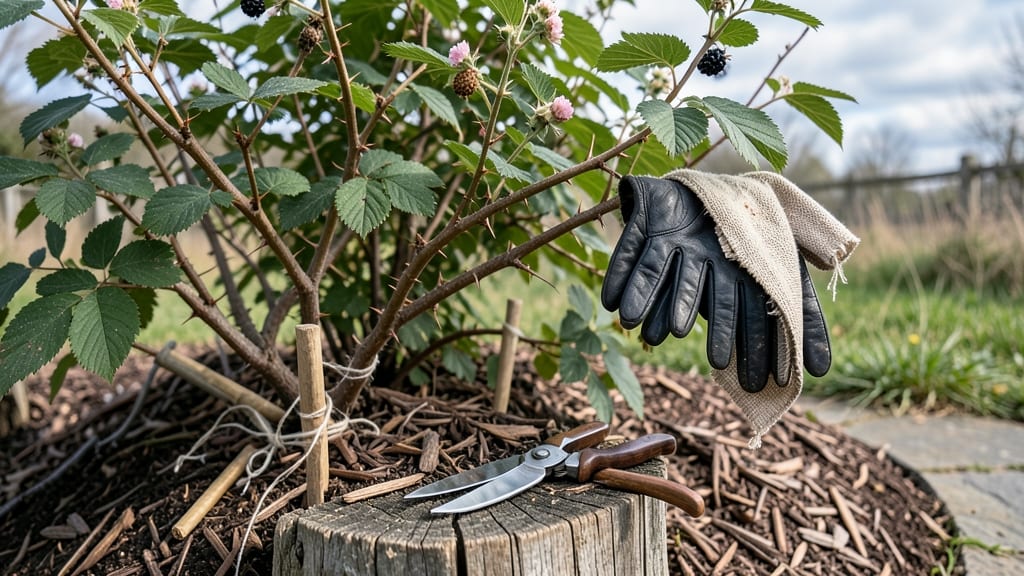
Winterizing blackberry bushes starts with a single cut that determines next year's harvest. ✂️ I've learned the hard way that skipping this step means leggy canes, fewer berries, and plants struggling to bounce back from winter's chill—especially in zones 5-7 where frost lingers.
The right pruning and protection framework turns winter from a threat into a setup for a bigger, healthier crop by summer.
First, you'll need sharp pruners, a tarp for wind protection, and 3-4 inches of straw or wood chips for mulching. The goal is simple: remove dead or weak canes, shape the plant for airflow, and shield the roots from freezing.
I've seen blackberries recover from -15°F with this method—though younger plants in colder zones need extra care. The key is timing: wait until late fall after the first hard frost but before the ground freezes solid.
What you end up with is a bush that looks like a well-oiled machine come spring—thick canes, vibrant new growth, and the promise of juicy berries by July. The mulch keeps roots insulated, the tarp blocks drying winds, and the pruning focuses energy where it counts.
Most importantly, you'll avoid the heartbreak of plants that look dead in spring but are actually just taking a nap.
This works for thornless varieties too, and the same principles apply whether you're in the Pacific Northwest's rainy winters or the deep South's occasional freezes. The only real mistake?
Waiting until after the ground freezes—then you're stuck with damaged canes and a weaker plant. Let's get those bushes ready for winter.
📚 In This Guide
- What you need
- Instructions
- Tips and common mistakes
- Wrapping up and next steps
What you need
- ● Pruning shears or loppers – Sharp, clean tools to trim dead canes (avoid rusty blades!)
- ● Heavy-duty gloves – Thick, cut-resistant gloves for safe handling of thorny canes.
- ● Mulch (straw, pine needles, or wood chips) – 4–6 inches deep to insulate roots (avoid fresh wood chips if possible).
- ● Burlap or landscape fabric – 10–12 feet per bush to wrap canes (breathable but protective!).
- ● Twine or zip ties – To secure wrapping materials tightly around canes.
- ● Garden hose or sprinkler – For a final deep watering before winter (1–2 inches of water).
- ● Frost cloth or row covers – Extra layer for ultra-cold climates (below 0°F).
- ● Potting soil or compost – To top-dress roots if soil is poor or sandy.
- ● Anti-desiccant spray – Protects leaves from drying in harsh winds.
- ● Stakes or trellis supports – If canes need extra structural support after pruning.
Step-by-Step guide to winterizing blackberry bushes
Here's my foolproof method to protect your blackberries through winter and set them up for stronger growth next season.
🪴 Step 1: Prune to Improve Airflow and Shape
Start by removing any dead, diseased, or weak canes using clean, sharp pruners. I always cut at a 45-degree angle just above a bud to encourage healthy regrowth. This isn't just about tidying up—it's about creating a framework that lets air circulate freely, which prevents fungal diseases like botrytis that thrive in damp winter conditions.
Next, thin the canes so they're 6-8 inches apart—this prevents overcrowding, which leads to weak, spindly growth. I like to keep about 4-5 of the strongest canes per plant, as these will produce the best fruit next year. Remove any canes that are smaller than a pencil in diameter, as they won't bear well. Here's the thing—if you prune now, you'll see fewer canes this year, but next season's harvest will be bigger and healthier.
🌿 Step 2: Apply a Layer of Mulch for Insulation
Spread a 3-4 inch layer of organic mulch—like straw or shredded leaves—around the base of the bushes, but keep it 6 inches away from the stems to prevent rot. This layer acts like a blanket, protecting the roots from extreme temperature swings and retaining moisture. I always use straw because it breaks down slowly and adds organic matter to the soil as it decomposes.
Don't skip this step, even if your blackberries are cold-hardy varieties. The roots are the most vulnerable part of the plant in winter, and mulch is your first line of defense against freeze-thaw cycles that can heave the soil and damage roots. You'll see the mulch settle over time, so add a little more if it looks thin by early spring.
☀️ Step 3: Protect Canes from Frost and Wind
Once temperatures drop below 20°F, it's time to bundle the canes together. I tie them loosely with soft twine or raffia, leaving some space between canes so air can still circulate. This keeps them upright and prevents them from snapping under heavy snow or ice. If you're in a particularly windy area, consider wrapping the bundled canes with burlap or frost cloth to add an extra layer of protection.
For extra insulation, I sometimes mound a 6-8 inch layer of soil or mulch around the base of the plant, creating a small hill that covers the lower half of the canes. This is especially helpful in regions with Zone 5 or colder winters, where blackberries can struggle without this added protection. Just remember to remove the mound in early spring before new growth starts.
⏰ Step 4: Monitor and Adjust Through Winter
Check your bushes every 2-3 weeks during winter to ensure the mulch hasn't shifted or compacted. If it looks thin or has washed away, add more to maintain that 3-4 inch layer. Also, keep an eye out for rodents—mice and voles love to nest in mulch, and they can gnaw on the canes. If you see signs of them, scatter grapefruit halves or peppermint oil-soaked cotton balls around the base as a natural deterrent.
If you're expecting a hard freeze (below 10°F), give your bushes a little extra protection by covering them with frost cloth or a thick blanket for the duration. Just make sure to secure it tightly so it doesn't blow away, and remove it as soon as temperatures rise. You'll know you're doing it right if the canes stay firm and upright come spring—no flopping or broken stems.
Tips & tricks for winterizing blackberry bushes
A few simple adjustments can make all the difference between blackberries that survive winter and ones that thrive next season.
Pruning Precision: When you're thinning canes in Step 1, look for ones that grow outward from the center—these are your keepers. The 6-8 inch spacing isn't just about aesthetics; it creates that crucial airflow that prevents fungal diseases. I've seen botrytis completely wipe out unpruned bushes in damp winters. Pro tip: Make your cuts just above a bud that faces outward from the center—this encourages new growth in the right direction for next year's harvest.
Mulch Selection Matters: While straw works beautifully, don't overlook leaf mold as an alternative mulch option. It breaks down more slowly and provides excellent insulation. The key is maintaining that 3-4 inch layer right up to early spring—this protects roots from temperature swings that can damage them. I've had bushes where the mulch settled too much, leaving roots exposed, so I always add a little more when I check them every 2-3 weeks during winter.
Bundle Smartly: When temperatures drop below 20°F in Step 3, your bundling technique matters more than you might think. Use soft twine or raffia that won't cut into the canes, and leave space between them for airflow. I've seen people tie canes too tightly, which can actually create pressure points that freeze. The goal is to keep them upright without restricting circulation—think of it like wrapping a gift without squishing it.
Rodent Defense Strategy: The grapefruit halves and peppermint oil tip in Step 4 works wonders, but here's what nobody tells you—place them strategically around the base, not just randomly. Mice and voles follow scent trails, so create a barrier about 12 inches out from the stems. I've had to rebuild entire sections of bushes after winter because rodents chewed through canes. Trust me on this: a little prevention goes a long way.
Pro Tips for Winterizing Blackberry Bushes
- A few simple adjustments can make all the difference between blackberries that survive winter and ones that thrive next season.
- Pruning Precision: When you're thinning canes in Step 1, look for ones that grow outward from the center—these are your keepers.
- Mulch Selection Matters: While straw works beautifully, don't overlook leaf mold as an alternative mulch option.
Frequently asked questions
Got questions about winterizing your blackberry bushes? You’re not alone—proper prep can make all the difference for next year’s harvest! Here are some of the most common concerns and quick answers to set you up for success.
When is the best time to winterize blackberry bushes?
Start winterizing once temperatures consistently drop below 40°F (4°C)—typically late fall (October–November) in most regions. For everbearing varieties, prune and mulch after the first frost to protect tender canes. Pro tip: If winter arrives early, act fast to avoid frost damage!
How much mulch should I use, and what type is best?
Apply 3–4 inches of organic mulch (straw, wood chips, or shredded leaves) around the base, keeping it 6 inches away from the crown to prevent rot. Avoid fresh pine bark or sawdust—they can acidify the soil. Bonus: Mulch also suppresses weeds and retains moisture!
Should I prune blackberry bushes before winter?
Yes! Prune after the first hard frost (or in early spring) to remove dead, weak, or crossing canes. For primocanes (new growth), cut back to the ground; for floricanes (fruit-bearing canes), trim just above the bud. Warning: Avoid heavy pruning in late fall—it stresses the plant before dormancy.
Can I skip winterizing if my blackberries are cold-hardy?
Even cold-hardy varieties (like Cheyenne or Arapaho) benefit from winterizing! Mulch and pruning reduce stress and improve next year’s yield. Skip only if you’re in a Zone 6 or higher with mild winters—but don’t take chances with young plants!
How do I protect blackberries from rodents or pests during winter?
Wrap the base of canes with hardware cloth (1/4-inch mesh) to deter voles and mice. For birds, use netting if berries linger. Prevention tip: Keep the area tidy—remove fallen leaves and debris where pests hide!
Wrapping up and next steps
Winterizing your blackberry bushes is the gift that keeps on giving—a small effort now means a bountiful harvest next summer! By pruning, mulching, and protecting them from harsh cold, you’re setting the stage for healthier, more productive plants.
Think of it as giving your bushes a cozy blanket and a fresh start for the growing season ahead.
Ready to take action? Grab your tools and get started—your future blackberry pies (and your plants!) will thank you. Happy winterizing! 🍇❄️