
Pruning
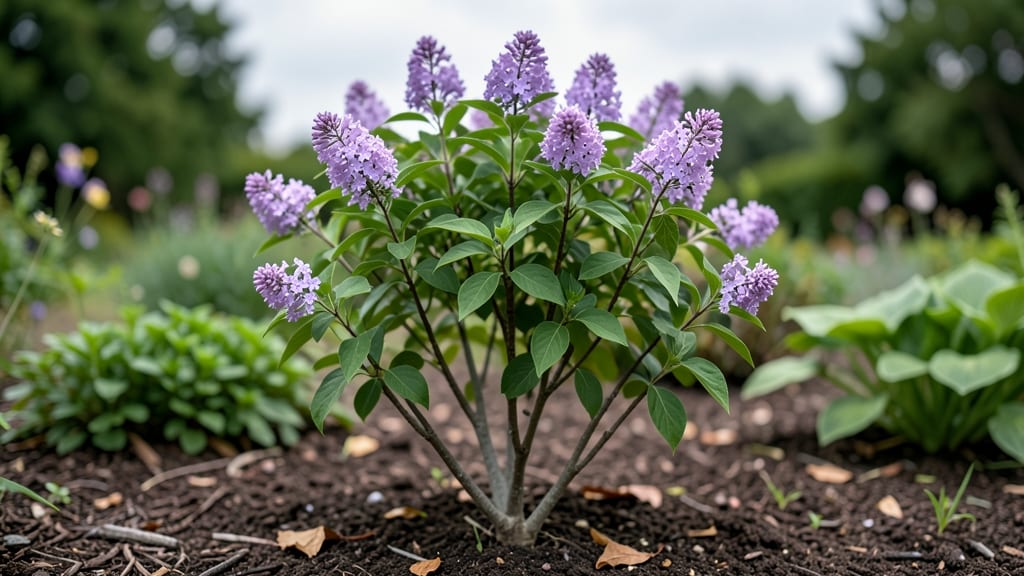
Your young lilac bush could be smothering your yard in fragrance by next spring—if you prune it right. ✂️ I’ve watched lilacs go from scraggly to showstopping in just two seasons by mastering the when and how of cuts, and the secret isn’t complicated: timing is everything.
The first year after planting, skip pruning entirely—let those branches grow strong. After that, one annual trim in late summer (after blooming) keeps the shape neat and encourages next year’s flowers.
I’ve seen gardeners over-prune, turning lush bushes into sad stumps, but the right cuts guarantee vibrant blooms for decades. You’ll know you’re doing it right when new shoots emerge in spring, thicker and more abundant than before.
The fragrance alone—sweet, intoxicating—makes the effort worth it, and the bush becomes a magnet for pollinators. Works for all lilac varieties, from French hybrids to native species. Here’s how to get it perfect every season.
📚 In This Guide
- What you need
- Instructions
- Tips and common mistakes
- Wrapping up and next steps
What you need
- ● Pruning shears or loppers: Sharp, bypass-style shears (for small branches) or loppers (for thicker stems). Disinfect with rubbing alcohol before and after use to prevent disease spread.
- ○ Gloves: Heavy-duty gardening gloves (protect against thorns and sap). Optional: Pruning gloves with reinforced palms for extra grip.
- ● Pruning saw: Only if needed for stubborn, thick branches (avoid on young lilacs—usually not required!).
- ● Garden twine or rubber bands: For temporarily securing branches during pruning (if needed for large cuts).
- ● Rake or broom: To clean up fallen debris and clippings afterward.
- ● Hand pruners with a bypass blade: For precision cuts on delicate stems.
- ● Lilac fertilizer: Balanced, low-nitrogen fertilizer (e.g., 10-10-10) to apply post-pruning for a boost.
- ● Mulch: Organic mulch (e.g., shredded bark) to retain moisture and protect roots.
- ● Plant marker or spray paint: To mark branches for removal (great for first-timers!).
- ● Disinfectant spray: Hydrogen peroxide (3%) or rubbing alcohol for sterilizing tools between cuts.
- ● Know your lilac’s age: Young lilacs (under 3 years old) need minimal pruning—focus on shaping, not heavy cuts!
- ● Check the season: Prune right after flowering (late spring/early summer) for best results.
- ● Weather window: Choose a dry, overcast day to avoid stressing the plant.
- ● Safety first: Wear eye protection if your lilac is thorny or overgrown.
Step-by-step guide to pruning a young lilac bush
Here's the seasonal approach I've used to keep my lilacs blooming abundantly for over a decade.
⏰ Step 1: Understand the Three Key Pruning Windows
Lilacs bloom on last year's growth, so timing matters. First, prune immediately after flowering in late spring to remove spent blooms and shape the bush. Next, do a light cleanup in early summer to remove any dead or crossing branches. Finally, perform a winter pruning in late fall or early winter to maintain the bush's shape and encourage strong new growth.
Real talk: If you miss the spring pruning, don't panic. Lilacs are forgiving, but you'll sacrifice some of that year's blooms. The key is to never prune in fall after the buds have set—they won't bloom the following spring.
✂️ Step 2: Remove Dead, Weak, or Crossing Branches Year-Round
Start by inspecting your lilac for any branches that are dead, diseased, or rubbing against each other. Use sharp, clean pruners to make cuts at a 45-degree angle, about ¼ inch above a healthy bud. This encourages outward growth and prevents the bush from becoming too dense.
I always prune out crossing branches first—they compete for nutrients and create weak spots where pests can enter. If a branch is larger than ½ inch in diameter, make the cut just outside the branch collar to avoid damaging the main trunk.
🌿 Step 3: Shape the Bush After Flowering in Late Spring
After your lilac finishes blooming, prune back any branches that have already flowered by about ⅓ of their length. This encourages next year's blooms to form on new growth. Avoid cutting into old wood—you'll know it by its thicker, darker bark and lack of new buds.
Step back and look at the overall shape. Lilacs naturally grow in a rounded form, so aim to maintain that silhouette. If the bush is getting too wide, focus on thinning out branches from the center to improve airflow and reduce disease risk.
⏰ Step 4: Perform Light Maintenance in Early Summer
In early summer, do a quick check for any new branches that have grown in awkward directions or are crowding the center. Prune these back to a healthy bud, but keep cuts minimal—you don't want to remove too much growth too late in the season.
This is also the time to watch for any suckers growing from the base of the plant. Remove these immediately—they drain energy from your main lilac bush. Use your pruners to cut them off at the base, making sure to get all of the root system.
❄️ Step 5: Do a Final Shape-Up in Late Fall or Early Winter
Once the leaves have fallen and the plant is dormant, give your lilac one last trim to clean up any remaining debris and refine its shape. Prune back any branches that are growing too long or out of place, but avoid heavy cutting—this is just a light maintenance pass.
Here's the thing—this final pruning helps the bush enter winter in good shape. It also makes it easier to spot any dead or diseased branches in early spring before new growth begins. Just don't prune too late in winter, or you'll encourage new growth that could be damaged by late frosts.
🌱 Step 6: Clean Up and Protect for Next Season
After pruning, collect all the clippings and dispose of them properly. Lilac prunings can harbor pests and diseases, so don't compost them if your lilac shows signs of illness. Rake up any fallen leaves and debris around the base of the plant to prevent fungal growth.
Finally, apply a 2-3 inch layer of mulch around the base of the plant, keeping it a few inches away from the trunk. This helps protect the roots during winter and retains moisture during dry spells. Water deeply if fall has been particularly dry, but avoid overwatering—lilacs are drought-tolerant once established.
Tips & tricks for pruning young lilac bushes
These seasonal secrets will help you maintain a thriving lilac bush that blooms beautifully year after year.
Timing is Everything: The late spring pruning right after flowering is the most critical window. I've learned the hard way that pruning too early can remove next year's flower buds—lilacs set their blooms on old wood! Mark your calendar for when your lilacs finish flowering, which is typically between May and June depending on your climate zone. This timing ensures you're only removing spent blooms and shaping without affecting future blossoms.
Tool Technique: Always use sharp, clean pruners to make precise cuts. Dull tools crush stems and create jagged edges that invite disease. I keep a small bottle of rubbing alcohol handy to wipe down my pruners between cuts—this prevents cross-contamination of any potential pathogens. For branches larger than ½ inch, use loppers and make your cut just outside the branch collar, which is that swollen area where the branch meets the trunk.
Visual Cues for Pruning: When shaping in late spring, look for branches that have already flowered—they'll have spent blooms and seed pods. These are the ones to prune back by about ⅓ of their length. For winter pruning, focus on branches that are growing inward or crossing over others. The goal is to create an open center that allows sunlight and air circulation, which prevents fungal diseases and encourages healthier growth.
Seasonal Maintenance Strategy: The early summer maintenance might seem minor, but it's crucial for preventing suckers from draining your plant's energy. I make it a habit to do a quick 10-minute inspection every summer weekend—this prevents those pesky suckers from taking root. In fall, that final shape-up helps you spot any winter damage early, giving you time to address problems before spring growth begins.
Pro Tips for Young Lilac Bush
- These seasonal secrets will help you maintain a thriving lilac bush that blooms beautifully year after year.
- Timing is Everything: The late spring pruning right after flowering is the most critical window.
- Tool Technique: Always use sharp, clean pruners to make precise cuts.
Frequently asked questions
Got questions about caring for your young lilac bush?
Here are answers to the most common ones to keep your plant thriving and fragrant for years!
When is the best time to prune a young lilac bush?
Prune your young lilac bush right after flowering (late spring or early summer). Avoid heavy cuts in fall or winter—this can stimulate weak growth before dormancy. For new plants (under 3 years old), focus on shaping rather than heavy pruning to encourage strong root development.
How much can I trim a young lilac bush in its first year?
In its first year, light shaping is key. Trim only to remove dead or crossing branches, keeping cuts clean and angled. Avoid reducing the bush by more than 20%—this can stress young lilacs. Think of it as a gentle haircut, not a buzz cut!
Why aren’t my lilac flowers as fragrant as they should be?
Fragrance fades if lilacs are over-fertilized (especially with high-nitrogen feeds) or pruned at the wrong time (e.g., cutting back blooms before they fade). Ensure you prune after flowering and use a balanced, low-nitrogen fertilizer (like 10-10-10) in early spring. Poor air circulation can also dull scent—space plants 4–6 feet apart.
Are young lilac bushes prone to pests or diseases?
Young lilacs are tough but can attract aphids, borers, or powdery mildew if stressed. Inspect leaves regularly for holes or webbing. Treat aphids with a strong spray of water or insecticidal soap. For mildew, prune for airflow and apply neem oil preventatively in humid seasons. Healthy soil (well-draining, slightly alkaline) boosts resilience!
Can I grow lilacs in containers, or do they need garden beds?
While lilacs thrive in garden beds, dwarf varieties (like ‘Miss Kim’) can grow in large containers (15+ gallons) with drainage holes. Use a fast-draining potting mix and repot every 2–3 years. Containers limit root growth, so expect smaller blooms—best for patios or urban spaces. Mulch annually to retain moisture!
How do I protect a young lilac bush in winter?
Lilacs are hardy but benefit from mulch (2–3 inches) around the base to insulate roots. In extreme cold (<0°F), wrap the bush loosely in burlap or use frost cloth to shield stems. Avoid heavy snow buildup—gently brush it off to prevent branch breakage. Prune in late winter (before buds swell) only if needed for shape.
Wrapping up and next steps
Growing a thriving young lilac bush is all about patience, consistency, and a little seasonal care!
By mastering the art of pruning—whether it’s light trims in spring, shaping cuts in summer, or cleanup in fall/winter—you’ll reward yourself with fragrant blooms for years to come. 🌸 Remember, every snip is a step toward a healthier, more vibrant plant.
Ready to take the next step? Grab your pruners and schedule your first pruning session—your lilac’s future beauty starts today! 🌿