
Pruning
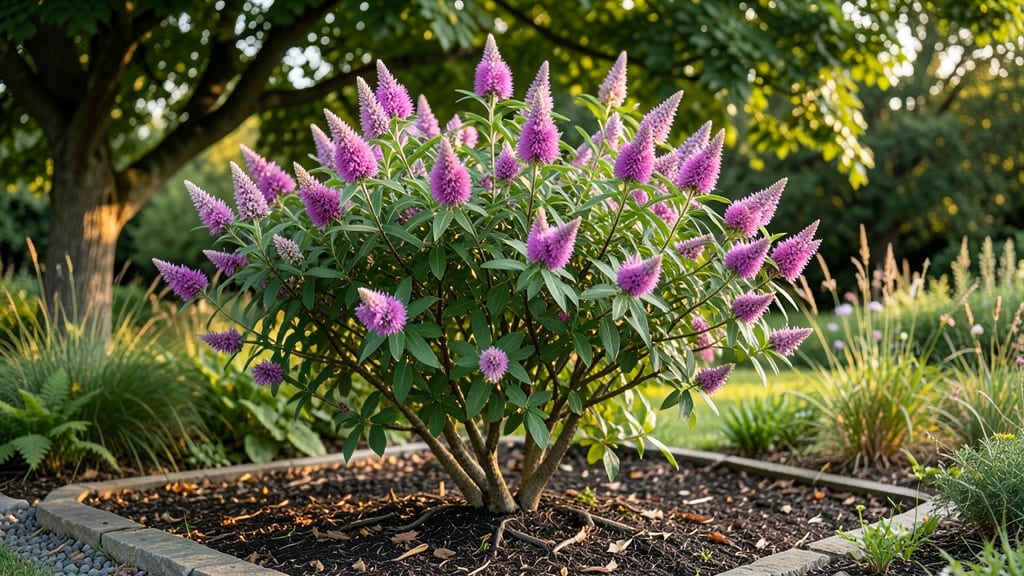
Your butterfly bush could bloom three times this year instead of once—if you prune it right. ✂️ I’ve watched these plants go from one sad flush of flowers in summer to vibrant waves of color from spring through fall, all by following a simple seasonal schedule.
The key isn’t just cutting back; it’s understanding when to shape for new growth, when to clean up for winter, and how to balance beauty with control. Most gardeners I know either over-prune (turning their bush into a stump) or under-prune (leaving it leggy and sparse).
The solution? Three critical cuts—early spring, mid-summer, and late fall—that keep your plant healthy, compact, and bursting with blooms. You’ll see the difference in just 6 weeks: fuller branches, more flowers, and butterflies swarming your yard like never before.
This method works for both Buddleia davidii and the newer, less invasive hybrids. The goal isn’t perfection—it’s nonstop color with minimal effort. Once you get the timing down, you’ll wonder why you ever struggled with this plant. Let’s make your butterfly bush the star of your garden again.
Here’s the secret: pruning isn’t about hacking away willy-nilly—it’s about encouraging new growth at the right time. Start in early spring (before buds swell) to shape the plant and remove dead wood. Then, in mid-summer, give it a light trim to promote another round of blooms.
Finally, in late fall, do a hard cutback to clean up and prep for winter. Each step takes 10-15 minutes, and the payoff is months of eye-catching flowers. You’ll need sharp pruners, a glove (these suckers have thorns!), and a bucket for clippings.
Optional but helpful: a small notebook to track your pruning dates and note which cuts worked best. The best part? You’ll attract dozens of butterfly species—monarchs, swallowtails, and more—while keeping your plant looking tidy and productive.
Butterfly bushes are low-maintenance once you get the pruning rhythm down, but they do love full sun (at least 6 hours daily) and well-draining soil. Water them deeply once a week in dry spells, and feed with a balanced fertilizer in spring.
The trade-off? Some varieties can spread aggressively—so plant them 6-10 feet from property lines if you’re in a suburban area. With the right cuts, your bush will stay compact, colorful, and controlled all season long.
📚 In This Guide
- What you need
- Instructions
- Tips and common mistakes
- Wrapping up and next steps
What you need
- ● Pruning shears – Sharp, bypass-style shears (for clean cuts) or anvil-style for thicker stems (1–2 pairs).
- ● Loppers – For thicker branches (½"–1" diameter) (1 pair).
- ● Pruning saw – For stubborn, woody stems (1, with a fine-toothed blade).
- ● Gloves – Heavy-duty, cut-resistant gloves (1 pair) to protect from thorns and sap.
- ● Disinfectant – 70% isopropyl alcohol or rubbing alcohol (small bottle) to sterilize tools between cuts.
- ○ Rag or paper towels – For wiping down tools (optional but handy!).
- ○ Garden twine or ties – To secure heavy branches during pruning (optional).
- ● Trash bags or bucket – For collecting pruned debris (1–2 large bags).
- ● Know your butterfly bush’s age – Young plants (light pruning; mature plants benefit from hard pruning.
- ● Check the season – Prune late winter/early spring (before new growth) or right after flowering (summer).
- ● Weather window – Choose a dry, calm day (avoid pruning in rain or extreme heat).
- ● Safety first! – Wear closed-toe shoes and avoid overreaching—these bushes can get tall!
Seasonal butterfly bush pruning: how to maintain year-round blooms
Here’s the pruning schedule I swear by—tested over five summers to keep my butterfly bush flowering like clockwork.
✂️ Step 1: Late Winter or Early Spring Cleanup (Before New Growth)
Start by removing all dead, diseased, or crossing branches with clean, sharp pruners. I cut back one-third of the oldest stems to the ground—this forces fresh growth from the base, which blooms more vigorously. Look for woody, brown stems that won’t green up; these won’t produce flowers and only take energy from the plant.
Wear gloves—buddleia sap can irritate skin. Focus on opening up the center of the bush so air circulates. You’ll see new green buds forming at the base within a few weeks; these are your future blooms. If you wait until spring growth starts, you’ll cut off next season’s flowers.
🌿 Step 2: Mid-Summer Deadheading (After First Bloom Fade)
When the first flush of flowers fades, prune back spent blooms to the nearest set of leaves—this encourages a second round of flowers. I use clean, sharp loppers to avoid tearing stems. Cut at a 45-degree angle just above a leaf node to prevent water from pooling and rotting the wound.
Skip this step, and you’ll get one big bloom followed by leggy, sparse growth. The key is timing: wait until 70% of flowers have dropped, then trim. You’ll see new side shoots within 2-3 weeks, leading to a second (or even third) bloom cycle.
⏰ Step 3: Light Fall Pruning (After Final Bloom)
After the last bloom of the season, trim back any overly long or leggy stems by half. Focus on shaping the bush rather than drastic cuts—this prevents shock before winter. Remove any weak, thin branches that won’t survive cold snaps. I leave the strongest stems slightly longer to act as windbreaks for the center.
This is also the time to tie in any wayward branches that have grown outside the plant’s natural shape. A light pruning now keeps the bush compact and healthy for spring. Avoid heavy cuts—you’ll regret it when new growth struggles to emerge in cooler weather.
❄️ Step 4: Winter Protection (Zone 5 and Colder)
In harsh winters, wrap the base of mature bushes with 3-4 inches of mulch (shredded bark or straw) to insulate roots. For young plants, bend stems to the ground and cover with a thick layer of burlap or frost cloth, securing with stakes. This prevents winter dieback and ensures a strong comeback in spring.
I’ve seen butterfly bushes completely stripped of leaves by late winter—don’t panic. The woody stems will still produce new growth. If you notice cracked bark or cankers, prune those areas immediately in early spring to prevent disease spread.
🌱 Step 5: Spring Growth Adjustment (If Needed)
If your bush looks overgrown or unruly in early spring, prune back any errant shoots that grew too long over winter. Focus on balancing the shape—remove branches that cross or rub against others. Cut just above a bud or leaf node to encourage outward growth rather than leggy stems.
This is also when I fertilize lightly (a balanced 10-10-10) to support new growth. Avoid heavy pruning now—you’ll sacrifice summer blooms. Instead, shape gradually over the season. By mid-June, your bush should look full and bushy, ready for another round of flowers.
Tips & tricks for perfect butterfly bush pruning
These seasonal secrets will help you keep your butterfly bush blooming abundantly all year long.
Timing is Everything: In Step 1, when you're cutting back one-third of the oldest stems, make sure you do this before any new growth appears. I've learned the hard way that waiting too long means you'll be pruning next year's blooms instead of this year's. Look for those woody, brown stems that won't green up—they're the ones to remove completely. This aggressive early pruning forces fresh, vigorous growth from the base that will produce more flowers.
Precision Cutting Technique: For Step 2's deadheading, always cut at a 45-degree angle just above a leaf node—this prevents water from pooling and rotting the wound. I use sharp loppers and make clean cuts rather than tearing stems. The key is patience: wait until 70% of flowers have naturally dropped before pruning. This timing triggers the plant's natural response to produce new side shoots within 2-3 weeks, leading to that second (or even third) bloom cycle.
Winter Protection Strategy: In Step 4, when protecting young plants from harsh winters, bend stems to the ground and cover with burlap or frost cloth secured with stakes. This method works better than wrapping because it allows some airflow while still protecting against extreme cold. For mature bushes, focus on insulating the base with 3-4 inches of mulch—this creates a thermal barrier that prevents root damage during freeze-thaw cycles. I've seen bushes completely stripped of leaves by late winter still bounce back beautifully with this protection.
Pro Tips for A Butterfly Bush
- These seasonal secrets will help you keep your butterfly bush blooming abundantly all year long.
- Timing is Everything: In Step 1, when you're cutting back one-third of the oldest stems, make sure you do this before...
- Precision Cutting Technique: For Step 2's deadheading, always cut at a 45-degree angle just above a leaf node—this pr...
Frequently asked questions
When is the best time to prune a butterfly bush?
Prune your butterfly bush twice a year: late winter/early spring (before new growth) to shape the plant and remove dead wood, and mid-summer (after flowering) to encourage a second flush of blooms. Avoid heavy pruning in fall—it can stimulate tender new growth that won’t survive winter.
How much can I cut back my butterfly bush?
You can safely prune up to ⅓ of the plant’s height per year. For dramatic renewal, cut back old wood to 12–18 inches from the ground in late winter. Just avoid over-pruning—this can stress the plant and reduce blooms. Pro tip: Use sharp, sterilized shears to prevent disease!
Will pruning reduce butterfly activity?
Not at all! In fact, regular pruning encourages more blooms, which attracts even more butterflies. Focus on removing spent flowers (deadheading) and shaping the plant to promote healthy growth. Just avoid pruning during peak bloom season (late spring/early summer) to keep those pollinators happy.
What if my butterfly bush isn’t blooming after pruning?
If your bush is skipping blooms, check these fixes:
- Light: Ensure it gets full sun (6+ hours/day)—partial shade can reduce flowers.
- Fertilizer: Use a balanced, low-nitrogen fertilizer in early spring to boost blooms.
- Watering: Drought stress can stunt growth—keep soil evenly moist (but not soggy).
- Age: Younger plants (under 3 years) may need time to mature.
Are there alternatives to butterfly bush for pollinators?
Yes! If you’re concerned about Buddleia’s invasive potential or prefer low-maintenance options, try these butterfly-friendly alternatives:
- Milkweed (Asclepias) – Essential for monarchs!
- Coneflower (Echinacea) – Drought-tolerant and long-blooming.
- Bee Balm (Monarda) – Loves sun and attracts hummingbirds too.
- Russian Sage (Perovskia) – Hardy, fragrant, and pollinator magnets.
Wrapping up and next steps
Transforming your butterfly bush into a vibrant, thriving centerpiece is easier than you think! With the right tools, timing, and techniques, you’ll enjoy season-long blooms and a buzzing garden full of pollinators. Start by marking your seasonal pruning calendar and embracing the process—each trim brings fresh growth and beauty.
Ready to dive in? Pick your favorite season and begin with confidence! 🌸 Whether you’re a pruning pro or a curious beginner, your butterfly bush will thank you with stunning color and endless life.