
Pests
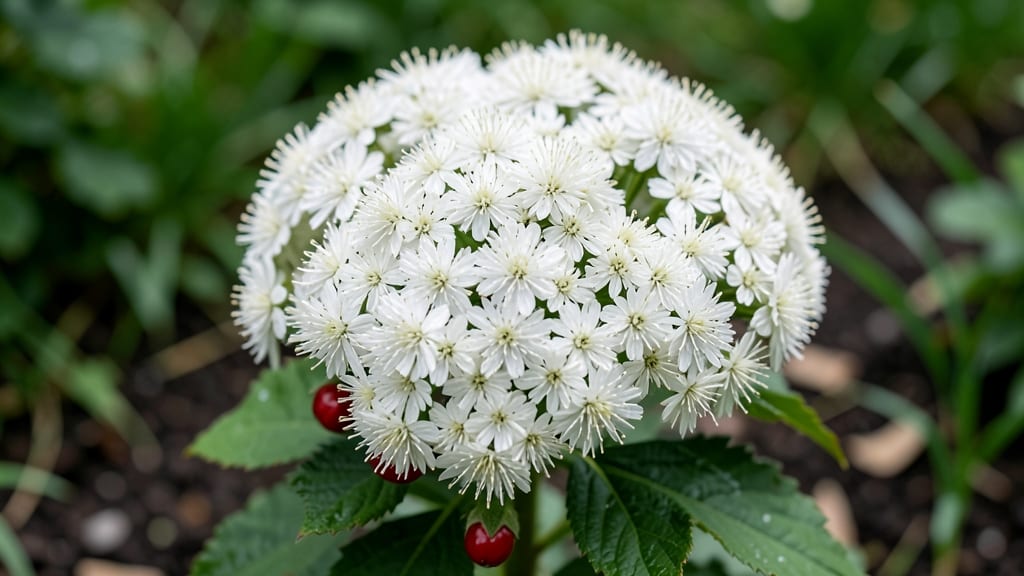
Snowball bushes are not deer-resistant—deer often browse their tender stems and leaves, especially when other food sources are scarce. Their delicate foliage and sweet fragrance make them an attractive target, requiring protective measures like fencing or repellents to deter deer in gardens.
Deer are naturally drawn to snowball bushes (Viburnum opulus) because their new growth is soft and palatable, while their fragrant white blossoms release scents that can signal fresh foliage to browsing animals. 🌿 Unlike tougher shrubs such as boxwood or barberry, snowball bushes lack natural defenses like thorns or bitter compounds, making them an easy meal.
In fact, studies show deer will prioritize these shrubs during late winter or early spring when other food is scarce—a common issue for gardeners in rural or wooded areas.
To protect your plants, consider combining physical barriers like 8-foot tall fencing with natural deterrents such as deer repellent sprays containing garlic or rotten eggs. Planting companion species like lavender or Russian sage nearby can also help mask the snowball bush's scent.
Regular pruning to remove tender new growth can reduce attractiveness, but this approach works best when paired with other strategies.
💡 In This Article
- Why Deer Target Snowball Bushes: Plant Characteristics That Attract Them
- Effective Deer-Proofing Strategies for Snowball Bushes
Why deer target snowball bushes: plant characteristics that attract them
Deer have an extraordinary sense of smell—up to 1,000 times more sensitive than humans—and they use it to locate food. Snowball bushes (Viburnum opulus) emit a sweet, almost honey-like fragrance from their white flower clusters, which deer associate with fresh, nutritious foliage.
This scent acts like an invisible dinner bell, especially during spring and early summer when deer are actively foraging for new growth to support their metabolism.
The real vulnerability lies in the plant's tender stems and young leaves. Unlike mature leaves, which may contain bitter compounds, new growth is soft, high in moisture, and packed with easily digestible nutrients.
Deer prefer this 2-3 inch section of growth—similar to how humans might choose a ripe, unblemished fruit over a tough, overripe one. The bush's lack of thorns or toxic compounds (unlike barberry or holly) makes it an easy target, especially when other food sources are limited.
Comparing snowball bushes to other deer-resistant shrubs highlights their weaknesses. For example, hydrangeas have tougher leaves and a milder scent, while boxwood contains bitter alkaloids that deer avoid.
Snowball bushes score poorly on deer resistance scales—typically rated as "moderately susceptible"—because their aromatic flowers and soft stems override any potential deterrents. This is why gardeners often see deer browsing these bushes even when surrounded by more resilient plants.
Seasonal patterns play a critical role in deer behavior. During late winter, when other vegetation is dormant, snowball bushes become a high-value food source. Their evergreen-like appearance can even trick deer into thinking they're a reliable food source year-round.
This is why proactive protection is essential, particularly in wooded or rural gardens where deer have fewer alternatives.
Another factor is the bush's height and spread. Mature snowball bushes reach 6-10 feet tall with a similar spread, making them accessible to deer that can stand on their hind legs to reach the lower branches.
Unlike ground covers or low-growing shrubs, their height puts the most palatable growth within easy browsing range. This accessibility, combined with their lack of natural defenses, explains why they're frequently targeted.
To visualize the attraction, imagine a deer's perspective: a fragrant, soft-stemmed bush with no thorns, standing tall in an otherwise sparse landscape. It's like finding a buffet in the middle of a desert—deer can't resist. 🌿 This is why gardeners must combine multiple strategies to protect these otherwise beautiful shrubs.