
Pruning
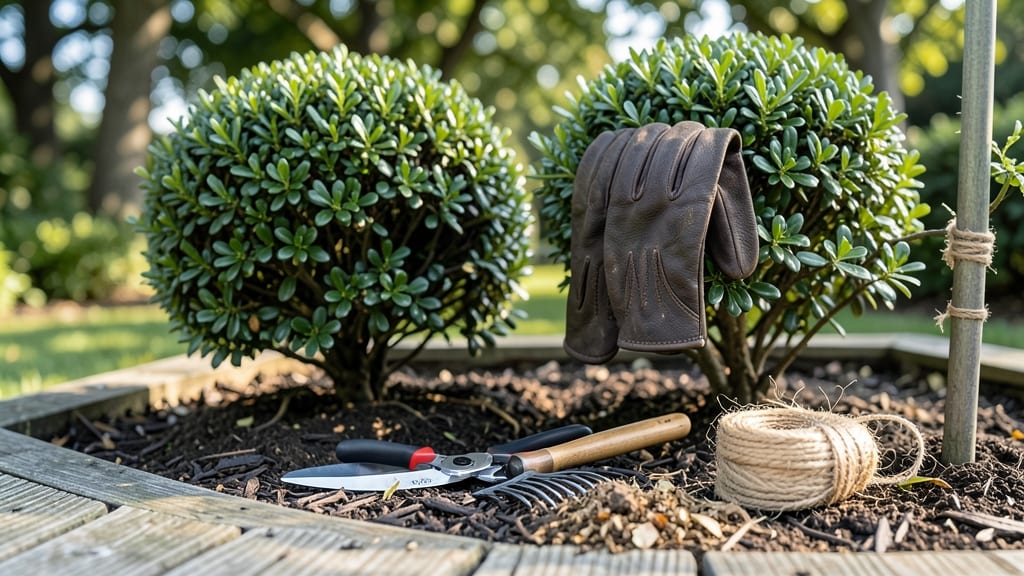
The best time to trim boxwood bushes is late winter or early spring, when the plant is still dormant but ready to burst into new growth 🌿.
Picture this: you’ve spent months admiring your manicured boxwoods, only to wake up one spring morning and realize they’ve grown wild over winter. That’s why timing matters—pruning at the wrong moment can stress your shrubs, leaving them vulnerable to disease or stunted growth.
But when you catch it just right, you’re not just tidying up; you’re setting the stage for a season of lush, vibrant foliage.
Late winter is ideal because it gives your boxwoods a head start before the growing season kicks in, while avoiding the harshest cold that could damage fresh cuts. If you’re in USDA Zone 6a or similar climates, aim for March or early April, just before the last frost.
This timing ensures your shrubs have time to heal and flourish before summer’s heat arrives.
In this guide, you’ll learn exactly how to time your cuts for maximum impact, from recognizing the perfect moment to avoid common mistakes that leave your boxwoods looking less than their best. Ready to give your shrubs the care they deserve?
Why late winter is the optimal time to trim boxwood bushes
Boxwood bushes are the backbone of formal gardens, offering year-round structure and elegance. But their beauty depends on proper pruning timing. Many gardeners mistakenly trim in late summer or early fall, which can stress the plant and invite disease.
The truth? Late winter is the golden window for shaping boxwoods—here’s why.
When boxwoods enter dormancy in late winter, they’ve stored enough energy to rebound quickly after pruning. Cutting during dormancy minimizes stress and allows new growth to emerge uniformly in spring. This timing also reduces disease risk, since fresh cuts heal faster when temperatures are cool but not freezing.
Biologically, boxwoods grow best when pruned just before active bud break. In USDA Zone 6a (like much of the Midwest), this window opens around late February to early March. Pruning too early risks frost damage to fresh cuts, while waiting too long can encourage leggy growth or attract pests.
Climate plays a critical role in adjusting your timing. In milder southern regions (Zones 7-9), late winter can stretch into March or even early April. Meanwhile, gardeners in harsh northern climates (Zones 3-5) should aim for February to avoid late-season frosts that can harm tender new shoots.
Here’s the science-backed secret: Pruning in late winter stimulates denser foliage by promoting lateral branching. This creates the full, manicured look boxwoods are famous for. Skipping this step often results in sparse, leggy bushes that struggle to maintain their shape.
One common mistake is pruning too aggressively in late winter. Boxwoods can tolerate up to 1/3 of their volume removed, but cutting back old wood (wood without green leaves) is a fatal error.
Always focus on shaping rather than drastic reduction—think of it as grooming, not haircutting.
For regional adjustments, use this rule: Prune when forsythia blooms (a classic late-winter signal). In southern climates, this might be March 15-April 1, while northern gardeners should aim for February 15-March 1. The key is avoiding frost while still catching the plant before bud break.
Pro tip: Disinfect your pruners with rubbing alcohol before and after trimming to prevent boxwood blight. This fungal disease thrives on open wounds and can devastate entire hedges if unchecked. A 5-minute cleanup between cuts makes all the difference.
Late winter pruning also sets the stage for year-round health. By removing <
Step-by-step late winter trimming guide for boxwood bushes
Late winter is your golden window for boxwood pruning—when plants are dormant but ready to burst with new growth. This is the time to shape your bushes without stressing them, as they’ve already survived winter’s harshest conditions.
With the right approach, you’ll encourage dense, vibrant foliage all season long while avoiding the dreaded "sheared" look that plagues so many boxwoods.
Before you grab your shears, prepare your tools and workspace to ensure a clean, efficient trim. Start by sharpening your bypass pruners and gathering sterilized tools to prevent disease spread. Boxwoods are prone to fungal infections, so disinfect blades with rubbing alcohol between cuts.
Wear gloves and long sleeves to protect against thorns and sap irritation, especially if you’re working with mature bushes.
🌿 Step-by-Step Late Winter Trimming Guide
- 1 Remove dead/diseased branches first: Start by cutting out any brown, mushy, or crisscrossing branches at the base. These are energy drains and can harbor pests.
- 2 Thin out crowded areas: Look for overlapping branches and make clean cuts at a 45-degree angle just above a leaf bud. This improves airflow and reduces fungal risk.
- 3 Shape gradually, not drastically: Avoid shearing entire sections. Instead, use hand pruners for precision and step back frequently to check your work. Aim for a natural, tapered shape.
- 4 Clean up cuts and debris: Wipe blades with alcohol after each cut and collect all clippings. Dispose of diseased branches in the trash, not your compost bin, to prevent reinfection.
- 5 Apply post-pruning care: Water deeply to reduce stress and apply a 2-inch layer of mulch around the base (keep it 2 inches away from the trunk to prevent rot).
When shaping your boxwood, focus on the plant’s natural form rather than rigid geometric shapes. Boxwoods thrive when you encourage their innate structure—think of them like living sculptures.
For example, upright varieties like 'Green Velvet' benefit from tapering cuts that narrow toward the top, while spreading types like 'Dwarf Korean' need horizontal layering to maintain their width.
After pruning, monitor your boxwoods closely for the first few weeks. Look for signs of stress like yellowing leaves or excessive wilting, which may indicate over-pruning. If you’ve cut too aggressively, hold off on fertilizing until new growth appears—usually within 4-6 weeks.
Instead, focus on consistent watering and light morning sunlight to help them recover.
For a polished, professional finish, consider using a small hand saw for thicker branches (over ½-inch thick) and avoid cutting into old, woody stems, as these won’t regrow.
If you’re unsure about a cut, wait until spring when new growth signals where to trim. Remember, boxwoods are forgiving plants—small mistakes now will correct themselves with proper care.
With this late winter trim, your boxwoods will explode with fresh growth by spring, looking denser and healthier than ever. The key is patience and precision—never rush the process, and always step back to admire your work from a distance. Happy pruning! ✂️🌿