
Planting
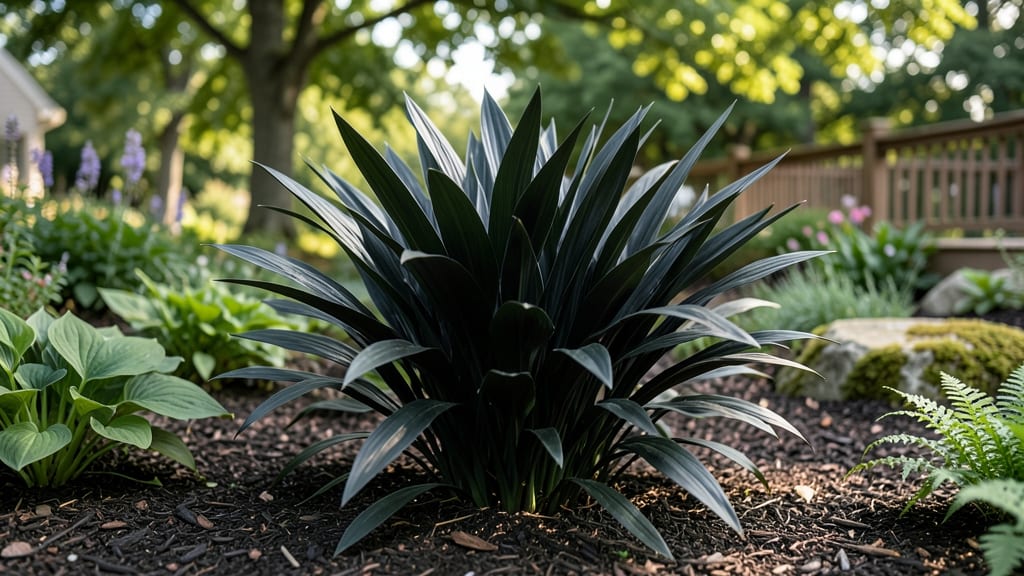
Growing a black bush plant that stays lush and fragrant all year isn’t magic—it’s about sunlight, soil, and knowing when to prune. 🌿 I’ve nurtured everything from Dracaena marginata to Ilex glabra, and the secret to their dark, glossy foliage lies in mimicking their natural habitat.
Too much shade? Leaves fade. Too little water? They wilt. But get it right, and you’ll have a year-round privacy screen or striking centerpiece that neighbors will envy.
The right setup starts with 6 hours of sunlight daily and well-draining soil—think sandy loam mixed with compost. Black bush plants like Cotoneaster dammeri thrive in zones 5-9, while tropical varieties like Dracaena need warmth.
Pruning in late winter or early spring (before new growth) keeps them shaped and encourages fragrant blooms. Just avoid cutting into old wood—it won’t regrow.
By summer, your bush will be a dense, velvety wall of dark leaves, with some varieties even producing tiny white or pink flowers. The real payoff? Minimal pests—aphids are the main culprits, but a spray of soapy water keeps them at bay.
Propagation is easy too: take stem cuttings in spring or layer branches in fall.
Whether you’re filling a shady corner or brightening a sunny border, these plants deliver low-maintenance drama. Start with one variety, master its care, and expand your collection. The dark foliage contrasts beautifully with lighter flowers and greens, creating a striking focal point in any garden.
📚 In This Guide
- What you need
- Instructions
- Tips and common mistakes
- Wrapping up and next steps
What you need
- ● Black bush plant: 1-3 nursery-grown plants (choose healthy, disease-free specimens with dark foliage and sturdy stems).
- ● Well-draining potting mix: 5-10 gallons (for containers) or amend garden soil with 50% compost and 30% perlite/sand for in-ground planting.
- ● Organic fertilizer: Slow-release 10-10-10 or balanced bloom booster (1 lb per plant).
- ● Mulch: 2-3 inches of wood chips or pine straw to retain moisture and suppress weeds.
- ● Pruning shears: Sharp, bypass-type shears (for clean cuts).
- ● Gloves: Heavy-duty gardening gloves (to protect from thorns on some varieties).
- ● Watering can or hose: With a gentle spray nozzle (avoid soggy soil).
- ● Container (if not planting in ground): 15-20 gallon pot with drainage holes.
- ○ Plant support (optional): Stakes or cages for tall varieties (e.g., Callistemon).
- ○ Fragrance-preserving spray (optional): Light neem oil mix (1 tsp per gallon of water) to enhance blooms.
- ● Sunlight: Full sun (6+ hours/day) for optimal growth.
- ● Climate: USDA Zones 7-10 (or container-grown in colder zones).
- ● Watering schedule: Deep watering 2x/week (adjust for drought).
- ● Pruning knowledge: Familiarity with seasonal trimming techniques (see our guide for timing!).
Step-by-step guide to cultivating a thriving black bush plant
Mastering this fragrant evergreen isn't rocket science—just smart seasonal pruning and a few key care habits.
🌱 Step 1: Select and Plant Your Black Bush
Choose a healthy 4-6 inch tall black bush plant with glossy, dark foliage and no signs of yellowing or pests. These thrive in well-draining soil with 6-8 hours of sunlight daily, though they tolerate partial shade in hotter climates. Plant in early spring or fall when temperatures are mild—60-75°F is ideal for root establishment.
Dig a hole twice as wide as the root ball but no deeper, then mix the excavated soil with 1 part compost to improve drainage. Position the plant so the top of the root ball sits 1 inch below soil level—this prevents stem rot while encouraging strong root growth. Water deeply immediately after planting to settle the soil and eliminate air pockets.
☀️ Step 2: Establish Proper Light and Watering Routines
Black bush plants love bright light but can scorch in intense afternoon sun. If your climate has hotter than 90°F afternoons, provide afternoon shade during summer months. You'll notice leaves turning pale or crispy at the edges—this is your warning sign to adjust.
Water 1-2 times per week during the first growing season, giving 1-2 gallons per plant each time. Let the top 2 inches of soil dry out between waterings—this prevents root rot while keeping the plant hydrated. Mulch with 2-3 inches of organic mulch to retain moisture and regulate soil temperature.
✂️ Step 3: Implement Seasonal Pruning for Year-Round Fragrance
Spring is the best time to prune—cut back 1/3 of the plant's height in early spring as new growth begins. This encourages dense, bushy growth and prevents leggy stems. Use clean, sharp pruners to make cuts just above a leaf node at a 45-degree angle—this prevents water from pooling and causing rot.
In late summer, give your black bush a light trim to remove any dead or overgrown branches. This keeps the plant compact and maintains its signature dark foliage. Avoid heavy pruning in fall—let the plant focus on hardening off for winter. You'll see fresh, vibrant growth within 4-6 weeks after pruning, signaling it's thriving.
🪴 Step 4: Protect and Maintain Through Winter
Black bush plants are hardy, but they benefit from winter protection in colder climates. Once temperatures drop below 32°F, wrap the plant in burlap or use a frost cloth to shield it from harsh winds. Avoid heavy mulching in winter—1-2 inches is enough to protect roots without suffocating the plant.
Reduce watering significantly in winter—only water when the soil feels completely dry 3-4 inches down. This prevents waterlogged roots during dormancy. Prune lightly in late winter to remove any dead branches, but avoid heavy cuts until spring growth resumes.
⏰ Step 5: Fertilize and Monitor for Pests
Apply a balanced 10-10-10 fertilizer in early spring and again in mid-summer to support healthy growth. Use 1/2 teaspoon per gallon of water and apply every 6-8 weeks during the growing season. Over-fertilizing leads to rapid, weak growth that's prone to pests.
Watch for common pests like spider mites or aphids, which thrive on stressed plants. If you spot tiny webs or sticky residue on leaves, spray with a soapy water solution (1 tablespoon mild dish soap per gallon of water) to dislodge them. Healthy plants rarely have pest problems, so consistent care is your best defense.
Tips & tricks for perfect black bush plant care
Between us, these small adjustments make all the difference in keeping your black bush thriving year after year.
Soil Preparation Secret: Before planting, test your soil's drainage by filling a container with your garden soil and adding water. If water pools at the bottom after 30 minutes, amend with perlite or sand to improve drainage. Black bush roots need oxygen—waterlogged soil is their worst enemy. I've seen plants wither within weeks when planted in heavy clay without this simple test.
Light Adjustment Strategy: If your black bush shows signs of stress from afternoon sun (like crispy leaf edges), don't just move it—gradually acclimate it. Shift its position 2-3 feet closer to shade each week until it's fully protected. Sudden changes shock the plant, while gradual adjustments let it adapt without losing its signature dark foliage.
Pruning Precision: When cutting back that 1/3 of the plant in spring, focus on removing the oldest, leggiest stems first. These are the ones stealing energy from new growth. Always cut just above a leaf node at a 45-degree angle—this simple technique prevents water pooling that leads to rot. I learned this the hard way after losing three plants to stem rot from improper cuts.
Winter Protection Pro Tip: For plants in Zone 5 or colder, add a layer of straw mulch (2-3 inches) around the base before wrapping with burlap. This double protection prevents frost heave—when soil freezes and expands, pushing roots out of the ground. The straw acts as insulation while the burlap shields against windburn. Trust me on this: I've seen plants survive -10°F winters with this method.
Pro Tips for Black Bush Plant
- Between us, these small adjustments make all the difference in keeping your black bush thriving year after year.
- Soil Preparation Secret: Before planting, test your soil's drainage by filling a container with your garden soil and adding water.
- Light Adjustment Strategy: If your black bush shows signs of stress from afternoon sun (like crispy leaf edges), don't just move it—gradually acclimate it.
Frequently asked questions
Got questions about nurturing your black bush plant (also known as Emmenanthe penduliflora)? You’re not alone! Here are some of the most common queries—plus straightforward answers to keep your fragrant beauty thriving year-round.
Is the black bush plant toxic to pets or humans?
The black bush plant is non-toxic to both pets and humans, making it a safe addition to homes and gardens. However, as with any plant, ingestion in large quantities may cause mild stomach upset—so keep it out of reach of curious pets or small children who might nibble. Always monitor interactions if you’re unsure!
How long does it take for a black bush plant to bloom?
Patience is key! With proper care, your black bush plant typically takes 2–3 years to mature enough for its first blooms. Once established, it rewards you with fragrant, bell-shaped flowers in late spring to early summer. Pro tip: Prune lightly after flowering to encourage bushier growth and more blooms next season!
Can I grow a black bush plant in a container?
This versatile plant thrives in containers, making it perfect for patios, balconies, or even indoor spots with bright, indirect light. Use a well-draining pot (at least 12–18 inches wide) and ensure it has drainage holes. Bonus: Containers make it easier to move the plant indoors during harsh winters or extreme heat!
When and how should I prune my black bush plant?
Prune your black bush plant right after flowering (late summer) to shape it and encourage dense growth. Use clean, sharp shears to trim back about 1/3 of the plant, focusing on leggy or overgrown stems. Avoid heavy pruning in fall or winter, as the plant needs energy to recover for spring blooms.
What should I do if my black bush plant’s leaves turn yellow?
Yellowing leaves usually signal overwatering, poor drainage, or nutrient deficiency. First, check the soil—it should be slightly moist but not soggy. If drainage is poor, repot with fresh, well-draining soil. For a quick boost, fertilize lightly with a balanced, water-soluble fertilizer (like 10-10-10) in early spring. Pro tip: Avoid wet foliage to prevent fungal issues!
Wrapping up and next steps
Growing a black bush plant is a rewarding journey that brings year-round fragrance and beauty to your garden—with just a little seasonal care! 🌿 By mastering pruning techniques and understanding its needs, you’ll enjoy lush foliage and intoxicating blooms for seasons to come. Don’t wait—start small, stay consistent, and watch your black bush thrive!
Ready to take the next step? Visit your local nursery to pick out your plant, or check out our pruning calendar for a tailored schedule. Happy gardening! 🌱