
Pests and Diseases
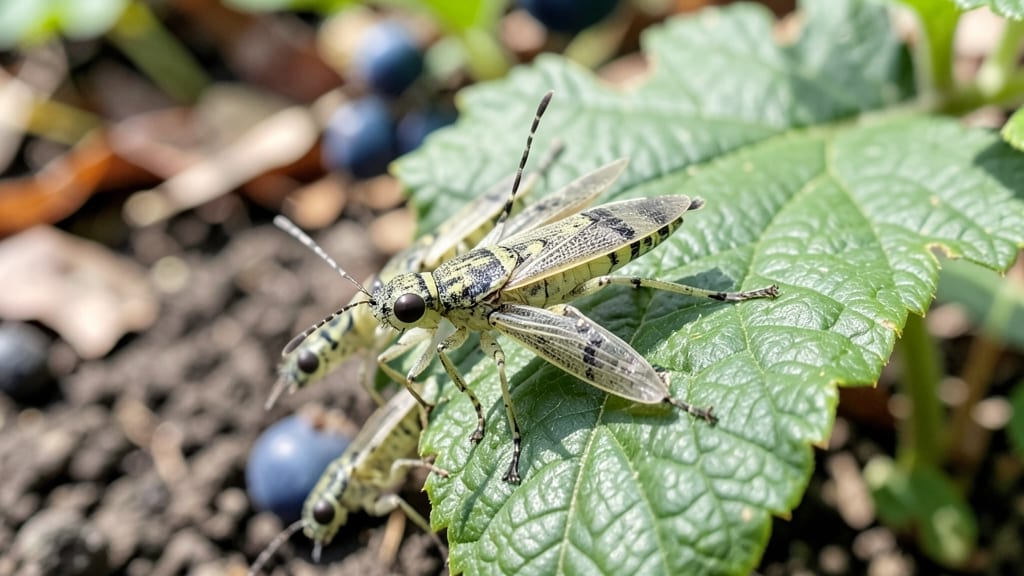
Blueberry bush bugs can turn your sweet harvest into a chewed-up disappointment—unless you act fast. 🌿 I’ve lost entire buckets of berries to hungry pests, but these organic tricks have saved my bushes every season since.
The worst offenders—aphids, spider mites, and borers—all leave telltale signs: curled leaves, sticky residue, or sawdust-like frass. The key is catching them early, before they multiply. A strong blast of water or homemade neem oil spray works wonders for soft-bodied pests like aphids, while beneficial nematodes tackle borers underground.
With consistent checks and these simple solutions, you’ll protect your bushes without harsh chemicals. Your first harvest will be plump, ripe, and free of tiny holes—no more bitter surprises when you pick. Works for organic gardens, conventional plots, and even container-grown blueberries. Let’s get those berries safe and sound!
Root Causes Of Blueberry Pests
If your blueberry bushes are under siege by unwanted critters, understanding why these pests show up in the first place is half the battle. Blueberry bushes are a magnet for insects and mites due to their lush foliage, sweet nectar, and tender fruit—making them a prime target.
Below, we break down the most common reasons these tiny troublemakers invade your bushes, so you can address the root of the problem and protect your harvest.
Blueberry bushes thrive when they have space to breathe and grow strong, but when they’re stressed, overcrowded, or nutrient-deficient, they become prime targets for pests. Here’s why:
- Weakened Immunity: Plants under stress (from poor soil, drought, or overwatering) produce less resin and natural defenses, making them easier prey for insects like blueberry aphids or spider mites. Think of it like a person with a cold—bugs take advantage of vulnerability!
- Compact Growth Habits: Overcrowded bushes create microclimates with high humidity and poor airflow, which pests like Japanese beetles and thrips love. Tight spaces also make it harder to spot infestations early.
- Nutrient Deficiencies: A lack of nitrogen, phosphorus, or potassium weakens structural integrity, leaving bushes more susceptible to borers and leaf-eating pests.
💡 Actionable Fix: Prune regularly to improve airflow, mulch to retain moisture, and conduct a soil test to address deficiencies. Healthy bushes are naturally more resistant!
Blueberry bushes are like all-you-can-eat buffets for insects because their flowers, leaves, and ripe fruit are packed with sugars and proteins that pests can’t resist. Here’s the science behind the attraction:
- Nectar-Rich Flowers: Early-season pests like blueberry maggots and sawfly larvae are drawn to the sweet nectar in blueberry blossoms. The more flowers, the more bugs!
- Tender New Growth: Young leaves and stems are soft and easy to chew, making them a favorite for blueberry leafhoppers and cankerworms. These pests target fresh, unhardened tissue.
- Ripe Fruit Magnet: Once blueberries ripen, they become a smorgasbord for berry borers and fruit flies. The sugars in the fruit signal to pests that it’s time to feed and lay eggs.
🌡️ Pro Tip: Use row covers during flowering to block early pests, and harvest fruit promptly to avoid overripe bait for later infestations.
Pests don’t just appear out of nowhere—they often hitch a ride from last year’s debris, neighboring plants, or even wild areas nearby. Here’s how clutter invites trouble:
- Leaf Litter Hideouts: Fallen leaves, old fruit, and pruned branches provide perfect hiding spots for overwintering pests like blueberry scale insects or earwigs. These bugs emerge stronger in spring, ready to attack.
- Weeds As Pest Hotels: Weeds around blueberry bushes can harbor aphids, thrips, and spider mites, which then migrate to your bushes. Some weeds (like dandelions) even attract beneficial insects that later turn predatory.
- Unclean Tools: Pruners, rakes, and gloves can transfer pests from infested areas to healthy bushes. Even a tiny egg or larva can start a full-blown invasion.
🔥 Prevention Tip: Clear debris yearly, remove weeds within a 3-foot radius, and sterilize tools with rubbing alcohol between uses.
Pests don’t follow a calendar—they respond to temperature, rain, and seasonal shifts. Blueberry bushes are especially vulnerable during:
- Warm, Dry Springs: Heat and drought stress bushes, making them more attractive to spider mites (which thrive in dry conditions) and Japanese beetles (which seek out water-stressed plants).
- Cool, Wet Summers: Excess moisture creates ideal conditions for fungus gnats and slugs, while also promoting mold that weakens plant defenses.
- Late Summer Fruit Ripening: As temperatures rise, berry borers and fruit flies become more active, targeting soft, ripe fruit.
✨ Climate Hack: Install drip irrigation to avoid overhead watering (which spreads pests) and use shade cloth in peak summer to reduce heat stress.
By tackling these root causes—whether it’s plant health, attractants, hygiene, or climate—you’ll disrupt the pest life cycle and give your blueberry bushes the best shot at staying bug-free. Next, we’ll dive into organic removal methods to kick those pests to the curb for good! 🚫🐜
Fixing Common Blueberry Bush Pests
Discovering unwanted critters nibbling on your blueberry bushes can be frustrating, but don’t panic! With the right approach, you can restore your plants to full health—and even prevent future invasions.
Below are targeted solutions for the most common blueberry bush pests, from organic sprays to cultural fixes. Each method is designed to be effective, easy, and eco-friendly.
These tiny pests suck sap from leaves, causing yellowing and stunted growth. Here’s how to tackle them:
💦 Spray with Soap or Oil (Immediate Relief)
- Mix a mild soap solution: Combine 1 tablespoon of dish soap (like Castile soap) with 1 quart of water. Spray directly on affected leaves, focusing on the undersides where mites hide.
- Use neem oil: Mix 1 teaspoon of neem oil with 1 quart of water and a drop of dish soap (as an emulsifier). Spray every 3–5 days until pests disappear.
- 💡 Pro Tip: Apply in the early morning or late evening to avoid harming beneficial insects like ladybugs.
🌿 Encourage Natural Predators
- Ladybugs, lacewings, and parasitic wasps love aphids and mites. Attract them by planting dill, fennel, or marigolds nearby.
- 🎯 Prevention: Keep your bushes well-watered—drought stress makes plants more susceptible to infestations.
These shiny green-and-copper beetles chew leaves into a lace-like pattern. Act fast before they skeletonize your bushes!
🕵️ Handpick & Drown (Best for Small Infestations)
- 🔥 In the early morning, shake beetles into a bucket of soapy water. They’re slow then and easy to catch.
- 🌿 Use traps sparingly: Commercial pheromone traps can attract more beetles. If you use one, place it far from your bushes.
🌱 Plant Repellent Companions
- Garlic, rosemary, or catnip deter Japanese beetles. Plant them around your blueberry patch.
- 💡 Pro Tip: Apply kaolin clay (like Surround WP) as a protective barrier—it coats leaves and makes them unappealing to beetles.
These white, legless larvae burrow into berries, turning them mushy and inedible. Prevention is key!
🧹 Clean Up Debris (First Line of Defense)
- Remove fallen berries and leaf litter from under bushes—maggots overwinter here.
- 🔪 Prune out infested branches and dispose of them in sealed bags (not compost).
🍎 Use Row Covers & Organic Sprays
- Cover young bushes with floating row covers to block adult flies.
- Spray with pyrethrin-based sprays (like pyrethrum) at dusk when adult flies are active. Reapply every 5–7 days.
These armored pests attach to stems and leaves, sucking nutrients and leaving behind a sticky residue (honeydew).
🧼 Scrub with Soap or Oil
- 🍳 Mix 2 tablespoons of horticultural oil with 1 gallon of water and spray thoroughly. Repeat every 5–7 days for 2–3 weeks.
- 🔪 For heavy infestations, use a soft brush dipped in rubbing alcohol to scrub off scales.
🌿 Introduce Beneficial Insects
- Parasitic wasps and predatory beetles (like Cryptolaemus montrouzieri) target scales. Order them from garden centers.
- 💡 Pro Tip: Prune in late winter to remove overwintering eggs on branches.
While ants themselves don’t harm blueberries, they farm aphids and scale insects, worsening infestations.
🚫 Disrupt Their Trails
- 🔥 Sprinkle diatomaceous earth (food-grade) around the base of bushes—it dehydrates ants.
- 🧴 Use borax bait: Mix 1 part borax with 3 parts sugar and 1 part water. Place small amounts near ant trails (keep away from pets/kids).
🌿 Remove Food Sources
- Eliminate aphids and soft-bodied insects (their ant “cows”) using the methods above.
Once you’ve treated an infestation, lock in your success with these habits:
- 🌡️ Monitor regularly: Check bushes weekly for early signs of pests.
- 💪 Strengthen plants: Mulch well, water deeply, and fertilize (but avoid excess nitrogen).
- 🌿 Rotate organic sprays: Avoid overusing one treatment to prevent resistance.
- 📅 Plant at the right time: Space out plantings so pests can’t overwhelm all bushes at once.
With these strategies, your blueberry bushes will stay lush, productive, and pest-free—so you can enjoy a bountiful harvest without the bugs! 🍇✨
Frequently asked questions
What are the most common bugs that attack blueberry bushes?
The worst culprits include aphids (tiny green/black sap-suckers), spider mites (tiny red/yellow pests causing webbing), Japanese beetles (shiny green beetles chewing leaves), berry maggots (white larvae inside fruit), and scale insects (armored brown bumps on stems). Early identification is key to stopping them before they spread.
How do I know if my blueberries are being eaten by bugs?
Look for these signs: holes in leaves (Japanese beetles), sticky residue (aphid honeydew), curled or yellowing leaves (spider mites), tiny white maggots in fruit (berry maggots), or sawdust-like frass (borers). Check both leaves and fruit carefully—pests often hide on the undersides.
Can I use chemical pesticides on my blueberry bushes?
Chemical pesticides like pyrethroids or carbaryl can work, but they harm beneficial insects and may leave residues on fruit. For organic gardens, stick to neem oil, kaolin clay, or soapy water sprays. Always follow label instructions and harvest only after the recommended waiting period.
When is the best time to treat blueberry bush pests?
Act at the first sign of pests—don’t wait! Early spring (before blooms) is ideal for pruning and oil sprays, while summer infestations need immediate attention. Treat Japanese beetles in late morning when they’re sluggish, and berry maggots just before harvest. Regular checks every 7–10 days keep problems small.
Will my blueberries still be safe to eat if bugs have been there?
Not always! Berry maggots and borers make fruit unsafe, while aphids and scale leave honeydew that can cause mold. For severe infestations, remove affected fruit immediately. If using sprays, wait 2–3 days before picking to ensure residue safety. Always wash berries thoroughly before eating.