
Diseases
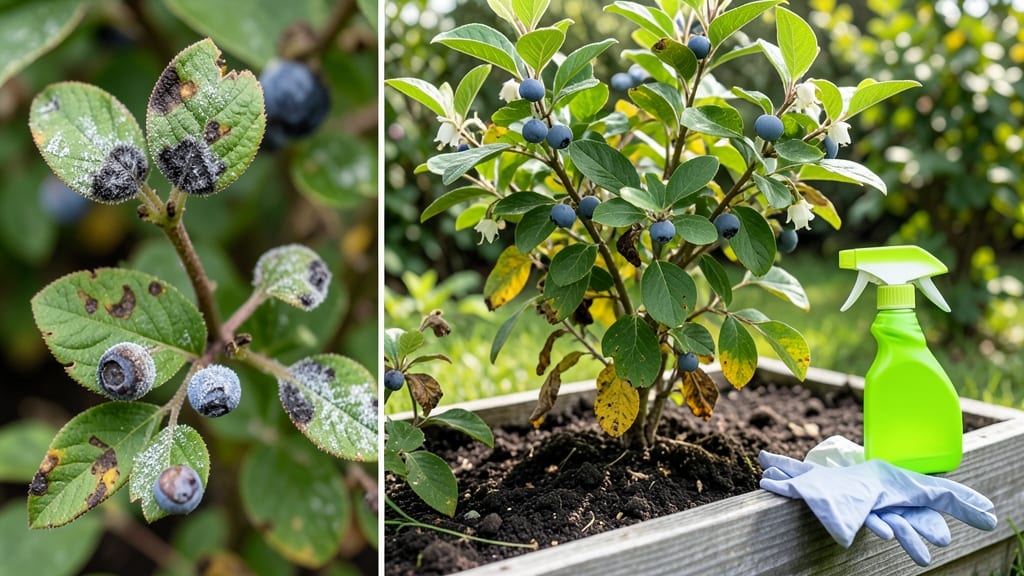
Blueberry bush fungus turns your sweet harvests into a moldy mess. 🍇 I’ve watched my thriving bushes go from lush to leafless overnight—until I learned these organic fixes that actually work. The key? Catching symptoms early and acting fast before the disease spreads.
Fungal diseases like mummy berry or botrytis blight start with tiny black spots on leaves or fuzzy gray growth on berries. If ignored, they steal your crop and weaken the plant for years.
But the good news? Organic sprays (like neem oil or copper fungicide) and proper pruning can stop it in its tracks—no harsh chemicals needed.
You’ll save your bushes by removing infected branches, improving airflow with spacing, and applying preventive sprays before bloom. Within weeks, new growth will push out strong, and your harvests will bounce back—bold, juicy, and fungus-free.
Works for home gardens, small farms, and even container-grown bushes. Let’s get those berries thriving again—without the rot.
Root Causes of Fungal Spread
Fungal infections in blueberry bushes don’t just appear out of nowhere—they thrive due to a mix of environmental, biological, and cultural factors. Understanding these root causes is the first step to preventing and treating the problem effectively.
Below, we break down the key reasons why fungal pathogens target your blueberry plants and how they exploit weaknesses in your garden’s defenses.
Fungi love water—literally. Many blueberry bush fungi, like botrytis blight or mummy berry, require prolonged moisture to germinate and infect plants. Here’s why damp conditions create the perfect storm:
- Leaf Wetness: When leaves stay wet for more than 12–24 hours, fungal spores germinate and penetrate plant tissues.
Heavy dew, frequent rain, or overhead irrigation (like sprinklers) extend this window. - Soil Saturation: Poor drainage or compacted soil traps excess water at the roots, weakening the plant’s immune response.
Waterlogged roots struggle to absorb nutrients, making them more susceptible to root rot fungi (e.g., Phytophthora). - Humidity Traps: Dense foliage or thick mulch layers can create microclimates with high humidity, ideal for fungal spores to spread via wind or splashing water.
💡 Pro Tip: Improve drainage by amending soil with compost or perlite, and water at the base of the plant (not overhead) to keep leaves dry.
A healthy blueberry bush has natural defenses, but stress makes it an easy target. Common stressors that lower resistance include:
- Nutrient Deficiencies: Lack of potassium (K) or phosphorus (P) weakens cell walls, making them easier for fungi to breach.
Yellowing leaves or stunted growth are red flags. - Physical Damage: Pruning wounds, insect bites (e.g., from blueberry maggots or spider mites), or hail scars create entry points for pathogens. - Environmental Shock: Sudden temperature swings (e.g., late spring frosts) or extreme heat stress plants, reducing their ability to fight off infections.
✨ Actionable Fix: Use balanced organic fertilizers (like fish emulsion or compost tea) and mulch with pine needles (blueberries prefer acidic soil, pH 4.5–5.5) to boost plant vigor.
Fungi spread via spores, which can linger in soil, debris, or even the air. Here’s how contamination happens:
- Infected Plant Debris: Leaving mummified berries, fallen leaves, or pruned branches on the ground provides a food source and shelter for fungal spores over winter. - Overcrowded Bushes: Poor airflow between plants traps moisture and spores.
Blueberries need 4–6 feet of spacing to circulate air and dry quickly after rain. - Wind & Wildlife: Spores hitch rides on wind currents or birds/insects (e.g., bees carrying spores from infected flowers). Mummy berry spores, for example, can travel miles on wind.
🎯 Prevention Tip: Sanitize tools with rubbing alcohol between cuts, remove all plant debris by fall, and thin bushes to improve airflow.
Fungi have optimal temperature and humidity ranges for growth. Blueberry regions often face perfect conditions for outbreaks:
| Fungus Type | Temperature Range | Moisture Trigger | Peak Risk Period |
|---|---|---|---|
| Botrytis Blight | 60–75°F (15–24°C) | High humidity + leaf wetness | Flowering to fruit ripening |
| Mummy Berry | 50–65°F (10–18°C) | Rain + cool nights | Early spring (spore release) |
| Anthracnose | 70–85°F (21–29°C) | Prolonged leaf wetness | Warm, humid summers |
| Powdery Mildew | 60–80°F (15–27°C) | Dry heat + high humidity | Late summer (stressful growth) |
🔥 Climate Hack: Monitor local weather forecasts and apply preventative fungicides (like neem oil or baking soda spray) before spores activate.
Even if your current bushes look healthy, past fungal activity can lie dormant in the soil or on tools. Here’s how history repeats itself:
- Recurring Fungi: Some pathogens (like Phytophthora root rot) survive in soil for years, reinfecting new plants.
- Contaminated Tools: Pruners, gloves, or trellises can transfer spores between plants. Never reuse tools without cleaning.
- Monoculture Planting: Growing blueberries in the same spot year after year depletes soil health and encourages fungal buildup.
🧼 Sanitation Solution: Rotate crops (if possible), solarize soil in late summer (cover with clear plastic for 4–6 weeks to kill pathogens), and disinfect tools with 10% bleach solution.
Some insects directly damage plants, while others unintentionally spread fungal spores. Key culprits include:
- Blueberry Maggots: Larvae bore into fruit, creating wounds where botrytis or mold can enter.
- Spider Mites: Weakened plants (from mite feeding) are more vulnerable to powdery mildew.
- Japanese Beetles: Chew leaves, exposing tissue to anthracnose spores.
👨🍳 Pest Control Tip: Use row covers early in the season, beneficial nematodes for soil pests, or kaolin clay to deter beetles.
Fungal infections in blueberry bushes are rarely random—they exploit weaknesses in your garden’s ecosystem. By addressing moisture, plant health, hygiene, and environmental conditions, you can starve out fungi before they take hold. The next section will cover early signs to watch for so you can act fast!
Quick Fixes for Fungal Woes
Fungal infections on your blueberry bushes can feel like a losing battle, but with the right approach, you can restore your plants to peak health—without harsh chemicals. Below, we’ve mapped out practical, organic solutions tailored to common fungal causes, from overwatering to poor airflow.
Each fix includes step-by-step instructions and prevention tips to keep your bushes thriving long-term.
Fix: Improve soil health and adjust watering habits.
- 🔥 Step 1: Test Your Soil Stick your finger 2–3 inches into the soil. If it feels soggy after 24 hours, drainage is the issue. For heavy clay soil, amend it with compost or coarse sand (mix in a 50/50 ratio) to loosen texture.
- 👨🍳 Step 2: Raise Planting Beds (If Needed) If your bushes sit in low spots where water pools, mound soil around the base to create a slight elevation. This encourages runoff.
- 🥘 Step 3: Water Wisely Water deeply but infrequently—aim for 1–1.5 inches per week (including rain). Use a soaker hose or drip irrigation to deliver moisture at the roots, avoiding wet foliage. Water in the early morning so leaves dry by sunset.
- ⏰ Prevention Tip: Install French drains or swales around the perimeter if your yard floods frequently. Mulch with wood chips (2–3 inches deep) to retain moisture without suffocating roots.
Fix: Boost airflow and sunlight exposure.
- 💡 Step 1: Prune Strategically Thin out crowded branches to open up the canopy, allowing sunlight to penetrate and air to circulate. Remove dead or crossing branches first—these trap moisture.
- 🎯 Step 2: Space Plants Correctly If your bushes are planted too closely (less than 4–5 feet apart), consider transplanting one to a sunnier spot. Blueberries thrive in full sun (6+ hours daily).
- ✨ Step 3: Use Fungicidal Sprays (Organic Options) Apply a baking soda spray (1 tbsp baking soda + 1 tsp soap + 1 gallon water) or neem oil (1 tbsp neem oil + 1 tsp soap + 1 quart water) every 7–10 days during humid spells. Spray undersides of leaves where fungi love to hide.
- 🌿 Prevention Tip: Install a small fan on a timer near the bushes during peak humidity (common in late summer). The gentle airflow disrupts fungal spores.
Fix: Strengthen plant immunity with organic fertilizers.
- 📊 Step 1: Soil Test First Fungal issues often flare when bushes are weak from poor nutrition. Send a soil sample to your local Cooperative Extension Service (costs ~$20–$30) to check pH and nutrient levels. Blueberries need acidic soil (pH 4.5–5.5).
- 💪 Step 2: Feed with Organic Matter Mix cottonseed meal or peat moss into the soil (follow package rates) to lower pH and provide slow-release nitrogen. Avoid fresh manure—it can burn roots and worsen fungal growth.
- 🥗 Step 3: Boost with Compost Tea Brew compost tea (steep compost in water for 24–48 hours, strain) and use it as a foliar spray or soil drench. It introduces beneficial microbes that outcompete fungi.
- 🔥 Prevention Tip: Mulch annually with pine needles or oak leaves (they acidify soil naturally). Avoid synthetic fertilizers—they can stress plants and make them more susceptible to disease.
If you spot large patches of mold, blackened canes, or wilting leaves, take emergency action: 1. 🚨 Remove Infected Parts Immediately Prune away all diseased leaves, fruit, and canes (sterilize shears with rubbing alcohol between cuts).
Bag and discard (don’t compost) to prevent spread. 2. 🌡️ Apply a Copper Fungicide Use copper sulfate or copper hydroxide (organic-approved) as a last-resort spray for severe cases. Follow label instructions—do not overapply, as copper can harm plants in high doses.
- 🌱 Quarantine the Area Avoid working near other plants until the bush recovers. Disinfect tools and wear gloves to prevent cross-contamination.
💡 Pro Tip: Coffee grounds (used, not instant) can also help—sprinkle them around the base of the bush. They’re naturally fungicidal and add acidity to the soil!
By tackling the root cause (literally!) and combining preventive care with targeted fixes, your blueberry bushes will bounce back stronger than ever. 🌱💙
Frequently asked questions
What are the first signs of fungus on blueberry bushes?
Watch for tiny black or brown spots on leaves (leaf spot) or gray fuzzy growth on berries (botrytis). Early signs also include yellowing leaves, stunted growth, or berries that shrivel before ripening. Check undersides of leaves first—fungi often hide there.
Can I still harvest berries if my bush has fungus?
Only harvest berries from healthy branches—never pick fruit with visible mold or gray fuzz. Discard infected berries immediately (don’t compost them). For mild cases, you can salvage some fruit by pruning diseased branches first and isolating the bush.
How often should I spray fungicide on blueberry bushes?
Apply organic sprays like neem oil or baking soda mix every 7–10 days during humid seasons (spring/fall). For severe outbreaks, use copper fungicide every 2 weeks until symptoms disappear. Always spray in the early morning for best results.
Will pruning alone fix a fungal infection?
Pruning helps, but it’s not enough by itself. Remove all infected branches (sterilize tools between cuts), but also improve airflow, adjust watering habits, and apply fungicide. The key is combining removal of infected parts with preventive care to stop recurrence.
Can I use household items like vinegar to treat fungus?
White vinegar can help as a natural fungicide, but use it carefully. Mix 1 part vinegar to 3 parts water with a drop of soap, and spray only on leaves (avoid stems). Test on a small area first—vinegar can burn plants if too concentrated.