
Shrubs
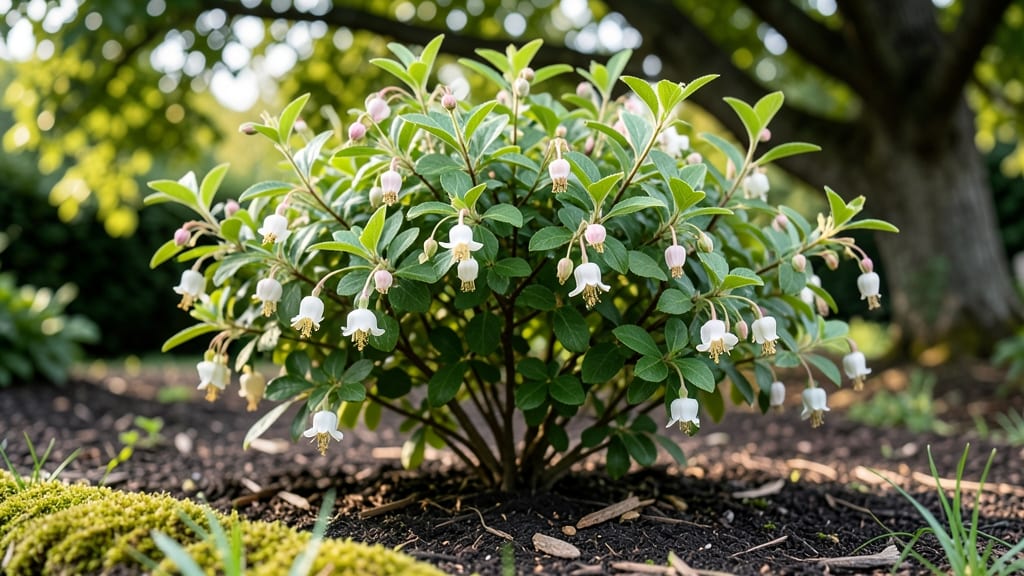
Spring is when blueberry bushes wake up hungry, and pruning them the right way means double the berries by summer. I’ve watched my bushes go from scraggly to bursting with fruit just by following these three simple cuts—no green thumb required.
The key is timing: prune right after the last frost when new growth starts, but before buds swell. Remove dead wood first (it’s easy to spot—it’s brown and brittle), then cut back last year’s growth by about a third.
That’s where the magic happens: more energy for fruit, fewer crowded branches. You’ll see fresh green shoots within weeks, and by midsummer, your bush will be heavy with juicy, deep-blue berries. The best part?
This method works for both highbush and rabbiteye varieties, whether you’ve got one plant or a whole row. Skip the guesswork with my step-by-step guide—no more wondering if you’re over-pruning or under-pruning. Let’s get those bushes ready for their best harvest yet!
📚 In This Guide
- What you need
- Instructions
- Tips and common mistakes
- Wrapping up and next steps
What you need
- ● Pruning shears: Sharp, bypass-style shears (avoid anvil shears—they crush stems). Recommended: Felco F-2 or similar (10–12" blade length).
- ● Loppers: For thicker branches (up to 1.5" diameter). Look for ratchet-style loppers for ease (e.g., Corona 5275).
- ● Gloves: Heavy-duty, cut-resistant gloves (e.g., Mechanix Wear M-Pact) to protect from thorns and sap.
- ● Disinfectant: 70% isopropyl alcohol or a 10% bleach solution (1 part bleach to 9 parts water) to sterilize tools between cuts.
- ○ Pruning sealant (optional): For large cuts (>0.5" diameter), use a tree wound sealant (e.g., Tanglefoot Tree Wound Pruning Seal).
- ● Trash bags or bucket: For collecting pruned branches (5–10 gallon capacity).
- ● Measuring tape: 6–10 ft tape for assessing branch thickness and spacing.
- ● Weather check: Prune on a dry, cloudy day (avoid midday sun to reduce stress on the bush). Ideal temps: 50–70°F (10–21°C).
- ● Tool sharpening: Hone shears/loppers with a file or sharpening stone for clean cuts.
- ● Water source: A hose or watering can to hydrate the bush post-pruning (1–2 gallons per mature bush).
- ○ Safety gear (optional but smart): Sunglasses (to shield from debris).
- ● Long sleeves/pants (to protect from thorns and sap).
- ● Blueberry bush ID: Confirm the bush’s variety and age (e.g., rabbiteye, highbush, or lowbush) for tailored pruning. Pro tip: Younger bushes (gentler pruning!
Instructions for pruning blueberry bushes in spring
Here's how to shape your bushes for bigger harvests—no guesswork, just proven techniques.
Identify Last Year's Fruit and Remove It
Blueberries grow on last year's wood, so any branches that bore fruit last summer are done for this year. Grab your pruners and cut these branches back to the ground. Look for old canes with clusters of dried berries or small buds—they won’t produce again, and removing them opens the center for air flow and sunlight.
I always start with the oldest canes first, working my way outward. These are the thickest branches, often with rough bark. If you’re unsure, snap a branch—if it’s brittle and hollow inside, it’s time to remove it. This step prevents disease and keeps the bush productive.
Thin Out Crowded Canes
Blueberry bushes thrive when they have space. Aim to leave about 5-7 strong, healthy canes per bush, spaced evenly around the center. Cut back any thin, weak, or crossing branches at the base. These compete for nutrients and reduce fruit quality.
Here’s the trick: hold the cane and look for a bud facing outward. Cut just above that bud at a 45-degree angle to prevent water from pooling. If you see a cane growing straight into the center, remove it entirely—it’ll never get enough light to fruit.
Prune for Shape and Air Flow
Step back and examine the bush. You want an open, vase-like shape with sunlight reaching the center. Trim any branches that grow inward or rub against others. Use your pruners to make clean cuts, avoiding jagged edges that can invite pests.
Pay special attention to the top of the bush. If it’s getting too tall, cut back the tallest canes by one-third to encourage bushier growth. This also makes picking berries easier—no more reaching for your back!
Clean Up and Apply Mulch
After pruning, rake up all the clippings and dispose of them in the trash—not the compost pile. Blueberry prunings can harbor diseases that spread back to the bush. Once the area is clear, spread a 2-3 inch layer of organic mulch around the base, keeping it 6 inches away from the trunk.
This mulch locks in moisture, regulates soil temperature, and slowly releases nutrients as it breaks down. I use pine straw because it’s acidic, which blueberries love, but shredded leaves or wood chips work too. Water deeply after mulching to settle everything in place.
Fertilize for Strong New Growth
Blueberries are hungry plants, especially after pruning. Use a balanced, acidic fertilizer (like 10-10-10 with sulfur) in early spring, following the package rates. Spread it evenly over the root zone and water it in well. Avoid over-fertilizing—too much nitrogen leads to leafy growth at the expense of fruit.
Here’s the secret: mix a handful of cottonseed meal or peat moss into the soil around the drip line. These add organic matter and keep the soil acidic, which is critical for blueberry health. Monitor the soil pH—aim for 4.5-5.5. If it’s higher, amend with sulfur gradually over a few months.
Tips & tricks for perfect blueberry bush pruning
Pruning blueberry bushes might seem intimidating, but these simple tricks will help you transform your garden this spring.
Timing is Everything: Prune your blueberry bushes in late winter or early spring, just as new buds begin to swell but before leaves emerge. This timing ensures you're cutting back last year's fruit-bearing canes while allowing new growth to establish. I always aim for early March in my zone 6 garden—right when the forsythia starts blooming. This window gives your bush time to recover before summer heat sets in.
Tool Selection Matters: Use sharp, clean pruners to make precise cuts—dull tools crush stems and invite disease. I keep a dedicated pair of pruners just for my blueberries and disinfect them with rubbing alcohol between uses. For thicker canes, a pruning saw works best. Always cut at a 45-degree angle just above an outward-facing bud to encourage healthy growth and prevent water pooling that can cause rot.
Visual Pruning Cues: When thinning canes in Step 2, look for three key indicators of a healthy cane: smooth bark, vibrant green leaves, and a diameter of at least pencil thickness. Thin canes often have rough bark and produce fewer berries. In Step 3, when shaping the bush, imagine sunlight streaming through—your goal is to create an open center that catches morning sun while protecting delicate flowers from harsh afternoon rays.
Pro Tips for Blueberry Bush In Spring
- Pruning blueberry bushes might seem intimidating, but these simple tricks will help you transform your garden this sp...
- Timing is Everything: Prune your blueberry bushes in late winter or early spring, just as new buds begin to swell but...
- Tool Selection Matters: Use sharp, clean pruners to make precise cuts—dull tools crush stems and invite disease. I ke...
Frequently asked questions
When is the best time to prune a blueberry bush in spring?
The ideal window is late winter to early spring (just before buds swell but before leaves emerge). For most regions, this means February to March. Avoid pruning too early—frost can damage fresh cuts—or too late, which may stress the plant before fruiting season. Pro tip: If your area has unpredictable springs, wait until after the last frost.
How do I know which branches to cut back on a blueberry bush?
Focus on three key areas:
- Dead or diseased wood—cut these out first to prevent spread.
- Crossing or rubbing branches—remove one to improve airflow.
- Overly crowded stems—thin to 5–7 main canes for dwarf varieties or 10–12 for larger bushes.
Always cut back to a bud or outward-facing branch to encourage growth.
What if I missed spring pruning? Can I still shape my blueberry bush?
Yes! Light pruning after harvest (summer) is better than none—just avoid heavy cuts. Focus on:
- Removing fruit-laden canes (they’ve given their yield).
- Trimming new growth to encourage bushier structure.
For major reshaping, wait until dormant season (late fall/winter).
Will pruning my blueberry bush reduce next year’s fruit?
Not if done correctly! Pruning boosts fruit production by:
- Improving air circulation (fewer fungal diseases).
- Redirecting energy to healthier canes (more berries!).
- Encouraging younger wood, which bears the sweetest fruit.
Warning: Over-pruning (cutting >30% of the bush) can temporarily reduce yield.
Why are my blueberry leaves yellowing after pruning?
Yellow leaves post-pruning are usually normal stress, but check for:
- Over-pruning—reduce cuts next time.
- Nutrient deficiency (especially iron or nitrogen). Try a balanced fertilizer or compost.
- Pests/disease—inspect for aphids, spider mites, or fungal spots.
If leaves are only on new growth, it’s likely environmental stress (e.g., drought or heat). Water deeply and mulch to retain moisture.
Wrapping up and next steps
Spring is your blueberry bush’s best friend—with the right pruning, you’re setting the stage for a burst of juicy, sweet berries this summer! 🌱 Remember, the key is patience and precision: remove dead wood, thin out crowded branches, and shape with care.
Whether you’re a first-timer or a seasoned gardener, these steps will keep your bush thriving for years to come.
Now that you’re armed with the know-how, roll up your sleeves and get pruning! Grab your tools, step outside, and give your blueberry bush the love it deserves. Before you know it, you’ll be harvesting a bountiful crop—perfect for pies, smoothies, or just snacking fresh from the vine. Happy gardening! 🍇✨