
Pruning
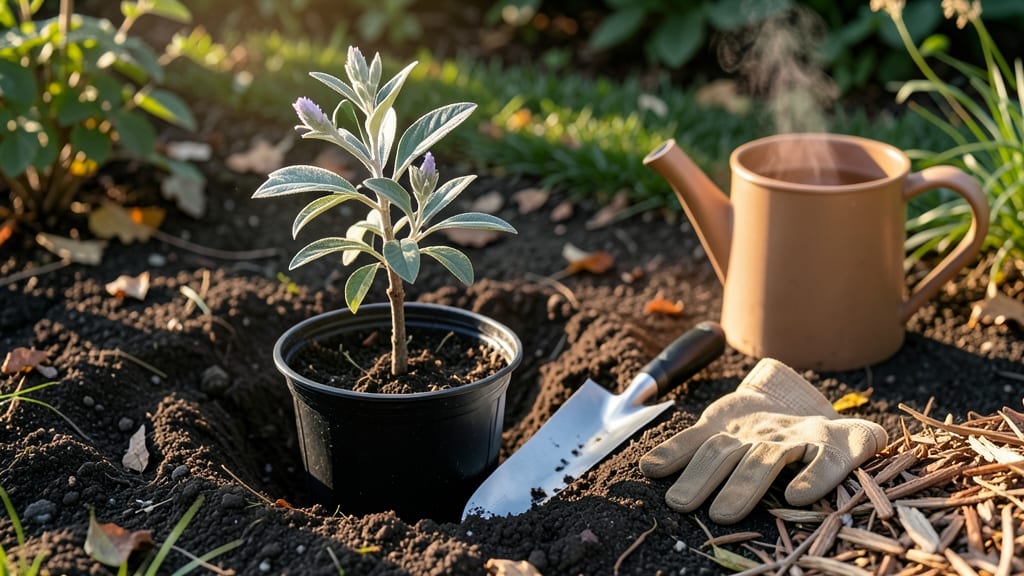
Transforming your yard with the butterfly bush planting and care turns it into a pollinator paradise. 🌿 I learned the hard way that the right spot and a few smart cuts keep these plants blooming from early summer through fall—no fancy tricks, just proven techniques.
The secret starts with well-draining soil and full sun (at least 6 hours daily), but even my shady corner bush thrives with a little patience. After planting, water deeply once a week unless it rains, and watch those purple spikes emerge within weeks.
Pruning is where the magic happens: cut back one-third in late winter, then trim again after each bloom cycle. This keeps the plant compact and flowers coming all season. The butterflies will thank you with daily visits. Works for any climate zone 5-9, from small containers to large landscapes.
Let’s get your bush thriving!
📚 In This Guide
- What you need
- Instructions
- Tips and common mistakes
- Wrapping up and next steps
What you need
- ● Butterfly bush plants: 1-3 nursery-grown plants (choose disease-resistant varieties like Butterfly Bush 'Lo & Behold®' or 'Miss Ruby' for vibrant blooms).
- ● Well-draining soil: Mix 60% native soil with 40% compost or potting mix (amend heavy clay with perlite or sand).
- ● Fertilizer: Slow-release granular fertilizer (10-10-10 ratio) or organic options like composted manure (apply 2-3 lbs per 100 sq ft).
- ● Mulch: 2-3 inches of organic mulch (shredded bark or wood chips) to retain moisture and suppress weeds.
- ● Garden gloves: A pair of durable, breathable gloves (e.g., Fiskars or Gloves USA).
- ● Trowel or spade: A sturdy hand trowel for planting or a round-point shovel for larger holes (12-18 inches deep).
- ● Watering can or hose: With a gentle spray nozzle (butterfly bushes dislike soggy roots!).
- ● Pruning shears: Bypass pruners (sharp, 5-7 inch blades) for clean cuts during planting and maintenance.
- ● Soil test kit: To check pH (ideal range: 6.0-7.0) and adjust with lime or sulfur if needed.
- ● Plant support: A small stake (4-5 ft tall) for young plants in windy areas.
- ● Drip irrigation system: For consistent moisture, especially in hot climates.
- ● Plant food spikes: Slow-release spikes for added nutrients (follow package instructions).
- ● Pest control: Neem oil or insecticidal soap (if aphids or spider mites become an issue).
Step-by-step instructions for planting and caring for butterfly bush
Here's how to grow a thriving butterfly bush that attracts pollinators year after year.
🌱 Step 1: Choose the Perfect Planting Location
Butterfly bushes thrive in full sun—at least 6 hours of direct sunlight daily. I always pick the sunniest spot in my yard because they reward you with more blooms when they get plenty of light. The soil should drain well, so avoid low spots where water pools after rain.
Dig a hole twice as wide as the root ball but no deeper. Loosen the roots gently if they're circling tightly in the container—this encourages them to spread into the surrounding soil. Mix a handful of compost into the native soil at the bottom of the hole to give your bush a nutrient boost right from planting.
☀️ Step 2: Plant at the Right Depth and Water Thoroughly
Position the plant so the top of the root ball sits 1 inch above ground level. This prevents soil from settling and burying the stem later. Fill the hole with native soil, pressing gently to remove air pockets but not compacting too tightly.
Water immediately after planting until the soil is evenly moist 6-8 inches deep. You'll know it's right when water runs out the bottom of the hole. Mulch around the base with 2-3 inches of organic mulch, keeping it 3 inches away from the stem to prevent rot. This helps retain moisture and regulates soil temperature.
✂️ Step 3: Prune for Shape and Encourage Blooms
First-year plants need minimal pruning—just remove any dead or crossing branches in early spring. In subsequent years, cut back 1/3 of the oldest stems to the ground in late winter before new growth begins. This rejuvenates the plant and makes room for fresh, vigorous growth.
After flowering, trim back 1/2 of the current year's growth to encourage a second flush of blooms. I always use clean, sharp pruners to make cuts just above a leaf node. Avoid cutting into old wood—new growth only comes from current season's stems.
💧 Step 4: Water and Fertilize for Year-Round Health
Water deeply once weekly during the first growing season, allowing the top 2-3 inches of soil to dry slightly between waterings. Mature plants are more drought-tolerant but still need 1 inch of water weekly during dry spells. You'll see wilting leaves when it's time to water again.
Feed with a balanced 10-10-10 fertilizer in early spring and again after the first flush of blooms. I use slow-release granules for convenience, spreading them evenly over the root zone and watering them in. Avoid high-nitrogen fertilizers—they promote leafy growth at the expense of flowers.
🪴 Step 5: Protect and Maintain Through Seasons
In fall, cut back all stems to 6-12 inches tall to prevent damage from winter winds. Wrap young plants in burlap if your winters drop below 0°F, but established bushes usually handle cold just fine. I always check for overwintering pests like scale and treat if I see sticky residue on stems.
Watch for powdery mildew in humid summers—it shows up as white fuzzy spots on leaves. Improve airflow by pruning crowded branches and apply neem oil if needed. With proper care, your butterfly bush will reward you with vibrant blooms from early summer through fall, keeping pollinators buzzing all season long.
Tips & tricks for perfect butterfly bush planting
Here's what nobody tells you about getting that first flush of blooms—and keeping them coming.
Sunlight Secret: That 6 hours of sunlight is non-negotiable, but here's the thing: morning sun is more valuable than afternoon. East-facing locations give you gentle warmth without the intense heat of west-facing spots. If you're planting in a partially sunny area, prioritize the east side of your yard for maximum bloom potential.
Root Ball Rescue: When you're loosening those circling roots in Step 1, don't just pull them apart—make small vertical cuts with your fingers or a knife to encourage outward growth. This simple step prevents "root-bound shock" and helps your butterfly bush establish itself faster. Think of it as giving your plant's roots a fresh start before they even hit the ground.
Watering Wisdom: The 6-8 inches of moist soil after planting isn't just about immediate hydration—it's about creating the perfect transition zone. Water deeply again after 3-4 days to encourage root expansion into that moist layer. This two-step watering creates a moisture gradient that roots naturally follow downward, establishing a strong foundation.
Pruning Precision: When you're cutting back that 1/3 of oldest stems in late winter, look for stems that are thinner and have fewer buds. These are your "energy vampires"—they're sucking resources from the plant without contributing much. The thicker stems with plenty of buds are your future bloomers, so give them priority space to grow.
Pro Tips for Butterfly Bush Planting And Care
- Here's what nobody tells you about getting that first flush of blooms—and keeping them coming.
- Sunlight Secret: That 6 hours of sunlight is non-negotiable, but here's the thing: morning sun is more valuable than ...
- Root Ball Rescue: When you're loosening those circling roots in Step 1, don't just pull them apart—make small vertica...
Frequently asked questions
Got questions about keeping your butterfly bush thriving? Here are answers to the most common ones—so you can enjoy those vibrant blooms all season long!
When is the best time to plant a butterfly bush?
The ideal time to plant a butterfly bush is in early spring or early fall, when soil temperatures are mild. This gives roots time to establish before extreme heat or cold sets in. If you must plant in summer, keep the soil consistently moist and provide afternoon shade to reduce stress.
Why aren’t my butterfly bush flowers lasting long?
Short-lived blooms often mean it’s time for a pruning refresh! Deadhead spent flowers regularly, and prune back 1/3 of the plant in early spring to encourage new growth. Over-fertilizing with high-nitrogen feed can also reduce flowering—opt for a balanced bloom booster instead.
How do I protect my butterfly bush from pests?
Butterfly bushes are generally pest-resistant, but watch for aphids, spider mites, or Japanese beetles. Blast off pests with a strong spray of water, or use neem oil for organic control. Healthy plants with proper spacing and airflow deter most issues—so avoid overcrowding!
Can I grow a butterfly bush in a container?
Yes! Choose a large container (at least 18 inches deep) with drainage holes and use a well-draining potting mix. Dwarf varieties like ‘Lemon Slush’ or ‘Fast Track’ work best. Move containers indoors or to a sheltered spot if winter temps drop below 10°F.
How cold-hardy are butterfly bushes?
Most varieties tolerate USDA Zones 5–9, with some (like ‘Purple Smoke’) surviving down to -20°F. In colder zones, mulch heavily around the base in fall and prune back dead growth in early spring. Evergreen varieties may need winter protection in harsh climates.
Wrapping up and next steps
Planting and caring for a butterfly bush is a rewarding way to attract pollinators and add vibrant color to your garden! With the right location, soil, and seasonal pruning—especially those 4 key cuts—you’ll enjoy lush blooms year after year.
Don’t wait for spring; start your garden transformation today by choosing a healthy plant and giving it the love it deserves.
Ready to roll up your sleeves? Grab your pruners, mark your calendar for those essential cuts, and watch your butterfly bush thrive into a pollinator paradise! 🌿🦋