
Shrubs
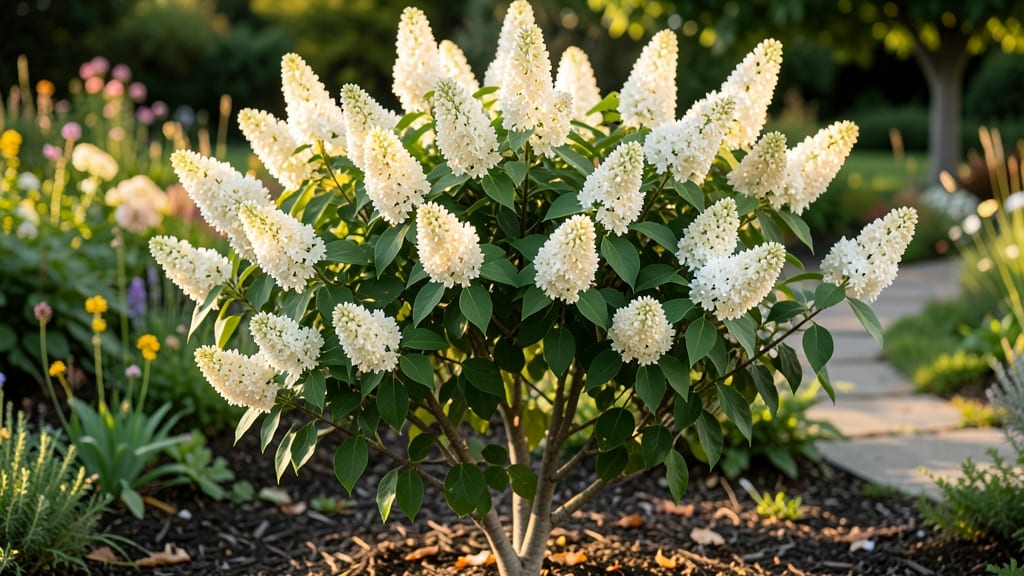
The common white lilac bush delivers fragrant perfection with its snow-white blooms and intoxicating scent—no fancy tricks required. 🌿 I've grown mine for years, and it thrives with almost no fuss, just a few key steps that guarantee lush, fragrant blooms every spring.
This hardy shrub loves full sun and well-drained soil, but it's surprisingly forgiving—even my first-year attempt with less-than-ideal conditions produced stunning flowers. The secret? Plant it in sunny spots, water moderately, and prune lightly after blooming to keep it compact and healthy.
You'll be rewarded with clusters of fragrant blossoms that fill the air for weeks.
📚 In This Guide
- What you need
- Instructions
- Tips and common mistakes
- Wrapping up and next steps
What you need
- ○ 1–3 common white lilac plants (nursery-grown, 1–3 years old, 2–3 ft tall for best results). Optional: Seeds or hardwood cuttings (if propagating from scratch).
- ● Well-draining soil mix (60% garden soil, 30% compost, 10% perlite or sand for aeration).
- ● Organic mulch (2–3 inches of shredded bark or wood chips to retain moisture).
- ○ Balanced fertilizer (10-10-10 or 20-20-20, optional but recommended for established plants).
- ● Watering can or hose with a gentle spray nozzle (lilacs hate soggy roots!).
- ● Garden trowel or spade (for digging planting holes).
- ● Pruning shears (sterilized, sharp blades for clean cuts).
- ● Measuring tape or ruler (to ensure proper spacing: 6–10 feet apart for mature bushes).
- ● Gloves (to protect hands from thorns and soil).
- ○ Stakes & twine (optional, for young plants in windy areas).
- ● A sunny location (full sun, 6+ hours daily). Lilacs thrive in USDA Zones 3–7.
- ● Soil with a pH of 6.0–7.0 (test with a soil kit if unsure).
- ● Patience! Lilacs grow slowly but reward you with decades of blooms.
Step-by-step guide to planting and establishing a common white lilac bush
Here's how to get your fragrant lilac bush thriving with confidence—no green thumb required.
🌱 Step 1: Choose the Perfect Planting Location
Lilacs adore full sun, so pick a spot that receives at least 6-8 hours of direct sunlight daily. I always check the site in late afternoon when shadows are longest—this helps me visualize how sunlight will shift through the seasons. Avoid low spots where cold air settles, as lilacs are tender to late frosts.
The soil should drain well but retain moisture—lilacs hate soggy roots. If your soil feels compacted or stays wet after rain, amend it with 2-3 inches of compost mixed into the top 12 inches. Dig a hole twice as wide as the root ball but only as deep—planting too deep suffocates the roots and prevents proper growth.
🌿 Step 2: Plant at the Right Time and Depth
Spring or early fall are ideal planting times—lilacs establish roots best when temperatures are mild. I like to plant in early spring after the last frost, giving roots 6-8 weeks to settle before summer heat arrives. Remove the plant from its container and gently loosen any circling roots with your fingers.
Place the lilac in the hole so the top of the root ball sits 1 inch above ground level. This ensures proper drainage and prevents rot. Backfill with native soil, tamping lightly every 2 inches to eliminate air pockets. Water deeply right after planting—this helps soil settle and removes any air gaps around the roots.
☀️ Step 3: Water and Mulch for Strong Establishment
Water your lilac 1-2 times weekly for the first 2 months, keeping the soil consistently moist but never soggy. You'll know it's right when the top 2 inches of soil feel damp but not waterlogged. Overwatering is the fastest way to kill a lilac—it's far better to underwater slightly than drown the roots.
Apply 2-3 inches of mulch around the base, keeping it 3-4 inches away from the trunk to prevent rot. I use shredded bark or wood chips because they break down slowly and improve soil structure over time. Mulch also helps regulate soil temperature and reduces water evaporation during hot spells.
✂️ Step 4: Prune Strategically for Health and Bloom
Lilacs bloom on old wood, so prune immediately after flowering to avoid cutting off next year's buds. I wait until 2-3 weeks after blooms fade—this gives the plant time to set next season's flower buds. Remove only dead, diseased, or crossing branches with clean, sharp pruners. Never prune more than 1/3 of the plant at once.
Shape the bush by cutting back to an outward-facing bud just above a leaf node. This encourages outward growth and better air circulation. Avoid heavy pruning in the first 2-3 years—young lilacs need all their energy focused on root and branch development, not just flowers.
🌱 Step 5: Maintain for Long-Term Fragrance and Beauty
Fertilize lightly in early spring with a 10-10-10 balanced fertilizer, applying ½ cup per year of plant maturity. Lilacs aren't heavy feeders, so too much fertilizer leads to weak growth and fewer flowers. Water deeply after fertilizing to help nutrients reach the roots.
Monitor for pests like borers or aphids—early signs include yellowing leaves or sticky residue on stems. Treat with neem oil if needed, but lilacs are generally low-maintenance and rarely suffer from serious pests. With proper care, your white lilac will reward you with heavy, fragrant blooms for decades.
Tips & tricks for perfect common white lilac bush establishment
Here's what nobody tells you about growing a thriving white lilac from day one.
Sunlight Insight: While 6-8 hours of sunlight is ideal, don't panic if your site gets slightly less. Lilacs can adapt to 5 hours of direct sun, though they may produce fewer blooms. I've seen healthy lilacs in partial shade near fences or buildings—just avoid deep shade where they'll struggle to develop. The key is morning sun exposure, which helps dry dew quickly and prevents fungal issues.
Soil Preparation Secret: The 2-3 inches of compost recommendation is non-negotiable for heavy clay soils, but for sandy soils, mix in 25% peat moss instead. This creates the perfect balance of moisture retention and drainage. I always test soil drainage by digging a hole, filling it with water, and checking how quickly it drains—if it takes more than 2 hours, you need more compost or sand.
Planting Depth Visual: That 1-inch above ground level rule is crucial. Imagine the root flare (where roots spread from the trunk) should sit just above soil level. If you bury it deeper, you'll suffocate the plant; if you plant too shallow, roots will dry out. I use a small stick to mark the correct depth before planting—trust me, this simple trick prevents years of frustration.
Watering Wisdom: The 1-2 times weekly guideline assumes average rainfall. During summer droughts, increase to daily watering in the morning to prevent stress. I check moisture by sticking my finger 2 inches into the soil—if it's dry at that depth, it's time to water. Overwatering is the silent killer of lilacs, so always let the topsoil dry slightly between waterings.
Pro Tips for Common White Lilac Bush
- Here's what nobody tells you about growing a thriving white lilac from day one.
- Sunlight Insight: While 6-8 hours of sunlight is ideal, don't panic if your site gets slightly less. Lilacs can adapt...
- Soil Preparation Secret: The 2-3 inches of compost recommendation is non-negotiable for heavy clay soils, but for san...
Frequently asked questions
Got questions about growing and caring for your common white lilac bush? You’re not alone! Here are some of the most frequently asked questions to help you nurture this fragrant beauty with confidence.
When is the best time to plant a common white lilac bush?
The ideal time to plant your lilac is in early spring or early fall when the soil is workable but not frozen. This gives the roots time to establish before extreme heat or cold sets in. Avoid planting in summer heat—it stresses young plants!
How often should I prune my common white lilac bush?
Prune your lilac once a year, right after flowering (late spring to early summer). This encourages bushier growth and more blooms next year. Avoid heavy pruning—just shape lightly and remove dead or crossing branches. Pro tip: Never prune in fall or winter, as it can stimulate late growth vulnerable to frost damage.
Why aren’t my lilac flowers as fragrant as they should be?
Fragrance can fade due to over-fertilizing (especially with nitrogen-heavy feeds), poor air circulation, or stress from pests/disease. Ensure your bush gets full sun (6+ hours/day) and well-draining soil. If needed, trim nearby dense foliage to improve airflow and boost scent.
What pests or diseases should I watch for with common white lilacs?
Lilacs are generally tough, but keep an eye out for:
- Aphids: Tiny green/black bugs that cluster on stems. Blast them off with water or use insecticidal soap.
- Powdery mildew: White fungal coating on leaves (common in humid climates). Improve airflow and treat with neem oil.
- Borers: Look for sawdust-like frass or holes in stems. Prune infected branches and treat with systemic insecticide.
Prevention is key—mulch properly and avoid overhead watering!
Can I grow a common white lilac bush in a container?
Yes! Lilacs thrive in containers if you choose a large pot (at least 18–24 inches wide) with drainage holes. Use a well-draining potting mix and repot every 2–3 years. Place the container in full sun and water regularly—containers dry out faster than ground soil. Just be prepared for slightly smaller blooms compared to in-ground plants.
Wrapping up and next steps
Growing a common white lilac bush is a rewarding journey that brings beauty, fragrance, and low-maintenance charm to your garden. With its minimal pruning needs and stunning blooms, this hardy shrub is perfect for both beginners and seasoned gardeners alike.
Whether you’re drawn to its easy care or its timeless elegance, your lilac bush will thrive with just a little attention—and soon, you’ll be enjoying its sweet, intoxicating scent for years to come.
Ready to transform your outdoor space? Start by planting your lilac bush this season, and don’t forget to share your progress with fellow gardening enthusiasts! 🌸✨