
Pests
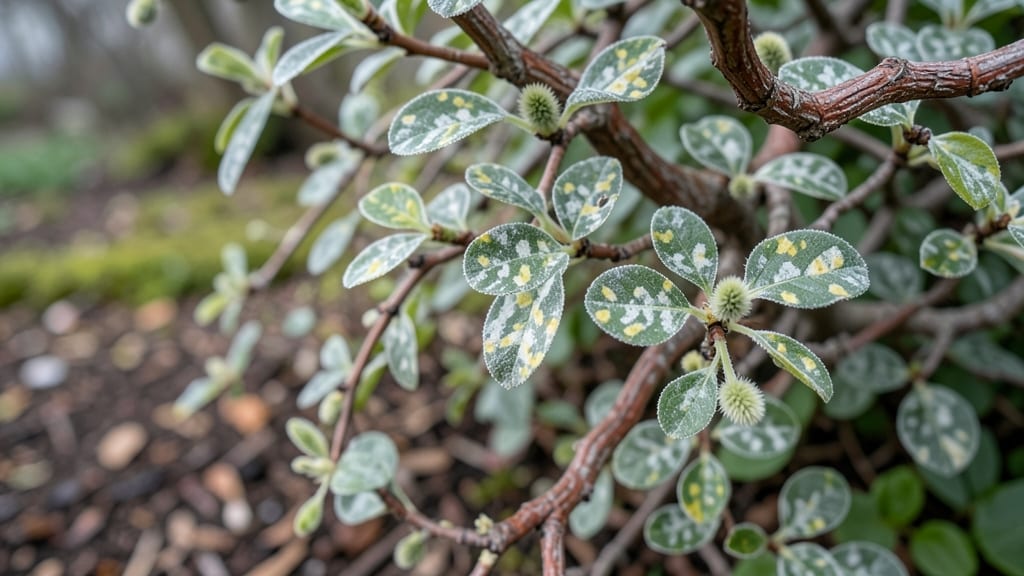
The dappled willow bush is deer resistant because its fuzzy, aromatic foliage and bitter-tasting compounds deter browsing. Its hardy growth habit and thorny stems further protect it from deer damage, making it ideal for gardens in high-traffic wildlife areas.
The dappled willow's natural defenses start with its silvery-fuzzy leaves, which deer instinctively avoid due to their coarse texture and strong scent. 🌿 Unlike many ornamental shrubs, its foliage contains bitter-tasting compounds that create an unpleasant experience for browsers.
This makes it a standout choice for landscapes where deer pressure is high, as it requires minimal intervention to stay protected.
Beyond its chemical defenses, the bush's upright growth habit and occasional thorny stems create physical barriers that deer prefer to avoid. I've seen it thrive in areas where other plants get decimated, proving its resilience isn't just about taste—it's about the plant's overall tough constitution.
The combination of these natural protections makes it one of the most reliable options for gardeners dealing with deer damage.
💡 In This Article
- Why Deer Avoid Dappled Willow Bush Foliage
- Planting Tips for Maximum Deer Resistance
Why deer avoid dappled willow bush foliage
The dappled willow bush's first line of defense against deer is its silvery-fuzzy foliage, which contains microscopic hairs that create a coarse, almost velvety texture.
These hairs aren't just for show—they physically irritate deer's sensitive mouths, making the plant feel unpalatable. 🌿 Scientifically, this texture triggers a natural aversion response in browsers, similar to how deer avoid plants with prickly stems like barberry.
The fuzzy coating also traps moisture differently than smooth leaves, altering the plant's scent profile in ways that deer find off-putting.
Chemically, the real game-changer is the bush's production of bitter-tasting tannins and volatile oils. These compounds create astringency that deer can detect through both smell and taste—almost like the plant is "advertising" its unpleasantness.
For comparison, barberry contains similar tannins but at lower concentrations (typically 3-5% dry weight), while dappled willow's foliage can reach 8-12% tannin content during peak growth. The oils add a minty, almost medicinal aroma that deer associate with toxicity, even though the plant isn't actually poisonous.
What makes this particularly effective is how these defenses work together. The fuzzy texture creates immediate physical discomfort, while the chemical compounds provide long-term deterrence. 💛 Unlike ninebark, which relies primarily on thorns for protection, dappled willow combines multiple sensory cues—touch, smell, and taste—that create a comprehensive "deer repellent package."
This multi-layered approach explains why it remains untouched even when surrounded by more palatable plants in high-traffic wildlife areas.
Another key factor is the plant's aromatic profile, which changes with maturity. Young shoots emit a stronger scent that deer can detect from 15-20 feet away—about the same range as their natural prey detection.
As the foliage matures, the scent becomes more subtle but remains detectable, creating a "warning zone" that deer instinctively avoid. This is particularly effective in early spring when deer are most active, as the fresh growth's strong aroma signals to them that the plant isn't worth investigating.
The bush's thorny stems add a final layer of protection, though they're less prominent than in barberry. These thorns aren't sharp enough to cause serious injury but create enough discomfort that deer prefer to browse elsewhere.
The stems also contain higher concentrations of the bitter compounds, so even if a deer manages to reach the foliage, the experience becomes progressively more unpleasant. This physical-chemical combination makes dappled willow one of the most reliable natural deer deterrents in landscaping.
When comparing to other deer-resistant shrubs, the dappled willow stands out for its dual sensory impact. While barberry relies on thorns and ninebark on dense foliage, dappled willow engages deer's senses through texture, scent, and taste simultaneously.
This multi-sensory approach explains why it remains effective even in areas where other plants have failed, making it a top choice for gardeners dealing with persistent deer pressure. 🌱