
Shrubs
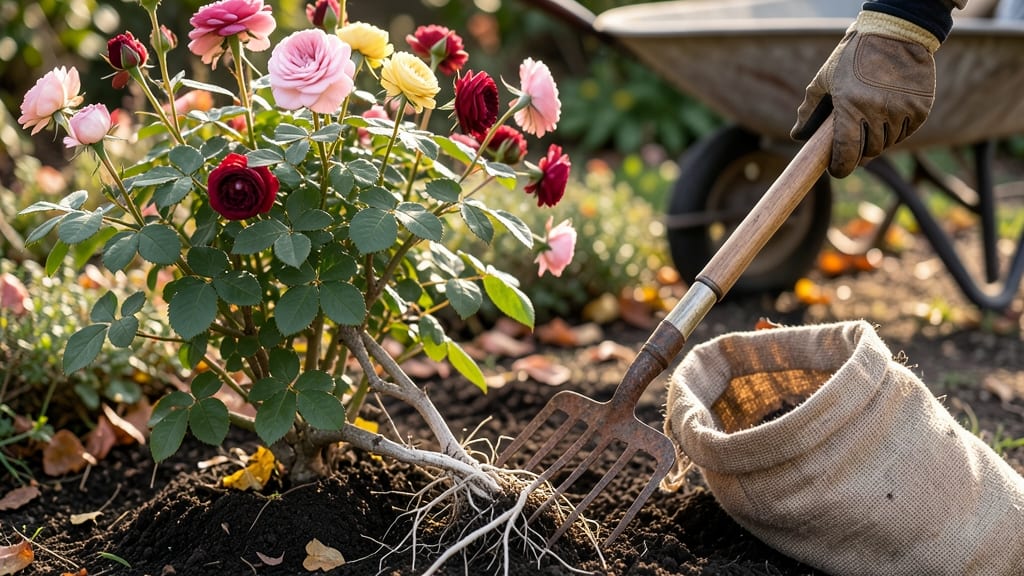
Digging up rose bushes without wrecking the roots is the difference between a thriving transplant and a sad pile of broken stems. 🌹 I’ve moved roses three times now, and the first attempt left me with a plant that took a year to recover—so I learned the hard way what works.
The secret isn’t brute force; it’s patience, timing, and knowing how to handle those delicate roots.
You’ll need a few simple tools: a sharp spade, pruners, burlap or landscape fabric, and a wheelbarrow or tarp for moving the plant. The best time to dig is late fall or early spring when the rose is dormant—never in summer heat or winter freeze.
Start by pruning back the foliage to reduce stress, then dig a trench around the bush to loosen the soil gradually. This prevents roots from snapping when you finally lift the plant.
Once the root ball comes free, wrap it in burlap to protect the roots from drying out, and keep it moist until replanting. After transplanting, water deeply and stake if needed—your rose should bounce back with proper care.
The payoff? A bush that looks like it never moved, with blooms returning just as strong as before.
For stubborn roots or rocky soil, rent a transplanting spade or use a garden fork to break up compacted earth. If you’re moving roses in summer, dig at dusk to avoid heat stress.
With these steps, even the most delicate roses will make it through the move unscathed—and you’ll have a garden full of happy, blooming bushes by next season.
📚 In This Guide
- What you need
- Instructions
- Tips and common mistakes
- Wrapping up and next steps
What you need
- ● Shovel or spade: A sharp, sturdy digging shovel (18–24 inches wide) or a transplant spade (for cleaner edges).
- ● Pruning shears or loppers: For trimming dead or damaged canes (sterilized with rubbing alcohol).
- ● Garden hose or watering can: To keep roots moist during the process (at least 5 gallons of water).
- ○ Burlap or landscape fabric: A 4–6 ft wide roll to wrap roots for transport (optional but helpful for larger bushes).
- ● Root stimulator or mycorrhizal fungi: A powder or liquid (like Rootone) to encourage regrowth.
- ● Garden twine or zip ties: To secure burlap around the root ball.
- ● Wheelbarrow or tarp: For moving the bush (a 4x6 ft tarp works for smaller plants).
- ● Garden fork: For loosening compacted soil around the roots.
- ● Wheelbarrow with a flatbed: For heavy or oversized rose bushes.
- ● Soil moisture meter: To check root moisture before transplanting.
- ● Compost or aged manure: To amend the new planting hole (1–2 gallons).
Step-by-step instructions for digging up rose bushes
Here’s how to move your roses without shocking them—keeping roots intact and plants thriving.
🪴 Step 1: Prepare the New Location First
Choose a spot with 6+ hours of sun and well-draining soil. Roses hate soggy roots, so if your new area has heavy clay, mix in 2-3 inches of compost and a handful of sand to improve drainage. I dig the planting hole twice as wide and deep as the root ball—this gives roots room to spread without bending.
Water the new hole thoroughly 24 hours before transplanting. This ensures the soil is moist and ready to receive the roots without drying them out. If your climate is hot or dry, water again right before moving the plant. The goal is to keep everything evenly hydrated so the rose doesn’t go into shock.
✂️ Step 2: Prune and Loosen the Roots
Start by pruning the rose back by one-third—cut just above a healthy outward-facing bud. This reduces stress and encourages fresh growth once replanted. Next, use a sharp spade to dig a 12-inch circle around the base, slicing through roots but not severing them completely.
Gently rock the bush back and forth to loosen the root ball. If the roots are tightly bound, use your hands to tease them apart—this prevents circling roots that can strangle the plant later. I wrap the loosened root ball in a burlap sack or old towel to protect it while digging deeper. Never pull the bush by the stems; always lift by the base.
💧 Step 3: Lift and Transport the Rose
Dig deeper until you can slide the spade under the root ball, then lift the entire plant out. Shake off excess soil but leave the root ball intact—don’t wash or trim roots now. If you’re moving the rose a long distance, keep it in the shade and water the root ball every 2-3 hours to prevent drying.
For short moves, carry the bush by the root ball, not the stems. Place it in the pre-dug hole, spreading roots outward naturally. Fill in with soil, tamping gently to remove air pockets. Water deeply immediately—this helps settle the soil and rehydrates roots. Avoid fertilizing for 4-6 weeks; the plant needs time to recover before feeding.
☀️ Step 4: Aftercare for a Smooth Recovery
Keep the soil consistently moist (not soggy) for 2-3 weeks2-3 inches of organic mulch to retain moisture and regulate temperature. I avoid heavy mulch right against the stem—leave a 2-inch gap to prevent rot.
Watch for new growth in 4-6 weeks
Tips & tricks for perfect rose bush transplants
Moving roses can be tricky, but these simple strategies ensure your plants thrive in their new home.
Timing is Everything: The 24-hour pre-watering of the new hole is non-negotiable. I've seen roses struggle when transplanted into dry soil—it's like moving a houseplant without watering it first. For extra insurance, test the soil moisture by squeezing a handful: if it crumbles, it's ready. If it stays clumped, water again. This step prevents transplant shock that can kill your rose before it even takes root.
The Pruning Secret: When you prune back by one-third in Step 2, always cut at a 45-degree angle just above an outward-facing bud. This isn't just about aesthetics—it creates a natural water channel and encourages new growth in the right direction. I've made the mistake of cutting too close to buds, which led to ugly regrowth. Also, if your rose is particularly leggy, you can prune up to one-half, but never more—this risks over-stressing the plant.
Root Ball Protection: That burlap sack or towel around the root ball isn't just for show. It prevents root damage during transport and helps maintain moisture. For longer moves, I've even wrapped the entire wrapped root ball in plastic wrap for extra protection. Just remember to remove any plastic before planting—roots need to breathe immediately after transplanting. This simple step can mean the difference between a thriving rose and one that struggles to recover.
Aftercare Matters Most: The 2-3 weeks of consistent moisture after transplanting is where most people fail. I've seen beautiful roses wilt because people thought "watering" meant occasional deep soaks. Instead, aim for about 1 inch of water per week, either from rainfall or irrigation. A simple way to check is to stick your finger 1-2 inches into the soil—if it's dry, water again. And that 2-3 inch mulch ring? It's not just decoration—it's insulation that keeps roots cool in summer and warm in winter.
Pro Tips for Digging Up Rose Bushes
- Moving roses can be tricky, but these simple strategies ensure your plants thrive in their new home.
- Timing is Everything: The 24-hour pre-watering of the new hole is non-negotiable. I've seen roses struggle when trans...
- The Pruning Secret: When you prune back by one-third in Step 2, always cut at a 45-degree angle just above an outward...
Frequently asked questions
Got questions about digging up rose bushes without harming them? You’re not alone—transplanting roses can feel tricky! Here are answers to the most common concerns to help you dig, move, and replant with confidence.
When is the best time to dig up rose bushes?
For optimal root health, dig up roses in early spring (before buds swell) or late fall (after leaf drop). Avoid extreme heat or frost—roots need energy to recover! If transplanting in summer, water deeply 2–3 days beforehand to reduce stress.
Can I transplant roses in summer without killing them?
Yes, but proceed with caution. Summer transplants work best in cooler climates or with extra care: prune 1/3 of foliage, mulch heavily, and water daily for 2 weeks. Use shade cloth to protect roots from sunburn. Roses are tough, but summer stress is real!
How do I preserve roots when digging up a large rose bush?
Wrap roots in burlap or a damp towel and keep them moist (not soggy). For big bushes, dig a wide trench around the base first to avoid tearing roots. If replanting isn’t immediate, bury roots in a trench or store in a cool, dark place with occasional watering.
What if my rose bush has dead or rotting roots?
Trim mushy, black, or hollow roots with sterilized pruners—healthy roots are firm and white/tan. Soak the bush in a 1:10 hydrogen peroxide-water mix (3%) for 10 minutes to disinfect. If >50% of roots are dead, consider rooting cuttings instead of transplanting.
Can I divide a rose bush instead of digging it up?
Some roses (like polyantha or floribunda) can be divided, but avoid it for hybrid teas or climbers. Dig up the bush, gently separate suckers or canes with their own roots, and replant immediately. Water thoroughly and prune back by 1/3 to reduce shock. Not all roses thrive this way—check variety first!
Why is my rose bush wilting after transplanting?
Wilting is normal for 3–7 days as roots adjust. If it persists, check for:
- Underwatering (water deeply 2x/week).
- Overwatering (roots need oxygen!).
- Transplant shock (trim wilted leaves, not stems).
- Pests/disease (inspect for holes or spots).
Wrapping up and next steps
Digging up rose bushes doesn’t have to be a stressful task—with the right tools, timing, and care, you can preserve their roots and ensure a thriving transplant. 🌱 Whether you’re relocating for better sunlight, renovating your garden, or sharing cuttings with fellow enthusiasts, the key lies in gentle handling, proper hydration, and smart timing.
Remember, a little patience and preparation go a long way in helping your roses thrive in their new home!
Ready to give your roses a fresh start? Mark your calendar for the ideal transplant window (early spring or fall), gather your supplies, and roll up your sleeves. Your garden—and your roses—will thank you! 🌸