
Advice
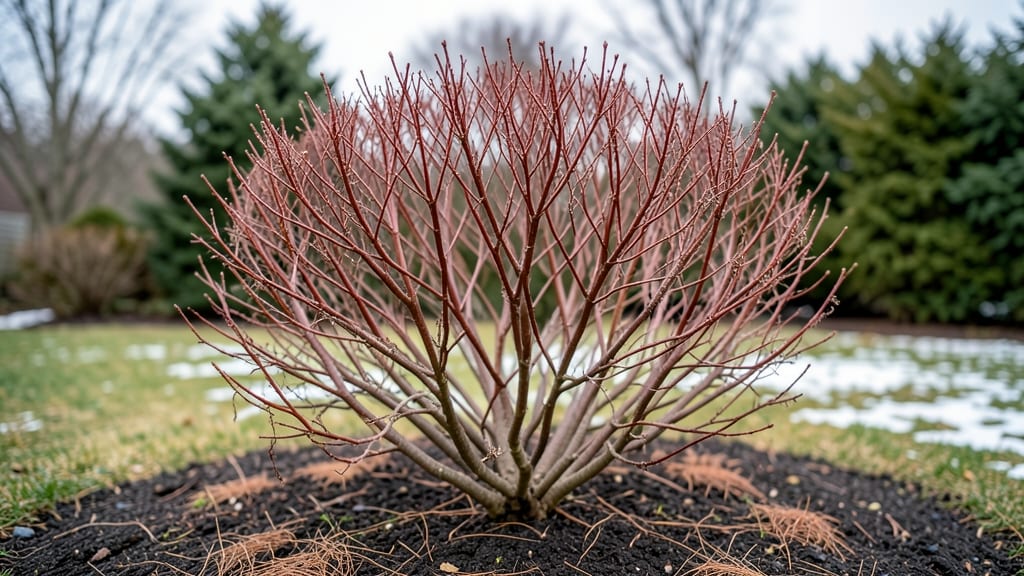
Yes, blueberry bushes lose their leaves in winter as part of their natural dormancy cycle, conserving energy and protecting roots from freezing. This seasonal shedding is completely normal and crucial for robust spring regrowth.
This natural behavior mirrors how other deciduous plants survive cold seasons. 🌿 When temperatures drop below 40°F, blueberry bushes trigger chemical changes that cause leaves to fall, reducing water loss and metabolic demands. The roots remain active just enough to sustain the plant until warmer weather returns.
What's fascinating is how this process actually strengthens the plant—many gardeners report bushier growth the following year when dormancy is properly managed.
Think of it like your own seasonal routine: just as you might hibernate or slow down in winter, blueberries enter a low-energy state. The key difference is that they're not just surviving—they're preparing for their most productive growing period.
This is why experienced growers never panic when they see bare branches in late fall, as it's actually a sign of healthy plant behavior.
💡 In This Article
- Why Blueberry Bushes Shed Leaves in Winter
- Winter Care Tips for Blueberry Bushes After Leaf Drop
Why blueberry bushes shed leaves in winter
The leaf-shedding process in blueberry bushes is triggered by a combination of temperature drops and shortening daylight hours. When average nighttime temperatures consistently fall below 40°F for several weeks, the plant's hormonal system shifts into dormancy mode.
This activates abscission cells at the base of each leaf stem, which gradually weaken the connection between leaf and branch. The result? A clean, natural leaf drop that can take anywhere from 2-4 weeks to complete, depending on your climate zone.
This seasonal behavior serves three critical survival functions. First, bare branches reduce wind resistance, preventing physical damage from winter storms. Second, and most importantly, leaf loss drastically cuts water loss through transpiration—blueberries can lose up to 90% less moisture without foliage.
Finally, the plant redirects its limited energy resources from maintaining leaves to strengthening root systems and storing carbohydrates in stems for spring growth. 🌱 What's particularly interesting is how blueberries actually benefit from frost: light freezes (28-32°F) can break down harmful plant hormones while preserving beneficial ones.
The biological mechanism behind this involves specialized proteins called antifreeze proteins (AFPs) that blueberries produce in response to cold. These proteins bind to ice crystals, preventing them from growing larger and damaging cell walls.
While not as dramatic as some evergreens, blueberries develop a semi-dormant state where metabolic processes slow to just 5-10% of summer rates. This metabolic hibernation allows the plant to survive temperatures as low as -15°F for northern varieties, though southern cultivars may need protection below 15°F.
What sets blueberries apart from many other deciduous plants is their ability to maintain some root activity throughout winter. While above-ground growth halts completely, roots continue absorbing moisture when soil temperatures stay above 35°F.
This subtle activity ensures the plant remains hydrated and ready to burst into growth as soon as spring arrives. The timing of this process is remarkably precise—blueberries actually begin preparing for dormancy in late summer when day lengths shorten, making them one of nature's most reliable seasonal calendars.
Interestingly, the color change from green to red or purple before leaf drop serves as a visual cue that dormancy is approaching. This color shift occurs as chlorophyll breaks down and anthocyanins (the same pigments found in red wine) become more prominent.
These pigments act as natural sunscreens, protecting the plant from winter UV radiation while leaves remain. The entire process demonstrates how blueberries have evolved sophisticated survival strategies over millennia to thrive in temperate climates.
For gardeners, understanding this cycle explains why blueberries often look "dead" in winter—what appears to be plant death is actually a carefully orchestrated survival strategy. The bare branches you see aren't a sign of weakness but rather evidence of the plant's preparation for its most productive growing season.
This biological efficiency is why blueberry bushes can live for 50-100 years with proper care, making them one of the longest-lived fruit plants in cultivation.