
Shrubs
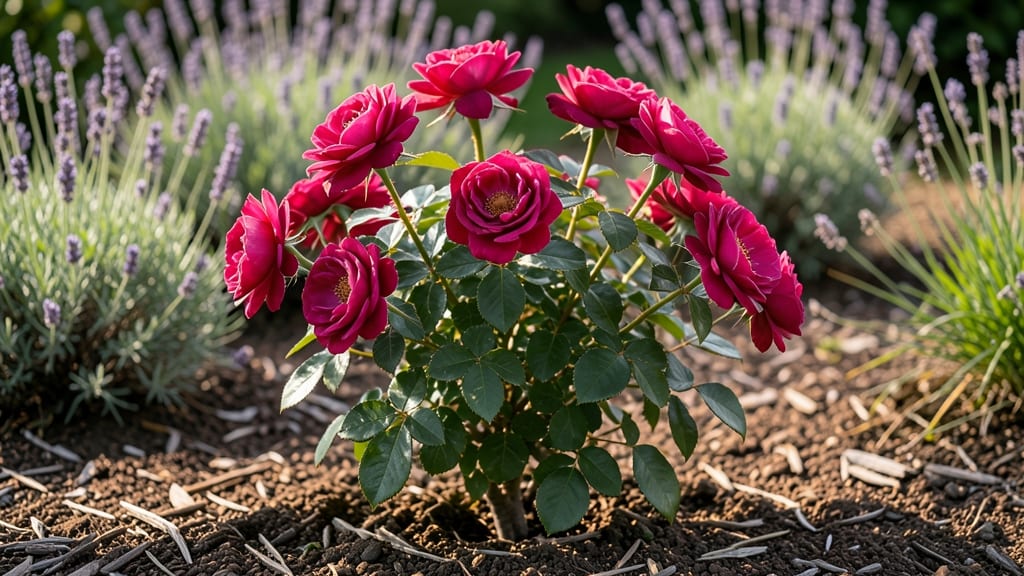
Growing a dwarf rose bush means stunning blooms without the fuss of giant canes or endless pruning. 🌹 I learned the hard way that these little powerhouses thrive with just a few key adjustments—like the right spot and a little winter prep.
The payoff? Year-round color that fits even the tiniest yard or container. Start with well-draining soil and full sun (at least 6 hours daily), and you’ll see those buds popping in just 4-6 weeks. Most varieties bloom continuously, so deadheading spent flowers keeps them flowering longer.
My Knock Out® roses still look fresh in late fall with almost no extra work. The secret to minimal pruning? Cut back just enough to shape and remove dead wood in early spring. You’ll avoid the tangled mess that makes roses seem high-maintenance.
With the right care, these bushes reward you with low-maintenance beauty that outlasts seasonal trends. Perfect for beginners, small spaces, or anyone tired of wrestling with overgrown roses. Let’s get those blooms growing!
📚 In This Guide
- What you need
- Instructions
- Tips and common mistakes
- Wrapping up and next steps
What you need
- ● Dwarf rose bush: Choose a compact variety (e.g., 'Playboy,' 'Knock Out,' or 'Fairy Tale')—look for 1-2 gallon container-grown plants for best results.
- ● Well-draining potting mix: 5-10 gallons of a blend designed for roses or shrubs (e.g., 50% garden soil + 30% compost + 20% perlite).
- ● Container or in-ground spot: For containers: A 15-20 gallon pot with drainage holes (terracotta or fabric pots work well).
- ● For in-ground: A sunny spot with 6+ hours of sunlight and loose, fertile soil (amend with compost if needed).
- ● Slow-release fertilizer: A rose-specific granular fertilizer (e.g., 10-10-10 or 12-12-17) for spring and summer feeding.
- ● Mulch: 2-3 inches of organic mulch (e.g., shredded bark or pine straw) to retain moisture and suppress weeds.
- ● Hand trowel or spade for planting.
- ● Pruning shears (sterilized with rubbing alcohol) for shaping.
- ● Watering can or hose with a gentle nozzle (dwarf roses prefer deep but infrequent watering).
- ○ Stakes or cages (optional): Small 3-4 foot cages or stakes to support lightweight varieties (e.g., climbers).
- ○ Rose food or liquid fertilizer (optional): For a mid-season boost, use a balanced liquid fertilizer every 4-6 weeks.
- ○ Disease prevention (optional): Neem oil or copper fungicide (spray before blooming season).
- ● Garden gloves to protect your hands from thorns!
Step-by-step instructions for growing a thriving dwarf rose bush
Here's how to cultivate a stunning, low-maintenance dwarf rose that blooms beautifully year after year.
🌱 Step 1: Choose the Perfect Planting Location
Select a spot with 6-8 hours of direct sunlight daily—dwarf roses need full sun to produce their best blooms. I always check the afternoon sun exposure first; roses need that late-day warmth to develop strong flower buds. Avoid areas where water pools after rain, as soggy roots lead to fungal diseases that can kill even the hardiest dwarf varieties.
Test your soil's drainage by digging a 12-inch deep hole and filling it with water. If it drains within 2 hours, the spot is ideal. Amend heavy clay soil with 3 inches of compost mixed into the top 12 inches of soil to improve aeration. I like to work in a handful of bone meal at planting time to encourage strong root development from the start.
🪴 Step 2: Plant at the Right Depth and Stake for Support
Dig a hole twice as wide as the rose bush's root ball but only as deep as the container it came in. Loosen the roots gently if they're circling the pot—this prevents girdling as they establish. Place the rose in the hole so the graft union (the swollen area near the base) sits 2-3 inches above soil level. This ensures the plant can regenerate if pruned too low later.
Fill the hole with native soil, tamping gently to remove air pockets. Install a 5-foot tall stake next to the plant and tie the main stem loosely with soft plant ties. Dwarf roses are sturdy, but a strong wind or heavy blooms can bend young canes. Water deeply right after planting to settle the soil and encourage root contact with the surrounding earth.
☀️ Step 3: Water Deeply and Maintain Consistent Moisture
Water your dwarf rose once a week during the first growing season, providing 1 gallon per plant each time. The key is deep watering—soak the soil until water runs out the drainage holes if growing in containers. I check moisture by sticking my finger 2 inches into the soil; if it feels dry, it's time to water again.
After the first year, reduce watering to every 10-14 days unless you experience extreme heat or drought. Dwarf roses are more drought-tolerant than their larger counterparts, but consistent moisture prevents bud drop and keeps foliage vibrant. Mulch with 2-3 inches of organic mulch (like shredded bark) around the base to retain moisture and suppress weeds—just keep it 3 inches away from the stem to prevent rot.
✂️ Step 4: Prune for Shape and Encourage Continuous Blooms
Prune your dwarf rose in early spring before new growth begins. Remove any dead, diseased, or crossing branches first—these compete for energy and can spread problems throughout the plant. Cut back last year's blooms to just above a healthy outward-facing bud using clean, sharp pruners. I always sterilize my tools with rubbing alcohol between cuts to prevent bacterial infections.
Shape the bush by thinning out crowded canes to improve airflow. Aim for an open center that lets light penetrate to the interior. For continuous blooming varieties, deadhead spent flowers by cutting back to the first set of five leaves below the bloom. This redirects the plant's energy into producing new buds rather than seed development. I prune lightly again in late summer to promote a final flush of fall blooms.
🌿 Step 5: Feed and Protect for Long-Term Health
Fertilize your dwarf rose in early spring with a balanced 10-10-10 fertilizer applied at half strength. Repeat every 6-8 weeks through summer, but stop fertilizing by late August to allow the plant to harden off for winter. I switch to an organic rose-specific fertilizer in fall to build winter resilience without promoting tender new growth.
Monitor for pests like aphids or spider mites—these love tender new growth. Spray affected areas with neem oil in the evening when bees aren't active. For disease prevention, apply a copper fungicide in early spring and after heavy rains. Dwarf roses are generally disease-resistant, but proper spacing and airflow keep them thriving season after season.
Tips & tricks for perfect dwarf rose bush care
These small but mighty plants reward patience with stunning blooms—here's how to give them the best start.
Sunlight Strategy: While 6-8 hours of sunlight is ideal, morning sun paired with afternoon shade works for hotter climates. I've seen dwarf roses thrive with 5 hours of morning sun if protected from intense afternoon rays—just watch for leaf scorch on the exposed sides. Position your rose where it gets the most consistent light throughout the day, even if that means adjusting as seasons change.
Planting Depth Secret: That 2-3 inch graft union placement isn't just about aesthetics—it's a survival tactic. The graft union should always remain above soil level to prevent rot and encourage strong regrowth. If your soil settles after planting, add more soil around the base to maintain this critical height. I've lost count of how many roses I've replanted because I didn't respect this simple rule.
Watering Wisdom: The 2-inch soil check is your best friend—it's more reliable than guessing by schedule. For container-grown dwarf roses, I like to use the "weight test" too: lift the pot before watering. If it feels light, it's time. Remember that mulch acts like a moisture blanket, so you might need to water slightly less frequently once established, especially with that 2-3 inch layer we discussed.
Pruning Precision: When deadheading, always cut back to the first set of five leaves—this is where new buds form. I mark this spot with my thumb while holding the stem to ensure consistency. For spring pruning, never remove more than one-third of the plant's growth at once, even if it looks overgrown. Dwarf roses are resilient but need gradual shaping to maintain their compact form and encourage continuous blooming.
Pro Tips for Dwarf Rose Bush
- These small but mighty plants reward patience with stunning blooms—here's how to give them the best start.
- Sunlight Strategy: While 6-8 hours of sunlight is ideal, morning sun paired with afternoon shade works for hotter climates.
- Planting Depth Secret: That 2-3 inch graft union placement isn't just about aesthetics—it's a survival tactic.
Frequently asked questions
Got questions about keeping your dwarf rose bush happy and thriving? You’re not alone! Here are some of the most common concerns—plus quick, expert-backed answers to help you grow with confidence.
How often should I water my dwarf rose bush?
Water your dwarf rose bush deeply 1–2 times per week, depending on your climate. Aim for about 1 inch of water per week, ensuring the soil stays moist but not soggy. Early morning watering prevents fungal issues, and mulch (2–3 inches) helps retain moisture. Pro tip: Adjust in extreme heat—daily shallow watering is better than none!
Do dwarf roses need as much pruning as full-size roses?
Nope! Dwarf roses require minimal pruning—just enough to shape them and encourage blooms. Trim dead or crossing branches in late winter/early spring, then lightly prune after each bloom cycle to promote new growth. Key rule: Never cut more than 1/3 of the plant at once to avoid stress.
Can dwarf rose bushes grow in full shade?
While they tolerate partial shade (4–6 hours of sunlight), full shade (less than 4 hours) can lead to fewer blooms and leggy growth. For best results, plant in full sun (6+ hours). If shade is unavoidable, choose a shade-tolerant variety like ‘Playboy’ or ‘David Austin’s ‘Graham Thomas.’
What pests are common in dwarf roses, and how do I treat them?
Watch for aphids, spider mites, and Japanese beetles—they love roses too! For mild infestations, spray with neem oil or insecticidal soap. For severe cases, use pyrethrin-based sprays (follow label instructions). Prevention tip: Encourage ladybugs and lacewings by planting companion flowers like marigolds!
Are dwarf roses good for containers? If so, what’s the best pot size?
Dwarf roses thrive in containers with at least 12–15 inches of depth and drainage holes. Use a well-draining potting mix (like 60% soil, 30% perlite, 10% compost) and repot every 2–3 years to refresh nutrients. Bonus: Containers let you move them for optimal sunlight!
How do I protect my dwarf rose bush in winter?
Most dwarf roses are hardy to USDA Zones 4–9, but young plants or tender varieties need extra care. Mulch heavily (4–6 inches) with straw or shredded bark, and wrap the bush in burlap or frost cloth if temps drop below 20°F. Skip watering once the ground freezes to prevent root rot.
Still stumped? Drop your question in the comments—we’re happy to help your dwarf rose bush thrive!
Wrapping up and next steps
Growing a dwarf rose bush is a rewarding way to enjoy vibrant blooms with minimal fuss—perfect for small gardens, containers, or even urban spaces! 🌸 With the right soil, sunlight, and a little care, you’ll have a thriving, low-maintenance beauty that keeps gifting you color season after season.
Now that you’re armed with the essentials, it’s time to roll up your sleeves and get growing!
Ready to take the next step? Start by selecting your favorite variety, grab your gardening tools, and plant your dwarf rose today. Happy gardening—your future blooms will thank you! 🌱