
Pruning
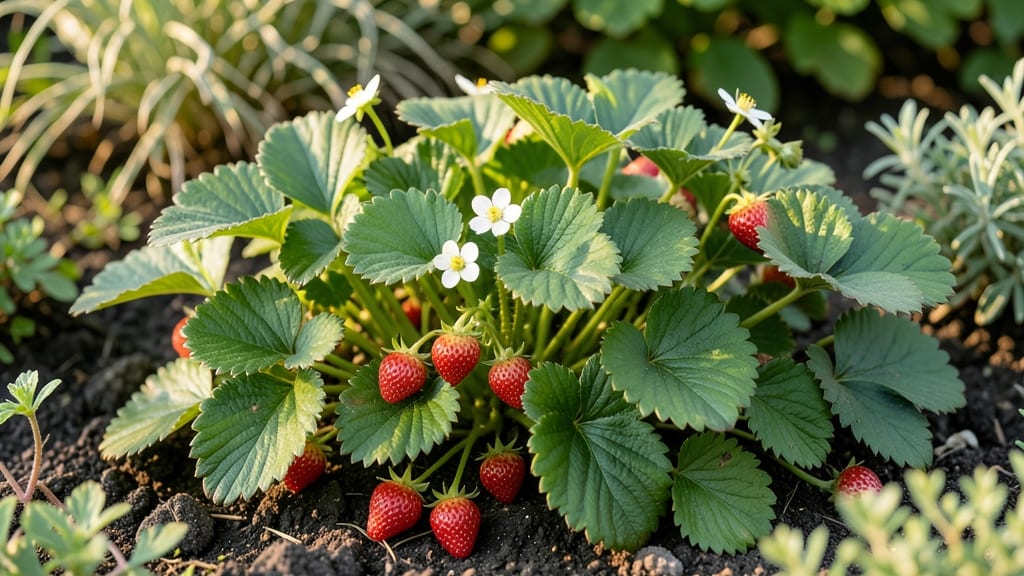
Your everbearing strawberry bush could produce fruit for 10 months a year—if you prune it right. 🌱 I learned this the hard way after my first harvest stretched from spring to late fall, then vanished completely the next season.
The secret isn't just timing; it's understanding how these plants grow differently than June-bearing varieties.
These bushes thrive in full sun and well-draining soil, but their real magic happens in the pruning schedule. Everbearing types produce two main harvests: one in early summer and another in fall.
The trick is removing old leaves after the first flush to redirect energy to new growth. I now prune back half the plant after June, and the second harvest arrives like clockwork.
You'll end up with continuous harvests if you stay on top of runners too. These plants send out aggressive runners, but everbearing types need them controlled—otherwise, they'll spread everywhere but produce less. Pinch them back early, and you'll get bigger berries and more consistent yields.
Works in containers or in-ground beds, from Zone 4 to Zone 9. The key is adapting your pruning to your climate—cooler areas get a longer growing season, while hotter zones need shade in peak summer. Here's how to keep your bushes productive all year.
📚 In This Guide
- What you need
- Instructions
- Tips and common mistakes
- Wrapping up and next steps
What you need
- ● Everbearing strawberry plants: Choose disease-resistant varieties like 'Albion,' 'Seascape,' or 'Tristar.' Aim for 3-5 healthy plants (or 1-2 for a small container).
- ● Well-draining soil: Mix 50% garden soil with 50% compost or peat moss for optimal fertility. pH should be 5.5–6.8.
- ● Organic mulch: 2–3 inches of straw, pine needles, or wood chips to retain moisture and suppress weeds.
- ● Balanced fertilizer: A 10-10-10 or 5-10-10 NPK blend (apply sparingly—over-fertilizing harms everbearers!).
- ● Watering system: Drip irrigation or a watering can with a rose attachment (avoid overhead sprinklers to prevent disease).
- ● Bypass pruners: Sharp, clean pruners (size 7–8 inches) for precise cuts—sterilize with rubbing alcohol between cuts!
- ● Gloves: Heavy-duty gardening gloves to protect from thorns and dirt.
- ○ Garden shears: For trimming larger foliage (optional but helpful for thick growth).
- ● Label tags: Waterproof markers to label varieties and pruning dates.
- ● Container garden: Large pots (12+ inches deep) with drainage holes for patio growing.
- ● Row covers: Lightweight fabric to protect plants from pests or late frosts.
- ● Pruning spray: Copper-based fungicide to prevent powdery mildew (apply after heavy rains).
- ● Harvest basket: A shallow, breathable container to keep berries cool until use.
How to prune an everbearing strawberry bush for continuous harvests
Here's the simple pruning system I use to turn one bush into a year-round fruit machine.
✂️ Step 1: Remove Winter-Damaged Growth in Early Spring
As soon as you see new green growth emerging in early spring (usually March-April in most zones), grab your pruners and cut back any blackened, mushy stems from winter. These are dead and will only drain energy from your plant. I like to make clean cuts just above the first healthy leaf pair—this ensures fresh growth starts right there.
Don't rush this step. Wait until you see at least one inch of new green growth before pruning. If you cut too early, you might remove the plant's only viable stems. After pruning, give the bush a light watering to help it recover from the shock.
✂️ Step 2: Thin Crowded Stems After First Harvest
Once your first summer harvest winds down (around July for most regions), it's time to thin out crowded stems. Everbearing strawberries produce fruit on second-year stems, so you want to keep only the strongest, most vigorous runners. I remove any stems that are thin, weak, or crossing over others—this improves airflow and reduces disease risk.
Leave 4-6 of the healthiest stems per plant. Cut the rest at the base with clean pruners. You'll see new side shoots emerge from the base within a few weeks—these will become your next year's fruit-bearing stems. Mulch around the base with 2-3 inches of straw to protect new growth.
✂️ Step 3: Summer Pinch for Fall Fruit Flush
Here's where the magic happens: in late July to early August, pinch off the first set of flowers that appear. I know it seems counterintuitive to remove blossoms, but this forces the plant to redirect energy into developing stronger stems for your fall harvest. Simply snip off the flower clusters with your fingers or pruners—no need for fancy cuts.
After pinching, you'll see new side shoots form at the stem bases within 2-3 weeks. These will produce your fall crop. Keep the area weed-free during this period—weeds compete for nutrients that your strawberries need for this second flush. Water deeply once a week during dry spells to maintain consistent moisture.
✂️ Step 4: Clean Up After Final Harvest
After your last harvest (usually October-November depending on your climate), it's time for final cleanup. Remove any remaining leaves that show signs of disease (yellowing, brown spots) and cut back all fruit-bearing stems to 1 inch above the crown. This prevents pests from overwintering in your plant.
Leave any healthy green leaves that remain—they'll provide some winter protection. Spread a 4-6 inch layer of straw mulch around the base (using the amount you've been using all season) to insulate the crown through winter. In colder zones, you might want to add a lightweight row cover over the bush for extra protection.
⏰ Step 5: Annual Crown Renewal in Late Winter
In late February (just before new growth starts), perform your annual crown renewal. Remove any old, woody stems that have stopped producing. You'll know these by their thick, brown appearance—they won't have any green at the base. Cut these out completely at the base.
This step prevents your everbearing bush from getting overcrowded with unproductive wood. After renewal, you'll see fresh green shoots emerge from the center within 2-3 weeks. These will form the base of your next year's harvest. Feed with a balanced 10-10-10 fertilizer at this time to support new growth.
Tips & tricks for year-round everbearing strawberry success
Between us, these small adjustments will transform your strawberry bush from a seasonal disappointment into a continuous fruit powerhouse.
Timing is Everything: Don't wait until the very first green shoot appears in Step 1—wait for that one-inch growth before pruning. I learned this the hard way after accidentally removing the only viable stems on three different bushes. The plant needs that initial growth to establish energy reserves for the season ahead. If you're in a cooler climate, watch for new growth around mid-March instead of March-April.
Tool Selection Matters: Use sharp, clean pruners for every cut—dull blades crush stems and create entry points for disease. I sterilize my pruners with rubbing alcohol between each bush to prevent spreading any potential pathogens. For the summer pinch in Step 3, your fingers work perfectly fine, but if you prefer tools, small scissors designed for pruning are ideal.
Mulch Like a Pro: That 2-3 inches of straw in Step 2 isn't just decoration—it's insulation and moisture control. I add an extra inch in particularly hot summers to keep roots cool. For Step 4's winter protection, use straw rather than leaves (which can harbor pests) and fluff it up annually to maintain its insulating properties. In very cold climates, consider adding a layer of evergreen boughs over the straw for extra winter protection.
Visual Cues for Perfect Pruning: When thinning stems in Step 2, look for ones with vibrant green leaves and strong, upright growth. Weak stems often have yellowing leaves or grow at odd angles. For the summer pinch, you're aiming to remove flower clusters that are just starting to form—these will look like tiny buds with no visible berries yet. The goal is to redirect energy before the plant commits to fruit production.
Pro Tips for Everbearing Strawberry Bush
- Between us, these small adjustments will transform your strawberry bush from a seasonal disappointment into a continuous fruit powerhouse.
- Timing is Everything: Don't wait until the very first green shoot appears in Step 1—wait for that one-inch growth before pruning.
- Tool Selection Matters: Use sharp, clean pruners for every cut—dull blades crush stems and create entry points for disease.
Frequently asked questions
Got questions about keeping your everbearing strawberry bush productive? You're not alone! Here are some of the most common queries—and their answers—to help you grow like a pro.
How often should I prune an everbearing strawberry bush?
Prune everbearing strawberries twice per year: once in early spring (to remove dead leaves and encourage new growth) and again after harvest (to trim spent runners and old foliage). This keeps the plant focused on fruit production instead of spreading. Check our pruning guide for step-by-step tips!
When is the best time to harvest everbearing strawberries?
Harvest everbearing strawberries when they’re fully red and just slightly soft to the touch—usually 3–4 weeks after flowering. Unlike June-bearing varieties, these bushes produce fruit in two waves: early summer and late summer/fall. Pick consistently to encourage more berries!
Why aren’t my everbearing strawberries fruiting this year?
Lack of fruit could mean over-pruning, poor sunlight (they need 6+ hours/day), or nutrient deficiencies (add compost or a balanced fertilizer). Also, everbearing strawberries need cool nights to set fruit—if temps stay above 80°F (27°C), they may skip flowering. Try shading the plant slightly if needed.
Can I grow everbearing strawberries in containers?
Everbearing strawberries thrive in 5-gallon containers or larger with well-draining soil. Use a hanging basket or deep pot to save space, and ensure it has drainage holes. Just remember: container-grown plants may need more frequent watering and fertilization than in-ground bushes.
What’s the difference between everbearing and June-bearing strawberries?
Everbearing strawberries produce smaller berries in multiple harvests (spring, summer, and fall), while June-bearing varieties yield one massive harvest in late spring/early summer with larger fruit. Everbearing types are great for continuous snacking, but June-bearing may be better if you prefer giant berries all at once.
Pro Tip:
If your everbearing strawberry bush gets too leggy, don’t panic! Simply cut back 1/3 of the oldest canes in early spring to rejuvenate growth. This trick keeps your bush compact and productive for years.
Wrapping up and next steps
Growing an everbearing strawberry bush that produces fruit year-round is totally within reach with the right pruning strategy! By mastering seasonal trims and understanding your plant’s growth habits, you’ll enjoy a bountiful harvest—even in cooler months.
Start small, stay consistent, and don’t hesitate to experiment with techniques like renewal pruning or everbearing-specific cuts to maximize your yield.
Ready to take the next step? Grab your pruners, mark your calendar for seasonal trims, and watch your strawberry bush thrive! 🌱 For even more tips, check out our pruning guide for everbearing varieties—happy gardening!