
Featured
Illinois gardeners need flowering bushes that survive harsh winters and deliver vibrant blooms season after season. These 10 cold-hardy options thrive in the state's climate while adding color, fragrance, and wildlife support to your landscape.
Butterfly Bush for Pollinator Gardens
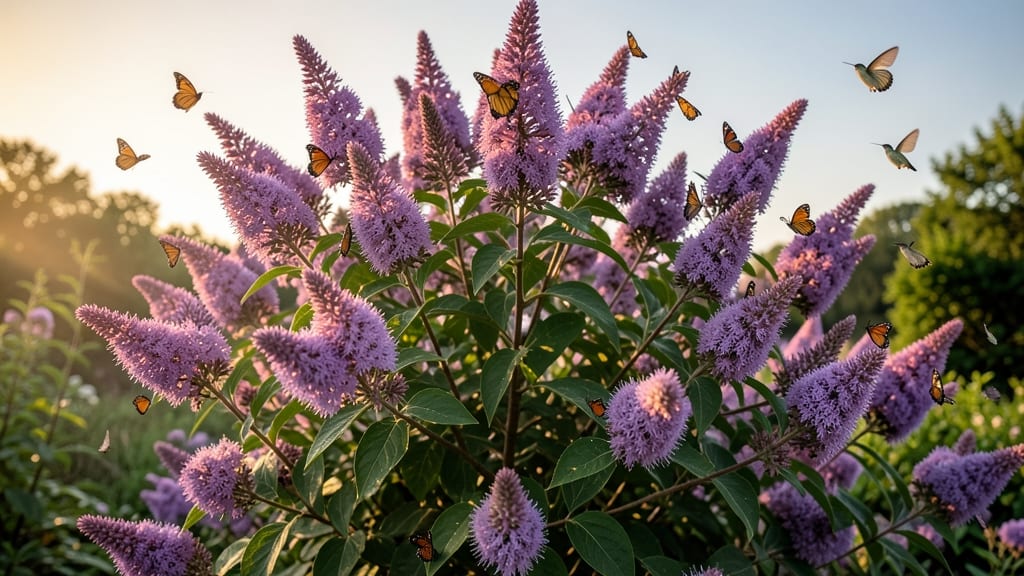
Transform your Illinois garden into a buzzing haven for pollinators with the butterfly bush (Buddleia), a magnet for hundreds of butterflies and hummingbirds. This hardy shrub thrives in USDA Zones 5-9, making it perfect for the state's climate, and its fragrant blooms create a sensory feast from mid-summer through fall.
Plant your butterfly bush in full sun for maximum blooms, and choose a spot with well-draining soil—it tolerates drought once established. Prune back one-third of the plant in late winter to encourage fresh growth and more flowers. Varieties like 'Black Knight' or 'Lo & Behold® Purple' offer striking colors while attracting even more wildlife.
This bush is a game-changer for wildlife-friendly landscapes, cottage gardens, and urban yards alike. 🌟
Viburnum Shrubs with Four-Season Interest
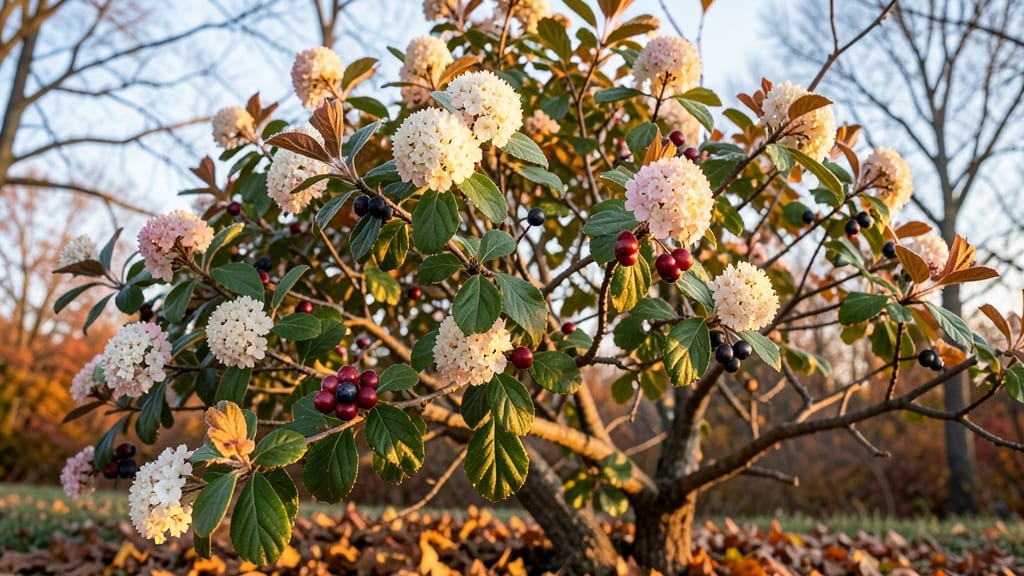
Viburnum shrubs are the unsung heroes of Illinois gardens—delivering color and structure from spring to winter without demanding constant attention. Unlike seasonal plants that fade after one bloom, these shrubs transform your landscape four times a year with flowers, berries, foliage, and even winter interest.
Start with spring blooms like fragrant Viburnum carlesii (Korean Spice), followed by summer berries that birds adore. Then comes fall foliage—some varieties turn fiery red or gold—before the skeletal branches provide winter texture. Most thrive in partial shade to full sun, making them ideal for hedges, borders, or even container gardens.
Perfect for gardeners who want low-maintenance beauty, viburnums handle Illinois' humidity and temperature swings with ease. Plant them near patios or walkways to enjoy their year-round appeal. 🌿
Panicle Hydrangea for Long-Lasting Color
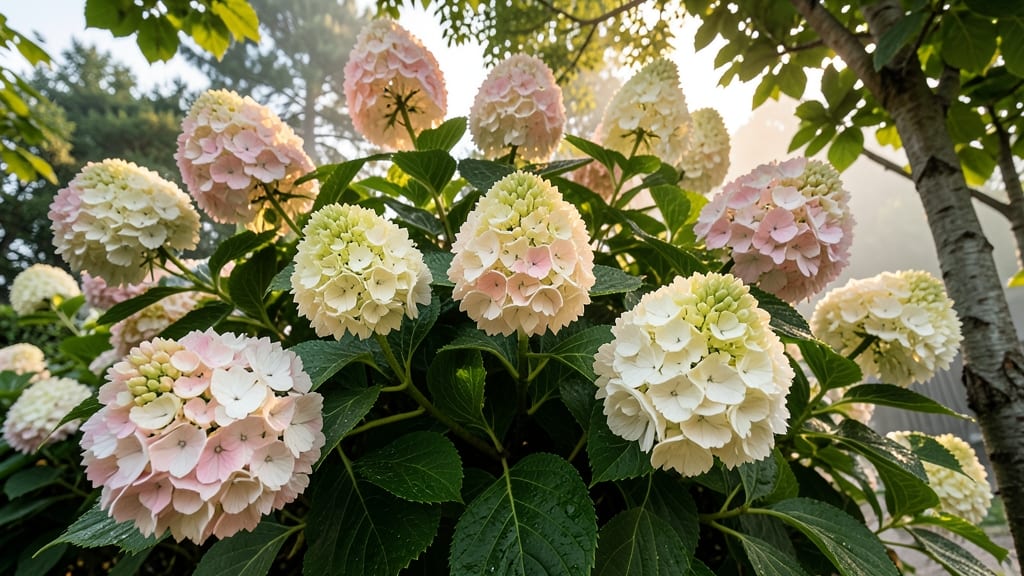
Tired of flowering bushes that fade after one season? Panicle hydrangeas are the game-changer you’ve been waiting for, offering summer-to-fall blooms that keep your garden vibrant long after other shrubs have finished. Their large, cone-shaped clusters (up to 12 inches long!) transition beautifully from white to pink, creating a stunning seasonal display.
What makes them perfect for Illinois gardens? They thrive in both full sun and partial shade, making them ideal for tricky spots like north-facing borders or under trees. Plant them in well-drained soil and water consistently during their first year to establish strong roots. Prune in late winter or early spring to encourage bushier growth and more abundant blooms—just remove up to one-third of the previous year’s stems.
Urban gardeners and small-space enthusiasts will love how panicle hydrangeas adapt to containers, while their drought tolerance makes them low-maintenance stars for busy gardeners. With proper care, you’ll enjoy these showstoppers for years to come. 🌟
Weigela Bush for Early Spring Flowers
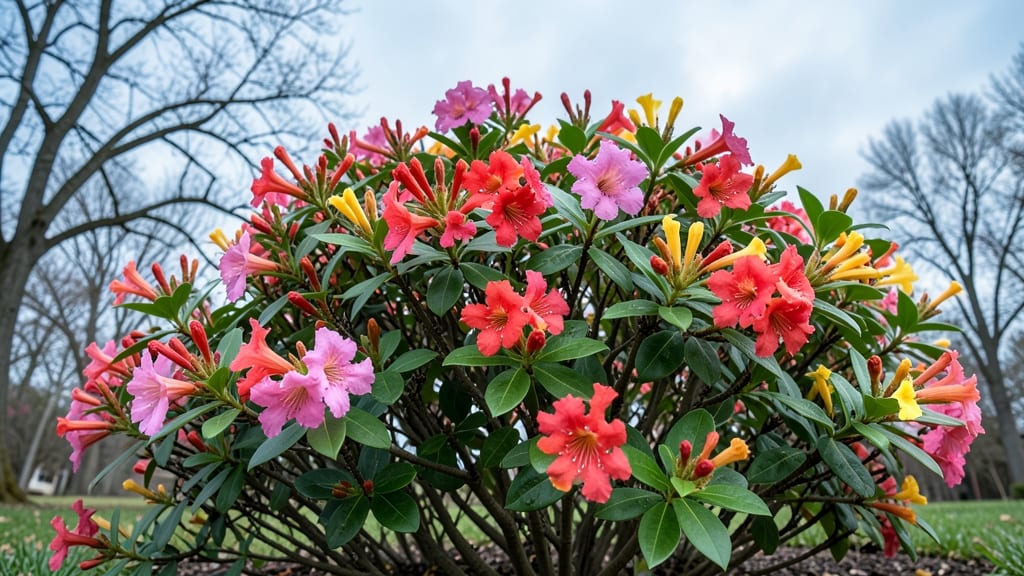
When spring feels like it’ll never arrive, weigela bursts onto the scene with its bright tubular flowers—often before most trees leaf out. This early bloomer thrives in Illinois’ USDA Zones 4-8, making it a reliable choice for gardeners eager to welcome hummingbirds and butterflies as soon as the snow melts.
Weigela’s pink, red, or white trumpet-shaped blooms appear on bare stems in late winter or early spring, followed by lush foliage that adds texture all season. It adapts to full sun to partial shade, tolerates urban pollution, and even handles occasional drought once established. Prune right after flowering to encourage bushier growth and more blooms next year.
Perfect for small gardens, mixed borders, or as a focal point near patios, weigela’s low-maintenance nature makes it ideal for busy Illinois gardeners who still want early color. 🌷
Spirea Shrubs for Continuous Blooming
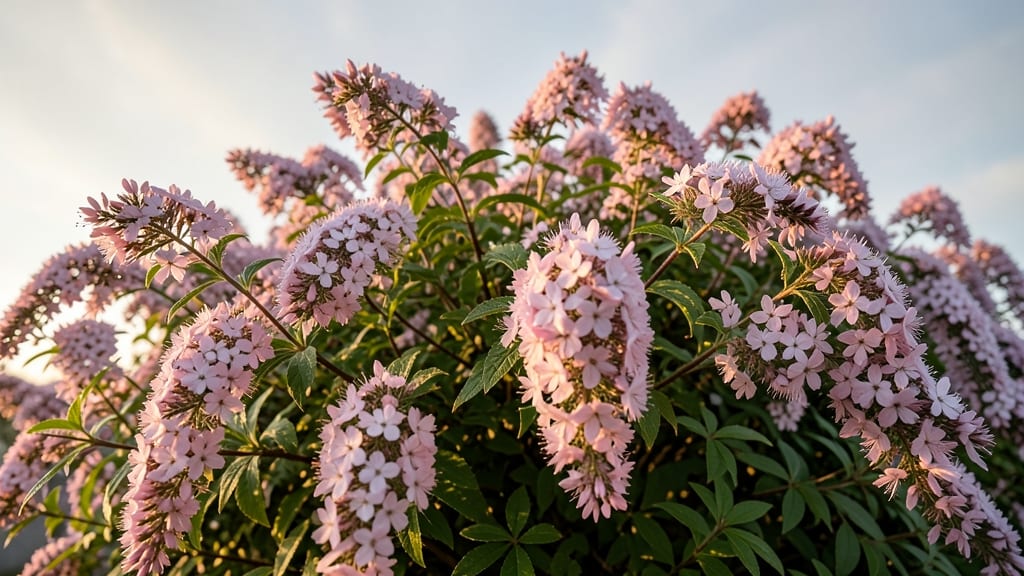
Tired of flowering shrubs that bloom for just one glorious season? Spirea delivers a nonstop floral show from late spring through early fall, making it the ultimate continuous bloomer for Illinois gardens.
This versatile shrub thrives in full sun to partial shade and handles Illinois' variable weather—drought spells, humidity, and even light frosts. Plant spirea on slopes to control erosion while adding vibrant pink, red, or white blooms that cut beautifully for bouquets. Varieties like 'Goldflame' offer golden foliage for extra visual appeal.
Perfect for beginners and busy gardeners, spirea requires minimal care beyond an annual prune after flowering. Its long bloom season ensures your garden stays lively from May through September. 🌻
Dwarf Lilac for Compact Gardens
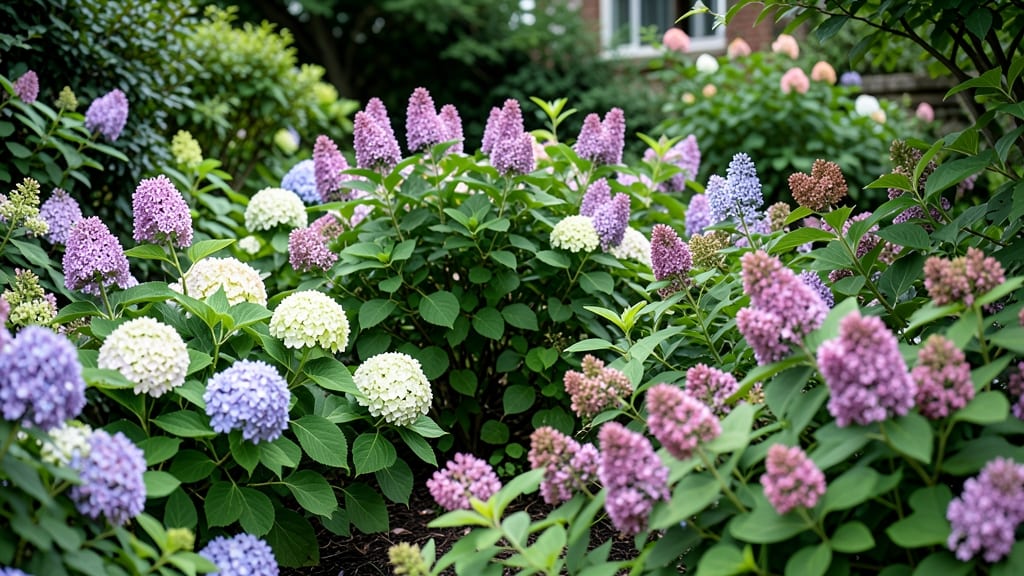
If you've ever dreamed of a garden filled with intoxicating fragrance but lack the space for sprawling shrubs, the dwarf lilac is your perfect match. This compact powerhouse delivers the classic lilac scent in a tidy package that thrives in containers or small garden beds.
Most dwarf lilac varieties like 'Miss Kim' or 'Little Leaf' top out at just 3-4 feet tall, making them ideal for urban balconies or foundation plantings. They require full sun to partial shade and surprisingly little maintenance—just prune right after flowering to encourage next year's blooms. The fragrant purple blooms appear reliably each spring, often lasting 2-3 weeks.
This is the ideal choice for first-time shrub gardeners or those with limited space who still want that classic garden scent. Just be prepared for neighbors to ask where the fragrance comes from! 🌷
Smoke Bush for Unique Foliage
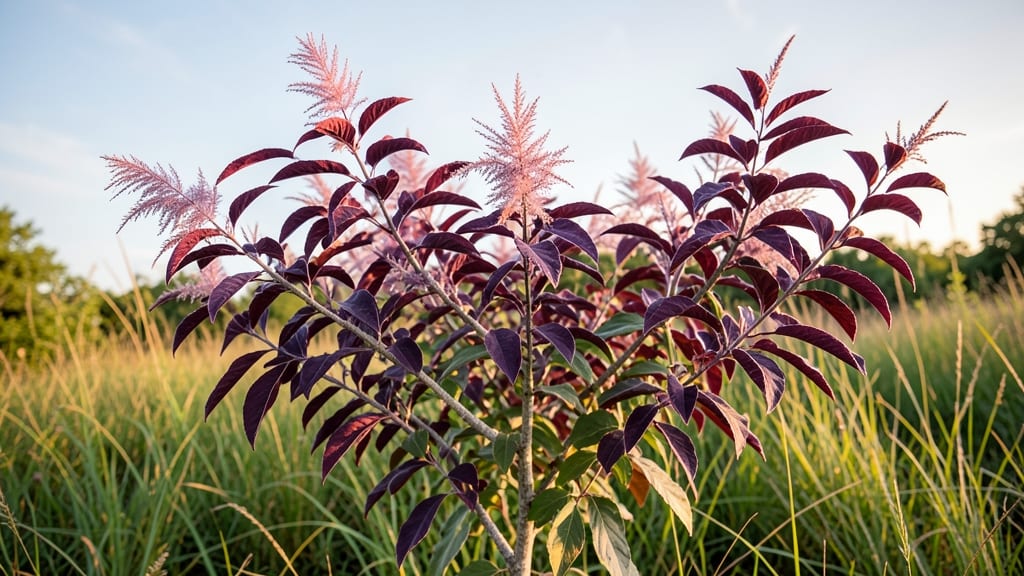
If you're looking for a drought-tolerant shrub that adds dramatic color without the fuss, smoke bush (Cotinus) is your answer. Its velvety purple foliage creates a striking contrast against green plants, while its late-summer flower plumes resemble billowing smoke—hence the name.
This hardy shrub thrives in full sun and well-drained soil, making it perfect for Illinois' hot summers. The smoke-like blooms attract pollinators and add texture to your landscape, while its compact size (6-10 feet tall) works well in borders or as a standalone specimen. Prune lightly after flowering to maintain shape.
Ideal for gardeners who want low-maintenance color with minimal watering, smoke bush is especially great for urban gardens or drought-prone areas. 🌻
Potentilla Shrubs for Drought Tolerance
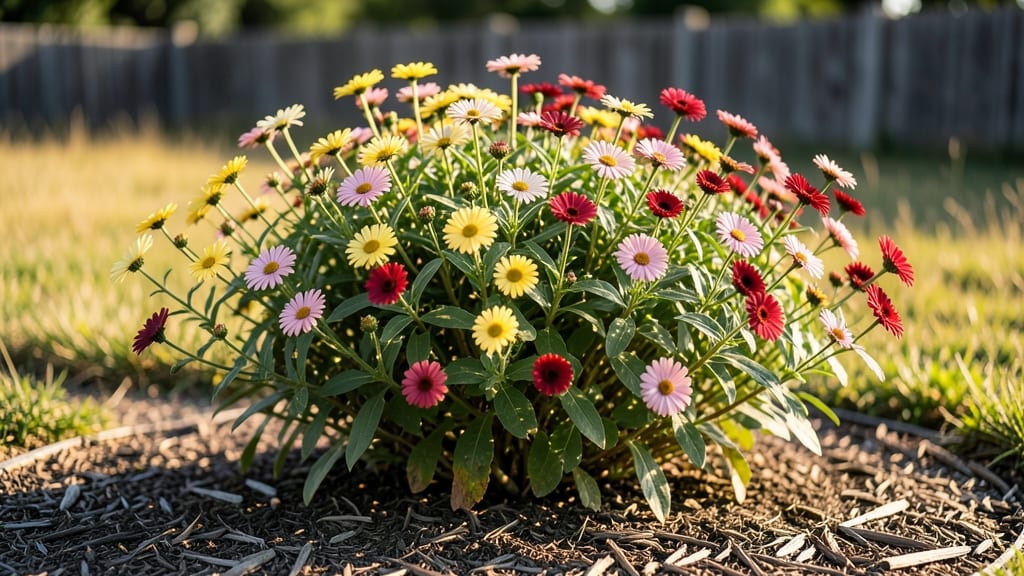
If you're dreaming of a low-maintenance landscape that thrives even during Illinois' hot, dry summers, potentilla shrubs are your secret weapon. These hardy plants produce cheerful, daisy-like flowers in shades of yellow, pink, and red while demanding minimal water once established.
Potentillas excel in full sun conditions and tolerate poor, well-draining soil—making them perfect for prairie-style gardens or rocky slopes. Varieties like Dasiphora fruticosa (shrubby potentilla) bloom from early summer through fall, providing continuous color. Prune lightly after flowering to maintain shape, and watch them rebound quickly from drought stress.
These shrubs are especially valuable for gardeners who want beauty without the fuss. Their drought-tolerant nature and long bloom season make them ideal for urban yards, rain gardens, or any space where water conservation is key. 🌻
Serviceberry Bush for Edible Berries
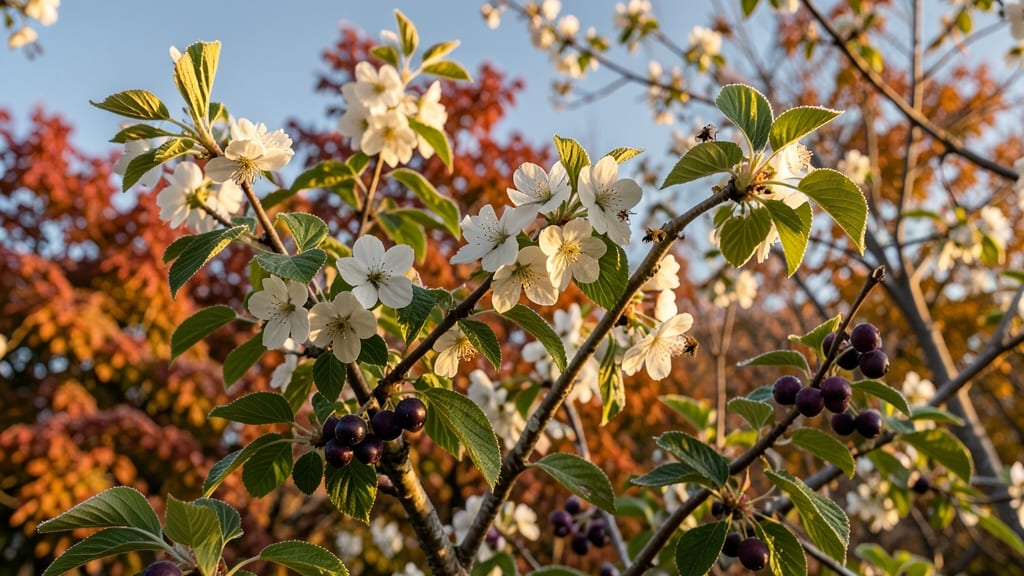
Looking for a multi-season superstar that gives you white spring blooms, edible summer berries, and stunning fall foliage—all while supporting local wildlife? The serviceberry bush (Amelanchier) delivers exactly that, making it one of Illinois’ most versatile native shrubs.
This underrated beauty thrives in full sun to partial shade and handles Illinois’ humid summers and cold winters with ease (USDA Zones 3-9). Plant it in well-drained soil—it tolerates clay and rocky conditions—then watch as fragrant white flowers attract pollinators in spring, followed by tart, blueberry-like berries that birds and humans love. In autumn, the leaves blaze orange, red, or purple, extending your seasonal interest.
Perfect for woodland gardens, mixed borders, or even as a small tree, serviceberry requires minimal care once established. Urban gardeners will appreciate its compact size (10-25 feet), while wildlife enthusiasts gain a year-round food source for birds and butterflies. 🌟
Coralberry for Native Landscaping

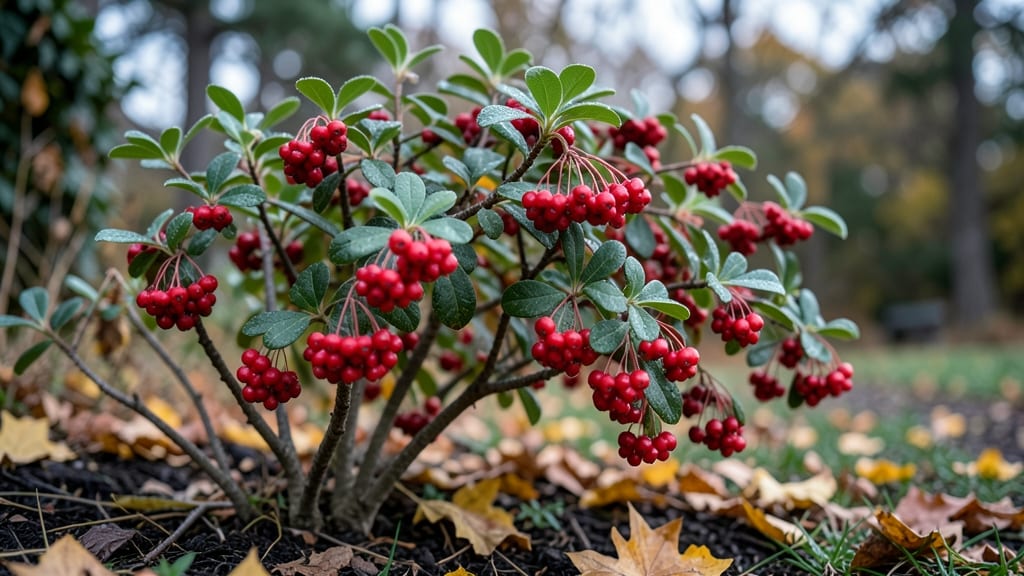
If you're looking for a low-maintenance native shrub that thrives in Illinois' challenging soils and supports wildlife, coralberry (Symphoricarpos orbiculatus) is your answer. This underused gem produces clusters of striking red berries that persist through winter, providing food for birds year-round while its delicate white flowers bloom in late summer.
Coralberry adapts to poor, rocky, or clay soils where many flowering shrubs struggle, making it ideal for naturalized landscapes or woodland edges. It handles both full sun and partial shade, grows 3-5 feet tall, and spreads slowly to form dense thickets. Prune lightly in late winter to shape or remove old stems, but avoid heavy pruning—this shrub thrives on neglect.
This Illinois native is perfect for gardeners who want to reduce water use, support local wildlife, and add seasonal interest without fuss. Plant it along fence lines, in rain gardens, or as a foundation shrub for a native look that requires almost no care. 💚