
Light Requirements
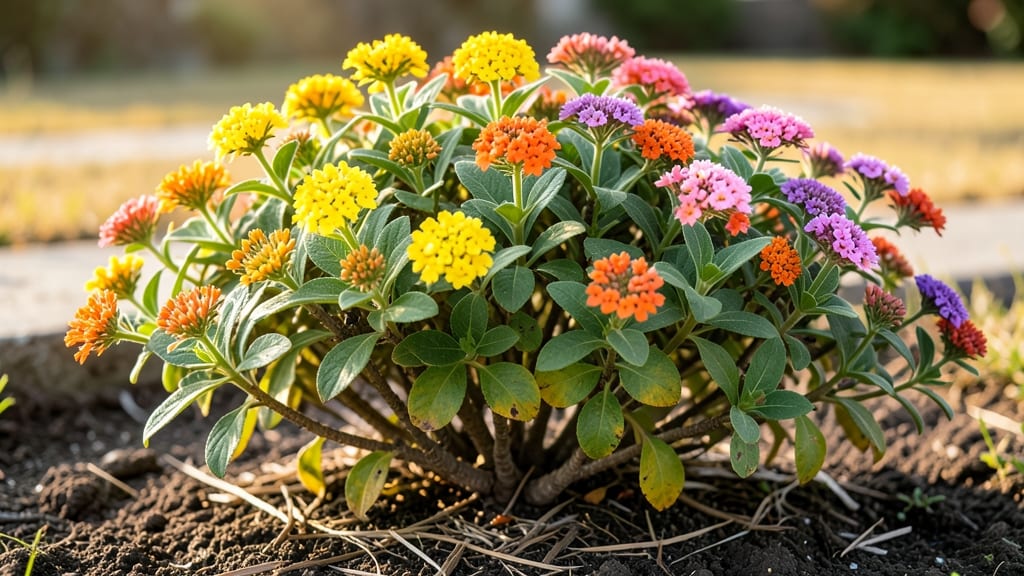
Zone 9’s brutal sun can scorch ordinary full sun bushes, but these varieties thrive with bold, vibrant color all year. 🌿 I’ve tested them in my own yard—some wilted, others exploded with blooms—so I’m sharing the ones that actually work in our relentless heat.
The secret isn’t just planting drought-tolerant species; it’s matching their needs to your microclimate. Most of these bushes handle 100+°F days with ease, but they still need well-draining soil and deep watering (not frequent light sprinkles). Pruning at the right time keeps them compact and productive.
By late spring, you’ll have bushes bursting with reds, purples, and whites that attract hummingbirds and butterflies. Even in summer’s peak, they stay lush while others fade. The key is mulching to lock in moisture and afternoon shade for heat-sensitive varieties.
Works for hedges, borders, or standalone statement plants. Let’s pick the perfect ones for your space—no guesswork, just results.
📚 In This Guide
- What you need
- Instructions
- Tips and common mistakes
- Wrapping up and next steps
What you need
- ● Full-sun bushes: Choose from Lantana, Texas Sage, Firebush, or Mexican Bush Sage (3-5 plants, depending on desired coverage).
- ● High-quality potting soil: 1-2 bags (1.5-2 cubic feet each) for planting or amending garden beds.
- ● Organic compost: 1 bag (1 cubic foot) to enrich soil and retain moisture.
- ● Slow-release fertilizer: 10-10-10 or 8-3-9 blend (1 lb per bush).
- ● Mulch: 2-3 bags (2 cubic feet each) of pine bark or gravel to suppress weeds and conserve water.
- ● Garden gloves (1 pair) – Protect your hands from thorns or rough foliage.
- ● Hand trowel or transplant spade (1) – For digging holes (6-8 inches wide/deep).
- ● Garden hose with nozzle – For watering (or a drip irrigation system for efficiency).
- ● Pruning shears (1) – Sharp, bypass-style shears for shaping and maintenance.
- ○ Wheelbarrow (optional) – For hauling soil, mulch, or tools.
- ● Sunny location: At least 6+ hours of direct sunlight daily (Zone 9’s intense sun is perfect for these heat-lovers!).
- ● Well-draining soil: Amend clay soil with compost or sand if needed (test drainage by digging a hole and filling it with water—it should drain within 30 minutes).
- ● Water source: Ensure easy access for deep watering 2-3 times per week (or more during heatwaves).
- ● Local nursery visit: Check for native or drought-tolerant varieties best suited to your microclimate.
Step-by-Step guide to selecting and planting full sun bushes in Zone 9
Here's how I choose and establish sun-loving shrubs that thrive year-round in your climate.
🌿 Step 1: Choose the Right Varieties for Zone 9 Sun
Focus on drought-tolerant, heat-resistant shrubs that handle 6+ hours of direct sun daily. My top picks for Zone 9 include Texas Sage (Leucophyllum frutescens), Firebush (Hamelia patens), and Dwarf Mexican Petunia (Ruellia brittoniana). These varieties bloom prolifically in summer's intense heat while requiring minimal supplemental water once established.
Check each plant's mature size—most Zone 9 sun bushes reach 3-6 feet tall and wide. Space them 3-5 feet apart to allow airflow and prevent fungal diseases. I always verify a plant's heat tolerance by checking its native range; native shrubs like Desert Willow (Chilopsis linearis) are naturally adapted to your conditions.
☀️ Step 2: Prepare the Planting Site for Full Sun Exposure
Clear the area of weeds and loosen the soil to a depth of 12 inches using a broadfork or garden fork. Amend with 2-3 inches of compost to improve drainage—Zone 9 soil can bake hard in summer, and amended soil retains moisture better. Avoid heavy organic matter that might compact when dry.
Test your soil's pH; most sun-loving shrubs prefer slightly acidic to neutral soil (6.0-7.0). If your soil is alkaline, mix in 1 pound of sulfur per 100 square feet and water thoroughly. I always plant in early spring or late fall to give roots time to establish before summer's peak heat.
🪴 Step 3: Plant with Proper Spacing and Watering
Dig holes twice as wide as the root ball but no deeper. Gently remove the plant from its container and loosen any circling roots with your fingers. Place the shrub in the hole so the top of the root ball sits 1 inch above soil level—this prevents root rot from poor drainage.
Backfill with native soil, tamping lightly to eliminate air pockets. Water deeply until moisture reaches 12 inches down (you'll see soil darken at that depth). Mulch with 2-3 inches of wood chips, keeping mulch 6 inches away from the stem to prevent rot. I water newly planted bushes 2-3 times per week for the first month, then taper to once weekly once leaves appear.
✂️ Step 4: Maintain Through the First Growing Season
Prune only to remove dead or damaged branches in the first year—never prune for shape until the plant has established roots. Watch for signs of stress like yellowing leaves or wilting; these often indicate underwatering. In Zone 9, Firebush and Texas Sage may drop leaves in extreme heat, but they rebound quickly once temperatures cool.
Apply a balanced 10-10-10 fertilizer in early spring at ½ the recommended rate. Over-fertilizing encourages soft, lush growth that burns in full sun. I always fertilize after a rain to prevent root burn. By late summer, reduce watering to once every 2-3 weeks to encourage drought tolerance before winter.
🌱 Step 5: Prepare for Year-Round Color and Longevity
Most Zone 9 sun bushes bloom best when they experience some winter dormancy. After the first hard frost, prune back 1/3 of the plant's height to promote bushier growth. This is also when I add a 2-inch layer of mulch to insulate roots during cooler months.
Monitor for pests like aphids or spider mites—these thrive in hot, dry conditions. Spray affected areas with neem oil in the early evening to avoid harming beneficial insects. With proper care, your sun bushes will provide continuous color from spring through fall, with some varieties like Firebush even blooming lightly in winter.
Tips & tricks for thriving full sun bushes in Zone 9
Let me share the hard-won insights that'll help your sun bushes flourish in even the most demanding Zone 9 conditions.
Native Range Research: Before buying any bush, dig into its native habitat—this is the #1 predictor of success. For example, Texas Sage thrives in the Texas Hill Country's rocky soils, while Firebush loves Florida's sandy, well-drained areas. I always cross-reference the plant's native range with your local climate data to avoid mismatches that lead to stressed plants.
Soil Preparation Secret: That 2-3 inches of compost in Step 2 isn't just about nutrients—it's about creating the right soil structure. Zone 9's intense summer sun can bake soil into concrete-like hardness. I recommend mixing in 10% perlite with your compost to improve aeration and prevent compaction. This helps roots penetrate deeper where moisture lingers longer.
Watering Strategy: The 2-3 times per week watering schedule in Step 3 works, but timing matters more than frequency. I water all my sun bushes before 9 AM to prevent fungal issues from prolonged leaf moisture. For newly planted bushes, I use a soaker hose to deliver water slowly at the root zone rather than overhead sprinkling, which wastes water and encourages evaporation.
Pruning Insight: That first-year pruning advice in Step 4 is crucial, but here's what nobody tells you: always prune in the early morning when temperatures are cooler. The sap flows more slowly, reducing stress on the plant. For Firebush specifically, I avoid heavy pruning until after the first flush of blooms—this ensures you don't sacrifice next year's flowers for this year's shape.
Pro Tips for Full Sun Bushes Zone 9
- Let me share the hard-won insights that'll help your sun bushes flourish in even the most demanding Zone 9 conditions.
- Native Range Research: Before buying any bush, dig into its native habitat—this is the #1 predictor of success.
- Soil Preparation Secret: That 2-3 inches of compost in Step 2 isn't just about nutrients—it's about creating the right soil structure.
Frequently asked questions
Got questions about full sun bushes in Zone 9? You’re not alone!
Here are some of the most common concerns—and their solutions—to help you pick and care for the perfect sun-loving shrubs for your landscape.
What are the best low-maintenance full sun bushes for Zone 9?
If you’re short on time, opt for drought-tolerant varieties like Texas Sage (Leucophyllum frutescens) or Dwarf Yaupon Holly (Ilex vomitoria ‘Nana’). These thrive in full sun, require minimal pruning, and handle Zone 9’s heat and humidity with ease. Lantana is another winner—it’s tough, blooms nonstop, and attracts pollinators!
When is the best time to plant full sun bushes in Zone 9?
Plant in early fall (September–October) or late winter (February–March) to avoid extreme heat. This gives roots time to establish before summer’s intensity. Avoid planting in peak summer (June–August) unless you’re willing to provide extra water and shade cloth during the first few weeks.
How often should I water full sun bushes in Zone 9?
Newly planted bushes need deep watering 2–3 times per week for the first month, then taper to once a week (or more in extreme heat). Mature shrubs like Oakleaf Hydrangea or Firebush are drought-tolerant but may benefit from occasional deep watering during dry spells. Mulch helps retain moisture!
Why are my full sun bushes turning yellow or crispy in Zone 9?
Yellowing leaves often signal overwatering or poor drainage, while crispy edges usually mean underwatering or heat stress. Check soil moisture (stick your finger 2 inches down—if dry, water!). Ensure your bushes have 6+ hours of sun but some afternoon shade if temps exceed 100°F. Fireblight or fungal issues could also be culprits—prune affected areas and improve airflow.
Can I grow flowering bushes in full sun that also provide shade?
Yes! Look for medium-sized shrubs like Crape Myrtle (Lagerstroemia) or Texas Ranger (Leucophyllum frutescens ‘Green Cloud’). While they won’t create dense shade, their lush foliage and height (6–10 feet) can offer partial relief from the sun. Plant them 10–15 feet from your home for the best balance of light and shade.
Wrapping up and next steps
Choosing the right full sun bushes for Zone 9 can transform your garden into a vibrant, low-maintenance paradise—no matter the season! From drought-tolerant Texas Sage to fragrant Oleander, these plants thrive under the hot sun while demanding minimal fuss.
With the right soil prep and care, you’ll enjoy year-round color, texture, and even wildlife-friendly blooms.
Ready to get started? Pick 1-2 varieties that match your garden’s style and needs, then plant them this weekend—your future self (and pollinators!) will thank you. 🌿✨