
Pruning
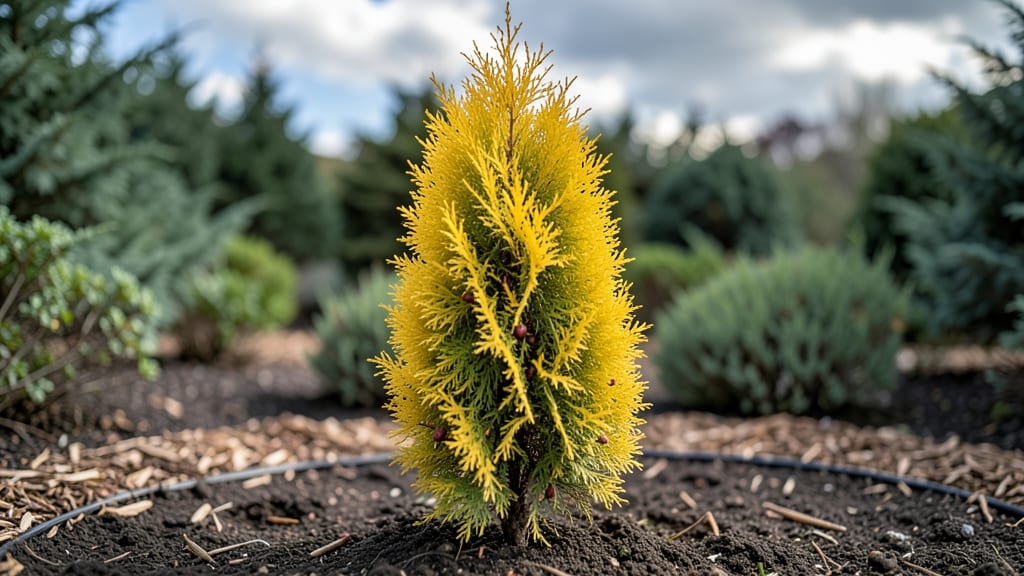
Your golden yew bush deserves pruning that keeps its dense, golden glow year after year—without turning it into a lanky shadow of itself. 🌿 I’ve pruned mine for five winters now, and the secret isn’t aggressive cuts but strategic thinning that lets light and air circulate while preserving that signature compact shape.
One wrong snip can leave gaps where weeds move in, but the right approach keeps it thriving and full for decades.
The best time to prune is late winter or early spring, when new growth is just waking up. Grab sharp pruners and focus on removing 1/3 of the oldest growth—those woody stems at the bush’s center.
This isn’t about shaping; it’s about breathing life into the middle so the edges stay lush and golden. A 10-minute session now means a bush that stays vibrant through summer heat and winter frost.
What you’ll end up with is a bush so dense it repels pests, retains its color all season, and becomes the showstopper of your garden borders.
The key is patience—golden yew responds slowly to pruning, but the payoff is a structure that holds its shape for years without drastic makeovers. Think of it as sculpting with sunlight: less is more.
Works for both formal hedges and loose, natural shapes—just adjust the thinning intensity. And here’s the bonus: properly pruned golden yews outlive most shrubs, becoming a legacy plant in your landscape. Ready to give yours the care it deserves?
📚 In This Guide
- What you need
- Instructions
- Tips and common mistakes
- Wrapping up and next steps
What you need
- ● Pruning shears: Bypass shears (sharp, 5–8 inch blades) for clean cuts on smaller branches.
- ● Loppers: 1 pair (for thicker stems, 12–16 inch reach) to handle stubborn growth.
- ○ Hand pruners (optional but helpful): For precision trimming on delicate branches.
- ● Gloves: Heavy-duty, cut-resistant gloves (gardening or pruning-specific) to protect your hands.
- ● Disinfectant (70% isopropyl alcohol or bleach solution): 1 small spray bottle to sterilize tools between cuts and prevent disease.
- ● Rake or leaf blower: To clear fallen debris after pruning.
- ● Twine or burlap: A small roll to tie up branches if shaping is needed temporarily.
- ● Pruning saw (if needed): For any thick, woody stems that won’t yield to shears.
- ● Pruning sealant: A small tube of wound dressing to coat larger cuts (controversial but useful for some gardeners).
- ● Ladder or step stool: If your yew bush is tall (6+ feet), ensure stability and safety.
- ● Marker flags or spray paint: For marking areas to avoid or highlight cuts (great for beginners!).
- ● Camera or phone: Snap before/after photos to track progress over time!
- ● Timing: Prune in early spring (March–April) or late summer (August–September) to avoid stressing the plant.
- ● Weather: Choose a dry, overcast day—never prune when the bush is wet or in extreme heat.
- ● Safety first: Wear long sleeves and closed-toe shoes to avoid scratches from sharp branches.
- ● Tool prep: Sharpen blades before starting for clean cuts that heal faster.
How to prune golden yew bushes for perfect evergreen shape
Golden yews thrive when you prune with purpose—focus on thinning, not just shaping. Here’s how to keep them lush and healthy.
✂️ Step 1: Time Your Pruning for Best Results
Prune golden yews in early spring before new growth begins or in late fall after foliage hardens. Avoid summer cuts—they stress the plant and invite pests. I always check for fresh, vibrant growth as my cue: if the tips are still soft and green, hold off until spring.
Never prune when the bush is under stress, like during drought or extreme heat. Golden yews are tough, but even they need a break. If you spot yellowing or browning leaves, wait until the plant recovers before touching your shears.
✂️ Step 2: Gather the Right Tools for Clean Cuts
Use sharp, clean pruning shears—dull blades tear stems and leave jagged wounds that heal poorly. I disinfect my shears with rubbing alcohol between cuts to prevent disease spread. For larger branches, grab bypass pruners or a hand saw to avoid crushing the wood.
Wear gloves—golden yew needles can be prickly, and the sap sometimes irritates skin. Keep a small bucket nearby to collect clippings; you’ll need it for cleanup. A folding stool helps reach higher branches safely without straining.
✂️ Step 3: Focus on Thinning, Not Just Shaping
Golden yews grow best with open centers—thin out crowded branches to improve airflow and sunlight penetration. Start at the outer edges and work inward, removing one-third of the oldest growth each year. Look for branches that cross or rub against others; these are prime candidates for removal.
Make cuts just above a leaf bud or side branch to encourage healthy regrowth. Avoid cutting into old wood—it won’t sprout new leaves. If a branch looks dead or brown, snip it back to fresh green growth. You’ll see the bush’s natural shape emerge as you thin.
✂️ Step 4: Shape Gently for a Natural Look
Golden yews hate harsh, geometric cuts—they thrive with soft, rounded forms. Use your shears to trim just the tips of overgrown branches, avoiding deep cuts into the main stem. If a branch grows too long, shorten it by one-third to encourage bushier growth.
Step back often to check your work—you want a full, layered look, not a flat top. Golden yews grow slowly, so prune lightly each year rather than trying to fix everything at once. Over-pruning stresses the plant and can lead to sparse foliage.
💧 Step 5: Care for the Bush After Pruning
Water deeply right after pruning to help the bush recover. Golden yews need 1 inch of water per week, but check the soil—if it’s dry 2 inches deep, give it a good soak. Avoid wetting the foliage to prevent fungal issues.
Apply a balanced, slow-release fertilizer in early spring to support new growth. I use a 10-10-10 formula sparingly—too much fertilizer burns roots. Mulch around the base with 2-3 inches of organic mulch to retain moisture and protect roots from temperature swings.
Tips & tricks for perfect golden yew bush pruning
These practical insights will help you transform your golden yew into a thriving, picture-perfect evergreen—without the guesswork.
Seasonal Timing Secret: The early spring timing in Step 1 is your golden window because that's when the bush is entering active growth but hasn't yet developed tender new shoots. If you must prune in late fall, wait until after the first hard frost—this helps prevent fungal infections that thrive in damp autumn conditions. I've learned the hard way that summer pruning can turn your bush into a pest magnet, so resist the urge to tidy up during warm months.
Tool Prep Technique: Before you start cutting in Step 2, take 5 minutes to sharpen your pruning shears with a file or sharpening stone. A sharp blade makes cleaner cuts that heal faster, and you'll notice the difference immediately in how easily the branches glide through. I keep a small bottle of rubbing alcohol in my toolkit specifically for this step—it's the best way to prevent disease spread between cuts. For larger branches, bypass pruners are worth the investment; they create smoother cuts that look professional.
Thinning Strategy: When you're working through Step 3, think of your golden yew like a haircut—you want layers, not just length control. The one-third rule isn't arbitrary: it mimics natural pruning patterns and prevents over-stressing the plant. Look for branches that grow inward or upward—they're the ones causing crowding. Pro tip: If you're unsure about a cut, make it smaller first. You can always remove more later, but you can't put back what you've cut away.
Post-Prune Recovery: That deep watering in Step 5 isn't just about hydration—it's about giving your bush a shock treatment to help it recover faster. After pruning, the plant's root system needs to work overtime to support new growth. I've found that adding a handful of compost to the soil after watering gives an extra nutrient boost without overwhelming the roots. The 2-3 inches of mulch acts like a blanket, protecting roots from temperature swings that can stress the plant during recovery.
Pro Tips for Golden Yew Bush
- These practical insights will help you transform your golden yew into a thriving, picture-perfect evergreen—without t...
- Seasonal Timing Secret: The early spring timing in Step 1 is your golden window because that's when the bush is enter...
- Tool Prep Technique: Before you start cutting in Step 2, take 5 minutes to sharpen your pruning shears with a file or...
Frequently asked questions
Got questions about pruning your golden yew bush? You’re not alone! Here are answers to the most common concerns—from timing to troubleshooting—so you can keep your evergreen looking lush and healthy.
When is the best time to prune a golden yew bush?
The ideal time is late winter or early spring (February–March in most climates). This gives your bush time to recover before summer heat stress. Avoid heavy pruning in fall—new growth may not harden off before frost. For light shaping, you can prune lightly in summer, but avoid cutting into old wood.
How much can I prune without harming the bush?
Never remove more than 25–30% of the foliage in a single season. Golden yews are resilient, but over-pruning can stress the plant, leaving it vulnerable to pests or disease. Focus on thinning cuts to improve airflow—aim for a 1/3 reduction in density, not aggressive shearing.
Why are my golden yew leaves turning brown after pruning?
Brown tips or patches often signal over-pruning, drought stress, or fungal issues (like needle blight). Water deeply after pruning and avoid cutting into old, woody stems. If browning persists, check for spider mites or scale insects—neem oil can help if pests are the culprit.
Can I use hedge trimmers instead of hand pruners?
Yes, but with caution! Hedge trimmers work for light shaping, but they can damage inner branches if used too aggressively. For thick growth, switch to bypass pruners or loppers. Always prune at a 45-degree angle just above a leaf node to encourage healthy regrowth.
Do golden yews need full sun to thrive after pruning?
They prefer partial shade (morning sun + afternoon shade), especially in hot climates. Pruning exposes more foliage to sun, which can scorch leaves. If your bush is in full sun, water deeply 2–3 times per week and mulch to retain moisture. After pruning, monitor for sunburn and provide afternoon shade if needed.
Pro Tip:
Mark your pruning schedule with a calendar reminder—consistency is key! Light, regular pruning (every 6–12 months) keeps your golden yew bush dense, disease-resistant, and stunning year-round.
Wrapping up and next steps
The golden yew bush is a stunning evergreen that thrives with the right pruning care—thinning cuts keep it lush, healthy, and structurally sound. By following the steps above, you’ll encourage dense growth, prevent disease, and maintain its golden glow year after year. 🌿✨
Ready to give your golden yew the attention it deserves? Grab your tools, step outside, and start pruning with confidence—your bush (and your garden!) will thank you. For extra tips, check out our pruning calendar to time your cuts perfectly!