
Pests
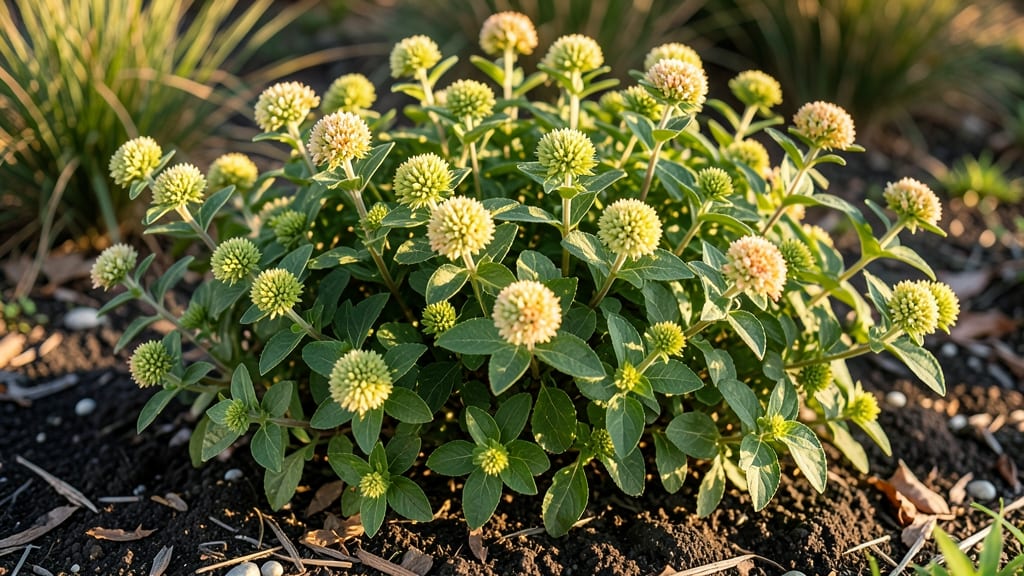
A greenish-yellow bush could mean pests are stealing your plant’s lunch. 🌿 I’ve seen this exact problem turn thriving shrubs into sad, patchy shadows—until I figured out what was really going on. The good news? Most causes have quick fixes, whether it’s hungry pests, overwatering, or a simple nutrient boost.
Start by checking the leaves: yellowing with brown spots? Likely fungal or pest damage. Yellowing without spots? Probably overwatering or nitrogen deficiency. Grab a handful of soil—if it smells sour or stays damp for days, drainage is your issue.
Spider mites or aphids often hide on the undersides of leaves, too, so flip them over for a closer look.
Once you spot the problem, act fast. For pests, a strong spray of water or insecticidal soap works in 24 hours. Overwatering? Let the soil dry out completely between waterings.
Yellowing from lack of nutrients? A balanced fertilizer or compost tea revives plants in 7-10 days. Prune dead branches to help the bush focus on recovery.
Most fixes take less than a week to show results, and your bush will bounce back stronger than ever. The key is catching it early—don’t let those greenish-yellow patches spread! Here’s how to diagnose and fix it step by step.
Root Causes Of Discoloration
When your greenish-yellow bush starts losing its vibrant hue, it’s usually a sign that something’s off beneath the surface. Understanding the root causes can help you diagnose the issue and take action before it’s too late.
Here’s a breakdown of the most common culprits and why they turn your foliage into a sad, muted shade.
A bush that’s struggling to get the right nutrients often shows up as a dull, greenish-yellow color. This isn’t just about lack of sunlight—it’s about what’s (or isn’t) being absorbed through the roots. Here’s what’s likely missing:
- Nitrogen (N): The most common deficiency, nitrogen is essential for leaf production and chlorophyll (the pigment that makes plants green). Without enough nitrogen, leaves turn pale yellow, starting from the oldest ones. Think of it like running on empty—your bush is starving for energy to stay vibrant.
- Iron (Fe): Iron is critical for chlorophyll production, and a deficiency causes interveinal chlorosis—where the veins stay green, but the tissue between them turns yellow. This is especially common in alkaline soils, which lock out iron.
- Magnesium (Mg):strong> Magnesium is the backbone of chlorophyll. A shortage causes yellowing that starts between the veins and spreads outward, often on older leaves first. It’s like the plant’s green pigment is being stripped away from the inside out.
💡 Pro Tip: Conduct a simple soil test to identify deficiencies. If nitrogen is the issue, a balanced fertilizer (like a 10-10-10) can help. For iron or magnesium, use chelated forms (like iron chelate or Epsom salt) for better absorption.
Too much water might seem like a good thing, but it’s one of the fastest ways to turn your bush’s leaves greenish-yellow. Here’s why:
- Root Rot: Overwatering suffocates roots by cutting off oxygen, leading to fungal infections like Phytophthora or Pythium. These fungi block nutrient uptake, causing leaves to yellow and wilt. The roots may turn mushy or black—a sure sign of rot.
- Nutrient Leaching: Excess water washes away essential nutrients from the soil before roots can absorb them. It’s like flushing money down the drain—your bush is left malnourished even if the soil looks damp.
- Compacted Soil: Poor drainage often goes hand-in-hand with compacted soil, which restricts root growth. Roots can’t spread or absorb water/nutrients efficiently, leading to stunted growth and yellowing.
🔥 Fix It: Let the top 1–2 inches of soil dry out between waterings. Improve drainage by amending the soil with perlite, sand, or organic matter like compost. If your bush is in a pot, ensure it has drainage holes.
Light is the fuel for photosynthesis, but too much or too little can stress your bush out, leading to that unappealing greenish-yellow hue.
- Sunburn: Intense sunlight can scorch leaves, causing them to turn yellow or brown, especially on the edges. This is common in young plants or those suddenly moved to a sunnier spot.
- Shade Stress: While some plants thrive in shade, many need at least 4–6 hours of sunlight daily. Without enough light, chlorophyll production slows, and leaves may turn pale or yellow as the plant stretches toward the light.
- Temperature Fluctuations: Extreme heat or cold can shock the plant, disrupting nutrient uptake and causing yellowing. Think of it like a plant version of heat exhaustion.
🌡️ Adjust Accordingly: Gradually acclimate your bush to more or less sunlight. Use shade cloth for protection if it’s getting too much sun, or move it to a brighter spot if it’s languishing in the shade. Mulching can also help regulate soil temperature.
Sometimes, the greenish-yellow color is a cry for help from pests or pathogens hitching a ride on your bush.
- Sap-Sucking Pests: Insects like aphids, spider mites, or whiteflies feed on plant sap, weakening the leaves and causing them to yellow. They also excrete honeydew, which can attract sooty mold—a black fungal growth that further blocks sunlight.
- Fungal Infections: Diseases like powdery mildew or rust can cause yellowing or spotting on leaves. These fungi thrive in humid conditions and often appear as white, powdery patches or orange pustules.
- Root-Knot Nematodes: These microscopic worms attack roots, reducing the plant’s ability to absorb water and nutrients. Above-ground symptoms include stunted growth and yellowing leaves.
🔪 Act Fast: Inspect your bush for pests (check undersides of leaves!) and treat with neem oil or insecticidal soap. For fungal issues, remove affected leaves and apply a copper-based fungicide. If nematodes are suspected, solarize the soil or use resistant plant varieties.
Sometimes, the problem isn’t a deficiency—it’s an excess. Over-fertilizing or using the wrong soil pH can lead to nutrient toxicity or lockout, causing yellowing.
- Salt Buildup: Overuse of fertilizers (especially synthetic ones) or hard water can increase soil salinity. High salt levels disrupt water uptake and nutrient absorption, leading to yellowing and leaf burn.
- Alkaline Soil: Soils with a high pH (above 7.0) can make essential nutrients like iron, manganese, and phosphorus unavailable to plants. This is why many plants in alkaline conditions show yellowing between the veins.
- Herbicide Drift: If your bush is near a lawn or garden treated with herbicides, it might be absorbing chemicals that disrupt its growth, causing yellowing or stunted leaves.
✨ Balance It Out: Flush the soil with water to reduce salt buildup. For alkaline soil, add organic matter (like peat moss or compost) to lower the pH. Avoid fertilizing if the yellowing is recent—your bush might be suffering from overfeeding.
Quick fixes for unwanted bush growth
If your garden is overrun with a greenish yellow bush that’s spreading uncontrollably—or worse, hiding pests—don’t panic. The right approach depends on the root cause, whether it’s overgrowth, pests, or poor soil conditions.
Below, we break down practical solutions tailored to each problem, plus tips to keep your yard pest-free long-term.
If the bush is simply growing too aggressively, pruning or removal is the fastest fix. Act now before it crowds out other plants or becomes a pest magnet.
- 🔪 Prune Strategically
- Use clean, sharp shears to avoid spreading disease. Cut back 1/3 of the bush to encourage bushier, healthier growth.
- Remove dead or yellowing branches first—they’re energy drains and pest attractants.
- 💡 Pro Tip: Prune in early spring (before new growth) or late fall to minimize stress on the plant.
- 🌳 Dig It Out (If Needed)
- For invasive or non-native species, complete removal is best. Dig a 12-inch-wide trench around the roots to sever them.
- 🔥 Warning: Wear gloves—some bushes (like poison ivy) can cause rashes.
- 🌱 Replace with: Native plants like butterfly bush or spirea (pest-resistant and low-maintenance).
- 🚫 Prevent Regrowth
- Apply a pre-emergent herbicide (like corn gluten meal) to the soil to block new sprouts.
- Mulch heavily with wood chips or gravel to suppress weeds and retain moisture.
If the greenish-yellow hue signals aphids, spider mites, or scale insects, act fast before the pests spread. Here’s how to eliminate them without harsh chemicals (when possible).
| Pest Type | Signs | Fix It Fast | Prevent Return |
|---|---|---|---|
| Aphids | Sticky residue (honeydew), curled leaves, ants (they farm aphids!) |
|
|
| Spider Mites | Tiny webs, speckled yellow leaves, dry/brittle foliage |
|
|
| Scale Insects | Bumpy, shell-like pests on stems/leaves, sticky honeydew |
|
|
Yellowing leaves or stunted growth? The issue might be nutrient deficiency, fungal disease, or compacted soil. Here’s how to nurse your bush back to health.
- 💧 Check the Water
- 🌡️ Overwatering? Let soil dry 2 inches deep between waterings. Use a moisture meter if unsure.
- 💦 Underwatering? Water deeply 2–3 times per week (early morning is best).
- 🍄 Treat Fungal Issues
- 🧴 Baking soda spray (1 tbsp baking soda + 1 tsp soap + 1 gallon water) for powdery mildew.
- 🌿 Copper fungicide for stubborn infections (follow label instructions).
- 🌳 Improve airflow by pruning dense branches.
- 🌱 Boost Soil Health
- 🔄 Aerate compacted soil with a garden fork or core aerator.
- 🍂 Add compost (2–3 inches) around the base, keeping it 3 inches away from the trunk.
- 📊 Test soil pH—most bushes thrive in slightly acidic (6.0–7.0) soil. Adjust with lime (to raise pH) or sulfur (to lower it).
Frequently asked questions
1Why are my bush leaves turning greenish-yellow?
This usually signals a nutrient deficiency (like nitrogen or iron), overwatering, or pest damage. Check the soil moisture and leaf patterns—yellowing with brown spots likely means pests or fungal issues, while uniform yellowing suggests nutrient problems or poor drainage.
2How do I tell if my bush has spider mites?
Look for tiny webs on leaf undersides and speckled yellow leaves. Hold a white sheet under the bush and shake it—mites will drop onto the fabric. Treat immediately with neem oil or a strong water spray to dislodge them.
3Can I fix yellowing leaves with fertilizer?
Only if the cause is a nutrient deficiency! Test your soil first. For nitrogen deficiency, use a balanced fertilizer (like 10-10-10). For iron deficiency, try chelated iron or Epsom salt—but avoid fertilizing if the yellowing is from overwatering or pests.
4How often should I water a bush with yellowing leaves?
Let the top 2 inches of soil dry out between waterings. Overwatering causes root rot, which blocks nutrient uptake and turns leaves yellow. Water deeply in the morning to encourage strong root growth and prevent fungal issues.
5What’s the fastest way to remove aphids from my bush?
Blast them off with a strong spray of water first, then apply soapy water (1 tsp mild soap per quart). For severe infestations, neem oil works within 24 hours. Introduce ladybugs as natural predators to keep them away long-term.