
Pruning
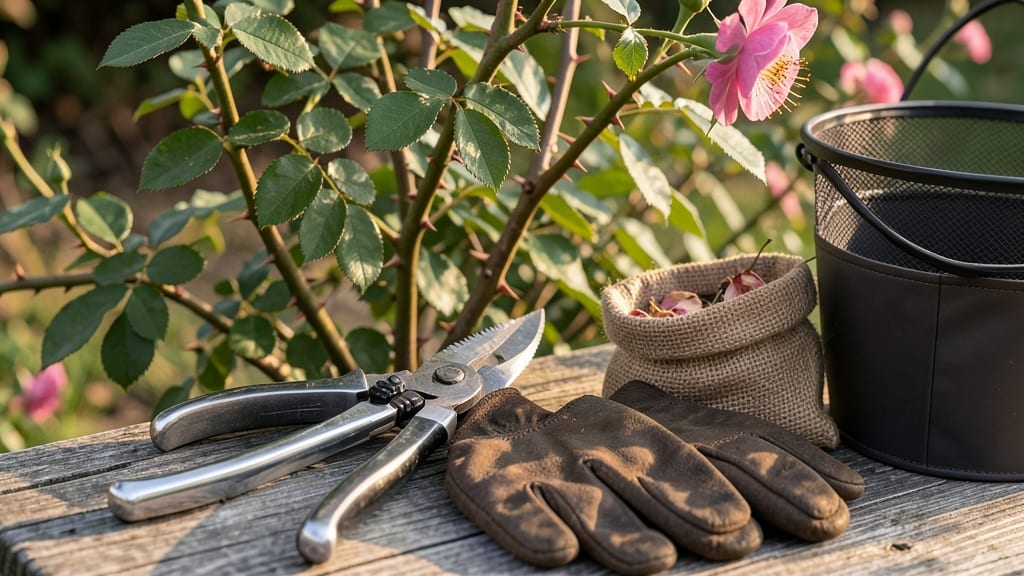
Clipping a rose bush right means 100 more blooms by summer. ✂️ I’ve turned my tangled, overgrown bushes into lush, flowering showstoppers by mastering just three simple cuts—no fancy skills needed. The key is timing, clean cuts, and knowing which stems to keep (and which to say goodbye to).
Most people prune too late or too aggressively, but roses reward patience. Start in late winter when plants are dormant, then do light maintenance trims after each bloom cycle. You’ll avoid the common mistake of cutting into old wood or leaving stubs—both invite disease and weak growth.
After pruning, your bush will send out new red shoots within weeks, with the first flush of blooms arriving in 4-6 weeks. The shape stays compact, and the plant focuses energy on flowers instead of leggy stems. Just remember: one-third of last year’s growth is your target each season.
Works for hybrid teas, climbers, and shrub roses alike. Let’s get those shears sharp and those canes trimmed!
📚 In This Guide
- What you need
- Instructions
- Tips and common mistakes
- Wrapping up and next steps
What you need
- ● Bypass Pruners – Sharp, high-quality (e.g., Felco or Fiskars), disinfected (70% rubbing alcohol or bleach solution). 1 pair is all you need!
- ○ Loppers – For thicker stems (½-inch to 1½-inch diameter). 1 pair (optional but handy for mature bushes).
- ● Pruning Saw – For oversized branches (2+ inches thick). 1 small hand saw with a fine-tooth blade.
- ● Gloves – Garden gloves (heavy-duty, rose-resistant if possible) to protect from thorns and bacteria.
- ● Disinfectant – Rubbing alcohol (70%) or bleach (1:9 bleach-to-water ratio) to sterilize tools between cuts.
- ● Garden Twine or Rubber Bands – To tie up large branches pre-trimming (if needed). 1 roll or 5–10 bands.
- ● Bucket or Bag – For collecting pruned debris. A 5-gallon bucket or heavy-duty trash bag works.
- ● Hose or Water Spray Bottle – To clean tools and rinse cuts after trimming.
- ● Hand Pruners (for small stems) – If you prefer a lighter tool for delicate trimming.
- ○ Pruning Sealant – Optional for large cuts (e.g., tree wound pruning paste) to prevent disease.
- ● Knee Pads or Stool – For comfort if your rose bush is tall or thorny.
- ● Spray Bottle with Soap & Water – For quick tool cleaning between cuts.
- ● Notebook & Pen – To sketch a map of your cuts if you’re unsure about structure.
How to clip a rose bush: seasonal trimming for longer blooms
Here’s the method I use to keep my roses blooming all season—no fancy tools, just sharp cuts and a little patience.
✂️ Step 1: Time Your Cuts for the Best Results
Roses bloom best when pruned at the right time. For most varieties, the best time to clip is late winter or early spring—just as new growth begins but before buds swell. This encourages strong, healthy stems for the blooming season. If you’re pruning in summer, do it right after a bloom cycle to promote the next flush of flowers.
Watch for swollen buds on the stems—when you see them, it’s time to start shaping. Avoid pruning in fall unless you’re in a mild climate, as new growth won’t harden off before winter. I always mark my calendar for February 15th as my target date in most climates—this gives roses enough time to recover before summer heat arrives.
🌿 Step 2: Gather Your Tools and Prepare the Bush
You’ll need clean, sharp pruning shears (or loppers for thicker stems) and rubbing alcohol or bleach to sterilize them between cuts. Dirty tools spread disease, and roses are especially susceptible to fungal infections. I wipe my shears with rubbing alcohol after every few cuts to keep everything sanitary.
Before you start cutting, remove any dead, diseased, or crossing branches. Dead wood is easy to spot—it’s brown, brittle, and won’t bend. Diseased stems often have black spots or mold, while crossing branches rub against each other, creating wounds that invite pests. Step back and look at the bush as a whole to decide which branches need to go.
✂️ Step 3: Make Clean Cuts at the Right Angle
When you prune, cut just above an outward-facing bud, making a 45-degree angle about ¼ inch above it. This angle helps water run off the stem instead of pooling and rotting the cut. If you’re pruning a thick stem, make the cut slightly farther away from the bud to avoid damaging it.
Never leave stubs—this invites disease and weakens the plant. If you’re unsure where to cut, look for the small bump where a leaf or bud was attached. That’s your target spot. For very thick stems, use loppers and make the cut just outside the branch collar (the swollen area where the branch meets the main stem).
☀️ Step 4: Thin Out for Better Airflow and Light
Roses need good airflow to stay healthy and prevent fungal diseases like black spot. Aim to remove about ⅓ of the oldest wood each year to encourage new growth. Start by thinning out weak or spindly stems—these won’t produce strong blooms. Then, remove any branches that grow inward or cross over others.
You’ll know you’re doing it right when the center of the bush opens up. Light should be able to reach the inner stems, and you should see new green shoots emerging within a few weeks. If the bush looks too bare, don’t worry—roses bounce back quickly with proper care. I always step back every few cuts to check my progress and avoid over-thinning.
🌱 Step 5: Finish with a Light Fertilizing and Watering
After pruning, give your rose bush a light application of balanced fertilizer (like 10-10-10) to encourage new growth. Water deeply right after to help the plant recover from the stress of trimming. Avoid heavy fertilizing right after pruning—it can burn tender new shoots.
Watch for new buds forming within 2-4 weeks. If you see yellowing leaves or wilting, it might mean you pruned too aggressively or the plant needs more water. A well-pruned rose should have strong, upright stems and a full, bushy shape. If you’re happy with the structure, you’re ready to sit back and enjoy the blooms!
Tips & tricks for perfect rose bush trimming
These simple strategies will help you transform your rose bushes into blooming powerhouses with minimal effort.
Timing is Everything: I can't stress this enough—late winter or early spring is the absolute best time to prune. That February 15th target date I mentioned works for most climates because it gives your roses enough time to recover before summer heat arrives. If you're in a warmer zone, you can push it back to March. The key is to prune when you see those first swollen buds starting to form, but before they actually open. This timing ensures you're not cutting off potential blooms and gives the plant energy to focus on new growth.
The Right Tools Make All the Difference: Don't skip the sterilization step! I've seen too many gardeners skip this, and it leads to fungal infections that can ruin a whole bush. Keep rubbing alcohol or bleach on hand and wipe your shears between every few cuts. For thicker stems, loppers are your best friend—they give you the leverage to make clean cuts without crushing the stem. And here's a pro move: sharpen your tools before you start. Dull blades tear stems instead of making clean cuts, which invites disease. A simple file or sharpening stone does the trick.
Visual Cues for Perfect Cuts: When making those 45-degree angles, look for the small bump where leaves or buds were attached—that's your target spot. For thicker stems, focus on cutting just outside the branch collar (that swollen area where the branch meets the main stem). Think of it like making a tiny roof over the bud—this helps water run off and protects the plant. And here's what nobody tells you: if you're unsure about a cut, make it slightly longer rather than shorter. You can always go back and trim more, but you can't put back what you've cut off.
Post-Pruning Care is Half the Battle: After you've finished trimming, don't just walk away! That light application of 10-10-10 fertilizer is crucial for kickstarting new growth. I like to water deeply right after pruning to help the plant recover from the stress. Here's my secret: add a handful of compost to the soil around the base. The microbes in compost help break down nutrients so your roses can absorb them faster. Watch for those new green shoots within 2-4 weeks—they're your sign that everything's working. If you see yellowing leaves, it might mean you pruned too aggressively or your plant needs more water.
Pro Tips for Clip A Rose Bush
- These simple strategies will help you transform your rose bushes into blooming powerhouses with minimal effort.
- Timing is Everything: I can't stress this enough—late winter or early spring is the absolute best time to prune.
- The Right Tools Make All the Difference: Don't skip the sterilization step!
Frequently asked questions
Got questions about clipping your rose bush? You’re not alone—pruning can feel tricky! Here are answers to the most common concerns to help you trim with confidence.
When is the best time to prune roses?
For most roses, late winter or early spring (just before new growth starts) is ideal. Repeat-blooming varieties (like hybrid teas) also benefit from a light trim after the first flush of flowers in summer. Avoid heavy pruning in fall—it can leave roses vulnerable to cold or disease.
Can I prune roses in winter?
Light maintenance (like removing dead or diseased branches) is fine in winter, but avoid heavy pruning. Cold weather stresses plants, and fresh cuts may not heal properly. Wait until temperatures stabilize above freezing before major trims.
How do I know if I’m cutting too much?
If you’re removing more than ⅓ of the bush’s total growth, you’re overdoing it. Look for outward-facing buds—these should be just above your cuts. Over-pruning can stunt blooms or weaken the plant. When in doubt, err on the side of caution!
What if my roses don’t bloom after pruning?
Several factors could be at play:
- Pruned at the wrong time (e.g., too late in the season).
- Not enough sunlight or water.
- Over-fertilizing with high-nitrogen (which promotes leaves over flowers).
Can I use hedge trimmers instead of shears?
Hedge trimmers can work for large, overgrown bushes, but they risk damaging stems or creating jagged cuts that invite disease. For precision, especially on canes, hand pruners or loppers are better. Save trimmers for shaping after you’ve done the bulk of the work.
Wrapping up and next steps
Clipping your rose bush doesn’t have to be intimidating—with the right tools, timing, and technique, you’ll transform it into a thriving, bloom-filled beauty! 🌹 Whether you’re pruning for the first time or refining your skills, remember that seasonal care is key to keeping those petals popping year after year.
Now that you’re armed with knowledge, grab those shears and get pruning—your roses will thank you with vibrant, long-lasting blooms!
Ready for more? Check out our guide on fertilizing roses for maximum growth to keep your bush lush and full of life!