
Pests
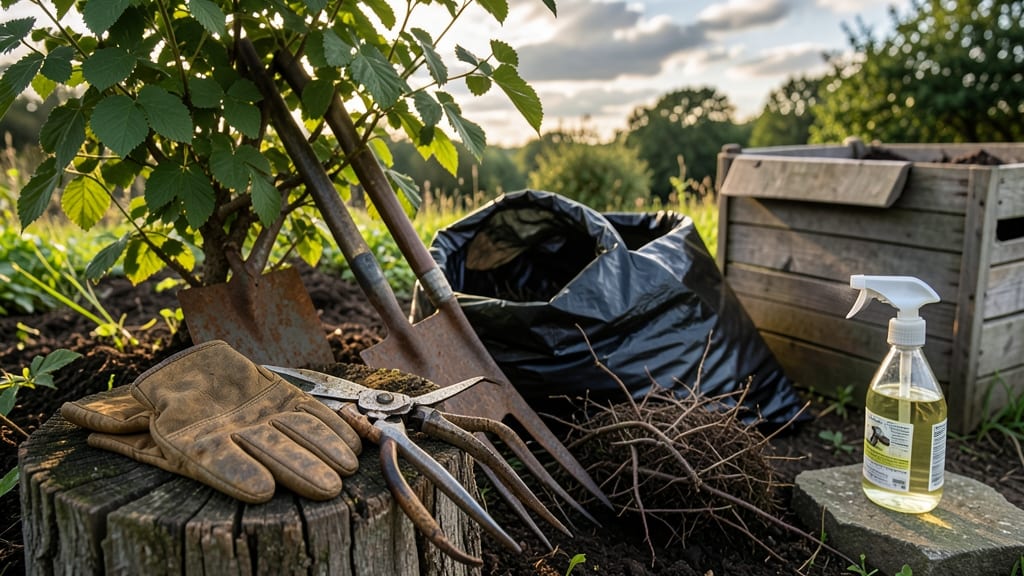
Raspberry bushes that spread like weeds can turn your garden into a thorny jungle. 🌿 I’ve wrestled with these aggressive plants for years, and I’ve learned the most effective ways to banish them for good—without harsh chemicals or endless pulling sessions that leave you frustrated.
The secret lies in timing and technique. Digging up raspberries in late fall or early spring—when they’re dormant—makes the job easier, and cutting roots at the base prevents stubborn regrowth.
You’ll need gloves, a sharp shovel, and a little elbow grease, but the payoff is a cleaner yard and fewer thorns to deal with.
By following the right steps, you’ll eliminate even the toughest patches in one afternoon, and I’ll show you how to keep those roots from creeping back. The key is persistence—raspberries fight hard, but they’re no match for the right approach.
Whether you’re clearing space for a new garden bed or just tired of the mess, this method works for any yard size. Let’s get those invasive bushes out for good—permanently.
📚 In This Guide
- What you need
- Instructions
- Tips and common mistakes
- Wrapping up and next steps
What you need
- ● Gloves (heavy-duty) – 1 pair (to protect your hands from thorns and debris). Opt for gardening gloves with reinforced palms.
- ● Pruning shears or loppers – 1 pair (for cutting thick stems; look for bypass pruners with a 6–8" blade for precision).
- ● Shovel or spade – 1 (for digging up roots; a flat-edged spade works best for stubborn patches).
- ● Wheelbarrow or large trash bags – 1–2 (to haul away debris; heavy-duty contractor bags hold more).
- ● Rake – 1 (for clearing loose soil and small roots; a bow rake with 4–6" tines is ideal).
- ● Vinegar (white, 5% acetic acid) – 1 gallon (for organic herbicide; undiluted works best).
- ○ Salt (optional but effective) – 1–2 lbs (mixes with vinegar for a powerful organic killer—use sparingly!).
- ○ Dish soap (optional) – 1 tbsp (adds to vinegar mix to break down plant membranes faster).
- ○ Mulch or landscape fabric (optional) – Enough to cover the area (prevents regrowth; black plastic mulch is a budget-friendly choice).
- ● Garden hose with spray nozzle – For applying vinegar mixtures evenly.
- ● Work boots or closed-toe shoes – To shield your feet from thorns.
- ● Safety goggles – If you’re burning debris (protects eyes from smoke/debris).
- ● Root killer (glyphosate-based, if organic isn’t an option) – Follow label instructions for application.
- ● Compost bin – To repurpose healthy soil/debris (if you’re eco-conscious!).
Step-by-Step instructions for removing raspberry bushes
Here’s how I tackle raspberry removal—no chemicals, just smart techniques that work.
🪴 Step 1: Cut Back the Canes to the Ground
Start by wearing thick gloves and long sleeves—raspberry canes have thorns that pack a punch. Use loppers or pruning shears to cut all visible canes down to the soil level. This weakens the plant’s energy reserves and makes the roots easier to dig up later. I like to do this in early spring before new growth begins, but late fall works too.
Don’t worry about leaving stubs—just hack everything back. The goal is to remove as much of the plant as possible before tackling the roots. If you have a large patch, work in sections to avoid exhaustion. You’ll see the canes look like bare sticks after this step, but that’s exactly what we want.
✂️ Step 2: Dig Out the Root System
Wait 2-4 weeks after cutting the canes before digging—this gives the roots time to weaken. Use a sharp shovel or garden fork to loosen the soil around the base of where the canes were growing. Work in a circular motion, trying to get at least 12 inches deep and 18 inches out from the plant’s center.
Raspberry roots spread aggressively, so check the soil for any remaining root pieces. Even small fragments can regrow into new plants. If you find stubborn roots, use a hand trowel to pry them out. I’ve found that soaking the area with water a day before digging makes the soil easier to work with.
🌱 Step 3: Smother or Remove Remaining Debris
Once you’ve pulled up all the roots and canes, don’t just toss them in the compost—they’ll likely regrow. Instead, bundle them up and dispose of them in yard waste or burn them if allowed in your area. For the empty soil, you have two options: smother or replant.
To smother, lay down cardboard or thick black plastic over the area and weigh it down with rocks or mulch. Leave it for at least 6 months to kill any remaining roots. If you’re replanting, turn the soil and mix in 2-3 inches of compost to improve the bed for your new plants. This also helps break up any lingering root fragments.
💧 Step 4: Monitor for Regrowth
Raspberry bushes are persistent, so keep an eye on the area for at least a year. New shoots can pop up from even tiny root pieces left in the soil. If you spot any regrowth, dig them out immediately before they establish. I’ve seen raspberries come back from roots buried 18 inches deep, so thoroughness is key.
For extra insurance, consider planting deep-rooted competitors like asparagus or comfrey in the area—these plants will outcompete any lingering raspberry roots. If you’re dealing with a large patch, repeat the process in sections to stay on top of regrowth. Patience and persistence pay off here.
Tips & tricks for swift raspberry bush removal
Between us, raspberry bushes are tenacious little fighters—here's how to outsmart them without losing your patience or your garden space.
Timing is Everything: Early spring or late fall are the best times to tackle raspberry bushes because the plants are either waking up from dormancy or preparing to go dormant. This makes them easier to cut back and weakens their root systems before you dig. I've found that late fall works especially well because the ground is still workable but the roots haven't yet sent out new growth for the next season.
Root System Rescue Strategy: When you're digging out those roots in Step 2, don't just focus on the obvious thick roots—raspberry bushes send out long, thin root runners that can stretch 18 inches deep or more. Use a garden fork to gently pry around the edges of your digging circle. I've seen tiny root fragments as thin as a pencil regrow into new plants, so take your time and check the soil thoroughly. A small hand trowel works wonders for getting into tight spaces.
Smothering Success: For that smothering technique in Step 3, make sure your cardboard or plastic covers the entire area completely—no gaps! I've seen sunlight sneak through tiny openings and create new growth spots. If you're using cardboard, remove any tape or staples first, as these can prevent proper decomposition. For extra insurance, add a layer of mulch on top of your smothering material to keep it in place during wind or rain.
Regrowth Watch: That at least 1-year monitoring period in Step 4 is non-negotiable. I've had readers tell me they thought they'd won the battle only to find new shoots popping up months later. Set a reminder in your phone or mark your calendar—consistency is key. If you spot any regrowth, pull it immediately before it establishes new roots. Even a single shoot can become a full bush within a season.
Pro Tips for Get Rid Of Raspberry Bushes
- Between us, raspberry bushes are tenacious little fighters—here's how to outsmart them without losing your patience o...
- Timing is Everything: Early spring or late fall are the best times to tackle raspberry bushes because the plants are ...
- Root System Rescue Strategy: When you're digging out those roots in Step 2, don't just focus on the obvious thick roo...
Frequently asked questions
When is the best time of year to remove raspberry bushes?
The ideal time to eliminate raspberry bushes is late winter or early spring (before new growth starts) or fall (after harvest but before frost). This minimizes regrowth and makes the process easier. Avoid removing them in summer—you’ll risk spreading seeds or attracting pests.
Will cutting down raspberry bushes make them grow back?
Yes! Raspberry bushes are highly persistent and will regrow from the roots if not fully removed. Simply cutting them down leaves the crown intact, leading to new shoots. To prevent regrowth, dig up the roots or apply a vinegar-based herbicide to kill the root system.
Are there natural ways to kill raspberry bushes without chemicals?
Try these organic methods:
- Solarization: Cover the area with clear plastic for 4–6 weeks to bake out roots.
- Smothering: Lay thick cardboard or mulch to block sunlight and starve the plant.
- Boiling water: Pour directly on the cut stumps to kill remaining tissue.
Can I just till the raspberry bushes into the soil?
Tilling can temporarily suppress raspberries, but fragments may resprout. For long-term removal, dig deeply (at least 12 inches) to expose and kill all root sections. If tilling, repeat annually for 2–3 years to ensure elimination.
Will removing raspberry bushes attract pests or diseases?
Not if done correctly! Decaying roots may briefly attract fungi or insects, but proper removal (digging or burning debris) minimizes risks. Disinfect tools with rubbing alcohol between cuts to prevent spreading pathogens to other plants.
Wrapping up and next steps
Removing raspberry bushes doesn’t have to be a daunting task—with the right tools and techniques, you can reclaim your space organically and efficiently. Whether you opt for manual removal, smothering, or chemical-free herbicides, consistency is key to ensuring those pesky canes don’t make a comeback. 🌱
Now that you’re armed with the know-how, take action today! Start small—clear a section, monitor progress, and celebrate each step. Before you know it, your yard will be free of raspberry invaders, and you’ll be savoring the satisfaction of a job well done. Happy gardening! 🌿