
How To
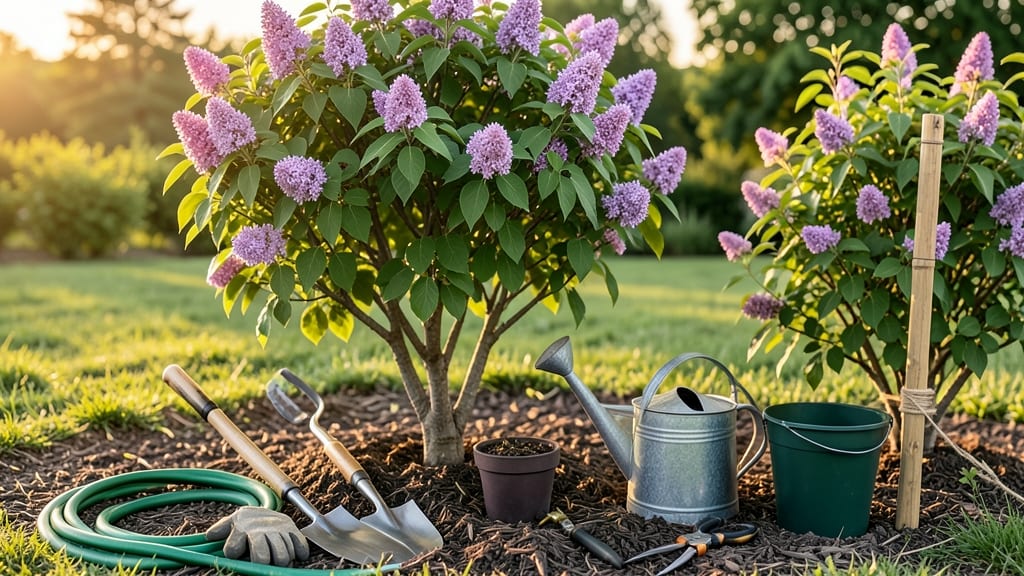
Transplanting a lilac bush without root shock means keeping it blooming for decades. ✨ The secret lies in timing—late fall or early spring when the plant is dormant but roots are active enough to regrow quickly.
Most gardeners rush this step, but patience here determines whether your lilac thrives or struggles for years.
Start by digging a hole twice as wide as the root ball and amending the soil with compost to improve drainage. Water the bush thoroughly the day before moving it to reduce stress.
When lifting, keep the root ball intact—any broken roots slow recovery. After replanting, stake the bush temporarily to support it while new roots establish.
📚 In This Guide
- What you need
- Instructions
- Tips and common mistakes
- Wrapping up and next steps
What you need
- ● Lilac bush: A healthy, mature bush (3-5 years old) with a root ball intact.
- ● Garden fork or spade: A sturdy, sharp-edged tool for digging (18-24" deep).
- ● Pruning shears: Clean, sharp shears to trim damaged roots or branches.
- ● Wheelbarrow or large bucket: For transporting soil and the root ball (5+ gallons).
- ● Burlap or landscape fabric: To wrap the root ball (2-3 feet wide).
- ● Twine or rope: To secure the fabric around the root ball (10-15 feet).
- ● Shovel: For digging the new planting hole (12-18" wider than the root ball).
- ● Garden hose with nozzle: For watering (soaker hose or sprinkler works too!).
- ● Compost or well-aged manure: 5-10 lbs to enrich the new planting hole.
- ○ Mulch (optional but recommended): 2-3 inches of organic mulch (e.g., shredded bark or straw).
- ● Root stimulator: A liquid or powder to encourage root growth (follow label instructions).
- ● Plant support stake: 6-8 feet tall to secure the bush during transplanting.
- ● Garden gloves: To protect your hands from thorns and dirt.
- ● Soil test kit: To check pH and nutrient levels (ideal pH: 6.0-7.0 for lilacs).
- ● Epsom salt: 1 tbsp dissolved in water for magnesium boost (if old leaves show yellowing).
Step-by-step instructions for transplanting a lilac bush
Here's how I transplant lilacs with zero shock—these bushes bloom like they never moved.
🪴 Step 1: Pick the Perfect New Location and Timing
Lilacs thrive in full sun (at least 6 hours daily) and well-draining soil. I always move them in early spring (just as buds swell) or fall (6 weeks before first frost). Avoid transplanting in summer heat or winter cold—roots need time to establish before stress hits.
Dig a hole twice as wide as the root ball but only as deep as the plant’s root system. Amend the native soil with 2 inches of compost mixed into the bottom—this gives roots a nutrient boost without overwhelming them. I like to water the area 24 hours before transplanting so the soil is moist but not soggy.
✂️ Step 2: Prune and Prepare the Lilac for Moving
Cut back one-third of the oldest stems to the ground right before transplanting. This reduces stress by limiting the plant’s need to support old wood. I also trim any dead or crossing branches—now’s the time to shape it up while it’s dormant.
Water the lilac deeply the night before moving. This keeps roots hydrated during the transplant. If the soil feels dry, give it another drink 4 hours before digging. The goal is to move a plant that’s already well-hydrated, not one struggling for moisture.
🌱 Step 3: Dig and Lift the Root Ball Carefully
Use a sharp spade to dig a clean circle around the lilac, 12-18 inches from the stem. Go deep—aim to get 80% of the root system intact. Tap the spade gently to loosen the soil, then lift the bush straight up. If roots break, don’t worry—lilacs regenerate well, but less damage means faster recovery.
Wrap the root ball in burlap or a tarp to protect it from drying out. If you’re moving it far, keep it shaded and watered. I’ve transplanted lilacs in cool, overcast weather—this prevents root desiccation. Avoid moving on windy days or when temperatures exceed 80°F.
🪴 Step 4: Plant and Stabilize Without Burying the Crown
Lower the lilac into the hole and adjust so the top of the root ball sits level with the surrounding soil—never bury the crown. Fill the hole with native soil mixed with 1 inch of compost, tamping lightly as you go. Water deeply to settle the soil and eliminate air pockets.
Add a 2-inch layer of mulch (wood chips or bark) around the base, keeping it 3 inches away from the stem. This conserves moisture and regulates soil temperature. I stake young lilacs if they’re top-heavy, but mature bushes usually stand on their own. Water once a week for the first month to encourage root growth.
☀️ Step 5: Post-Transplant Care for Fast Recovery
Keep the soil evenly moist (not soggy) for the first 6-8 weeks. Lilacs hate wet feet, so improve drainage if your site pools water. I avoid fertilizing for 3 months—new roots need time to establish before competing with growth demands.
Watch for new leaves in 4-6 weeks—that’s your sign roots are settling in. If the lilac drops buds or leaves, it’s thirsty. By next spring, it’ll bloom like it never moved. Real talk: The first year might be lighter, but patience pays off with stronger blooms for years.
Tips & tricks for transplanting lilac bushes without stress
Moving lilacs without shocking their roots is all about timing, prep, and patience—here’s how to nail it every time.
Timing Secret: The 6 weeks before first frost window in fall is my go-to because cooler temps mean less stress on roots. If you transplant in summer, do it on a cloudy day to prevent wilting. I’ve seen lilacs transplanted in early spring (when buds swell) thrive just as well—just avoid moving when buds are already open, or you’ll lose that year’s blooms.
Root Ball Rescue: When digging, aim to keep that 80% of the root system intact by going deep and using a sharp spade. If roots break, don’t panic—lilacs are tough! But for faster recovery, gently wrap the root ball in burlap or a tarp and keep it shaded if you’re moving it far. I’ve transplanted lilacs in cool, overcast weather to prevent roots from drying out mid-transplant.
Crown Level Check: The most common mistake? Burying the crown. Always position the lilac so the top of the root ball sits level with the surrounding soil. If you bury it, the plant can suffocate; if you leave it too high, roots won’t anchor properly. A quick trick: Use a level tool or even a straight stick to check before backfilling.
Post-Transplant Hydration: Those first 6-8 weeks are critical—water deeply once a week to encourage roots to spread. I avoid fertilizing for 3 months because new roots need time to establish before competing with growth demands. If your soil drains poorly, add a 2-inch layer of mulch (but keep it 3 inches away from the stem) to prevent soggy roots.
Pro Tips for Transplant A Lilac Bush
- Moving lilacs without shocking their roots is all about timing, prep, and patience—here’s how to nail it every time.
- Timing Secret: The 6 weeks before first frost window in fall is my go-to because cooler temps mean less stress on roots.
- Root Ball Rescue: When digging, aim to keep that 80% of the root system intact by going deep and using a sharp spade.
Frequently asked questions
Got questions about transplanting your lilac bush?
You’re not alone—this process can feel tricky! Below, we’ve answered the most common concerns to help you feel confident before digging in.
When is the best time to transplant a lilac bush?
The ideal window is early spring (just as buds swell) or early fall (after blooming but before hard frost). Avoid transplanting in summer heat or winter—root stress spikes in extreme temps! If you must move in summer, do it on a cool, cloudy day and keep the soil moist.
How long does it take for a lilac bush to recover after transplanting?
Most lilacs show signs of recovery in 2–4 weeks, with full vigor returning by next spring. The first year may mean fewer blooms (the plant focuses on roots!), but with proper care—like deep watering and mulch—your bush will bounce back stronger. Patience pays off!
Why is my lilac bush wilting after transplanting?
Wilting often signals transplant shock—common causes include underwatering, root damage, or stress from heat/drought. Check the soil (it should stay consistently moist but not soggy). If wilting persists, trim wilted leaves to reduce stress and shade the bush temporarily with burlap. A light fertilizer (like 10-10-10) can also help.
Can I transplant a lilac bush in full sun or shade?
Lilacs thrive in full sun (6+ hours daily), but they’ll tolerate partial shade (4–6 hours). If moving to a shadier spot, expect smaller blooms and slower growth. Avoid deep shade—this stresses the plant and invites pests. Test the new site for at least a week before transplanting to ensure it meets your lilac’s light needs!
What if my lilac bush doesn’t bloom after transplanting?
Don’t panic! Lilacs often skip blooming the first year as they establish roots. To encourage flowers next season:
- Prune after blooming to shape the bush and remove dead wood.
- Fertilize lightly in early spring with low-nitrogen, high-phosphorus (like 5-10-10).
- Ensure it gets full sun and well-draining soil.
Wrapping up and next steps
Transplanting a lilac bush doesn’t have to be stressful—with the right timing, tools, and care, you can give your plant a fresh start for vibrant blooms year after year.
Remember, the key is minimizing root shock by keeping the roots moist, working in the early spring or fall, and giving your lilac plenty of space to thrive. 🌸
Now that you’re armed with these tips, grab your gloves and get ready to reward your garden with beauty. Ready for the next step? Consider adding mulch or companion plants to boost your lilac’s health—or share your progress with fellow gardening enthusiasts! Happy planting! 🌱