
Picking
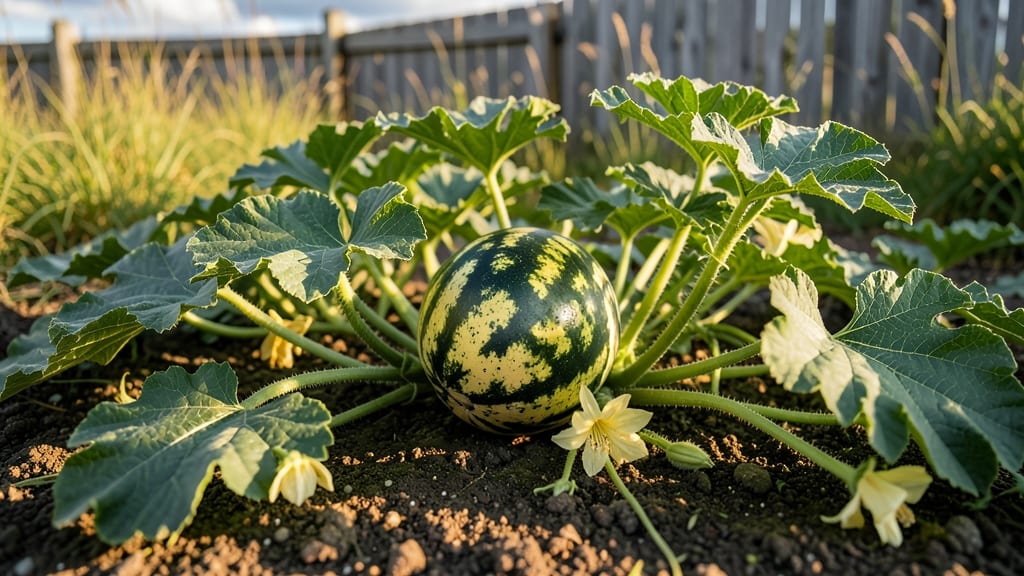
Growing Jubilee bush watermelons changed how I think about summer harvests—no sprawling vines, just compact plants that produce 10+ pounds of sweet fruit in a 3-foot square. 🌱 The secret lies in their unique compact growth habit, which makes them perfect for small spaces, containers, or even balcony gardens where traditional watermelons would flop.
These melons thrive in full sun (6-8 hours daily) and well-draining soil with a pH between 6.0-6.8. Unlike their sprawling cousins, Jubilee varieties stay tidy, producing smaller, round fruits (about 6-8 inches in diameter) with deep red flesh and a classic watermelon flavor.
The key is consistent moisture—keep soil evenly damp but never soggy—and a balanced fertilizer to fuel rapid growth. By mid-summer, you’ll be harvesting ripe, vine-ripped melons every 2-3 weeks, with each plant yielding 5-10 fruits. The best part?
They’re disease-resistant and handle heat better than most varieties, so you can extend your harvest into early fall. No more waiting for perfect conditions—just reliable, sweet results. Whether you’re growing in 5-gallon containers or a raised bed, Jubilee bush watermelons deliver foolproof productivity without the vine management headaches.
Here’s how to set yours up for success!
📚 In This Guide
- What you need
- Instructions
- Tips and common mistakes
- Wrapping up and next steps
What you need
- ● Seeds: 3–5 Jubilee Bush Watermelon seeds (non-GMO, heirloom preferred for best flavor).
- ● Containers or Garden Bed: Containers: 5-gallon pots or larger (at least 12" deep x 18" wide per plant).
- ● Garden Bed: Well-draining soil, 12" deep, with full sun (6+ hours daily).
- ● Soil: 1 part potting mix + 1 part compost (or store-bought watermelon-specific soil).
- ● Fertilizer: Balanced organic fertilizer (10-10-10) or compost tea at planting.
- ● Low-nitrogen fertilizer (5-10-10) during flowering/fruiting (e.g., fish emulsion or bone meal).
- ● Mulch: Straw or black plastic (to retain moisture and suppress weeds).
- ● Watering Supplies: Drip irrigation or soaker hose (avoid overhead watering to prevent disease).
- ● Tools: Trowel or small shovel.
- ○ Garden gloves (optional but helpful!).
- ● Pruning shears (for trimming excess vines if needed).
- ● Plant supports (small stakes or cages for vines).
- ● Row covers (to protect seedlings from pests or frost).
- ● pH test kit (ideal soil pH: 6.0–6.8).
- ● Epsom salt (1 tbsp per plant during flowering for magnesium boost).
- ● Companion plants (e.g., radishes or marigolds to deter pests).
Step-by-step guide to growing Jubilee bush watermelons for maximum yield
Here’s how to coax those sweet, compact vines into producing 20+ pounds of fruit per plant—no sprawling trellis required.
🌱 Step 1: Select the Perfect Planting Site and Prep Soil
Jubilee bush watermelons thrive in full sun (8+ hours daily) and warm soil—plant them after your last frost when soil reaches 70°F. I always test soil pH first (aim for 6.0-6.8); these vines are heavy feeders and need loose, well-draining soil to prevent rot. Amend heavy clay with 2-3 inches of compost mixed into the top 12 inches of soil.
Here’s the thing—Jubilee’s compact growth habit means you can plant them 18 inches apart in rows 3 feet apart. This is where most gardeners mess up: they give them too much space, thinking "bush" means "small." Trust me, they’ll fill that zone. If your soil drains poorly, raise beds 6-8 inches high to prevent waterlogged roots.
☀️ Step 2: Plant Seeds or Transplants at the Right Time
Sow seeds ½ inch deep when nighttime temperatures stay above 60°F—cold soil delays germination for weeks. I’ve found that pre-sprouting seeds on a damp paper towel for 2-3 days at 80°F gives them a head start. Transplants? Look for sturdy 4-6 inch seedlings with 2-3 true leaves—avoid leggy, pale ones.
Watch for first true leaves (the second set after the initial seed leaves) as your cue to thin seedlings if you direct-sowed. Leave the strongest plant per hill, snipping weaker stems at soil level. Don’t skip this—crowded plants compete for nutrients and produce smaller fruit. You’ll see vines radiating outward within 10 days if conditions are right.
💧 Step 3: Water Deeply and Mulch for Consistent Moisture
Jubilee watermelons need 1-1.5 inches of water weekly, but shallow watering stresses them. I water at the base early in the morning using a soaker hose—this prevents fungal diseases that love damp foliage. The key is even moisture: let the top 2 inches of soil dry between waterings, but never let roots dry out completely.
Spread 3-4 inches of organic mulch (straw or shredded leaves work best) around plants after vines start running. This keeps soil cool, retains moisture, and prevents fruit from rotting where it touches wet ground. You’ll notice faster vine growth and larger fruit when mulch is in place—it’s like giving the plant a cozy blanket.
✂️ Step 4: Fertilize Strategically for Heavy Fruit Set
Feed plants with a balanced 10-10-10 fertilizer at planting, then switch to a low-nitrogen, high-phosphorus formula (5-10-10) when vines start flowering. I’ve seen gardeners overdo nitrogen and get lush vines but tiny fruit—don’t make that mistake. Side-dress with compost tea every 3-4 weeks for micronutrients.
Here’s where it gets fun: when first flowers appear, give plants a magnesium sulfate (Epsom salt) boost (1 tablespoon per gallon of water). This prevents blossom-end rot and encourages more female flowers (the ones that turn into fruit). You’ll see thicker vines and heavier fruit loads within weeks of proper feeding.
🍉 Step 5: Harvest at Peak Ripeness for Maximum Sweetness
Jubilee watermelons are ready 75-85 days after planting when the tendril nearest the fruit turns brown and the spot where it meets the vine feels slightly spongy. I tap the fruit with my knuckles—if it sounds hollow, it’s ripe. Cut stems with pruners 1 inch from the vine to avoid tearing the skin.
Don’t wait too long—overripe fruit loses flavor fast. Store harvested melons in a cool (50-55°F), dry place for up to 2 weeks. Pro tip: save seeds from your best melons! Dry them on a paper towel for 3-5 days before storing in an airtight container for next year’s crop.
Tips & tricks for growing Jubilee bush watermelons
Took me years to master these tricks—here's how to turn your Jubilee bush watermelons into a bountiful harvest every season.
Soil Temperature Secret: The 70°F soil temperature requirement isn't just about planting time—it's about root development. I've found that using a soil thermometer to verify this temperature prevents slow germination. If your soil warms up to 70°F but your air temperatures drop below 60°F at night, cover seedlings with frost cloth for the first week. This protects young plants while they establish their root systems.
Seed Starting Hack: That 2-3 day pre-sprouting at 80°F makes all the difference for Jubilee watermelons. I place my seeds between damp paper towels inside a sealed plastic bag with a heating pad underneath. This gives you a 90% germination rate compared to the 50% you'd get planting dry seeds directly. Once sprouted, transplant carefully—those tiny roots are fragile!
Watering Wisdom: The 1-1.5 inches weekly water requirement might seem straightforward, but timing matters. I've learned that watering at the base early in the morning prevents fungal diseases that thrive in damp foliage. Use a rain gauge to measure your water—overwatering causes blossom-end rot, while underwatering leads to bitter fruit. That 2-inch dry topsoil guideline is your best friend for maintaining consistent moisture.
Fertilizer Timing: Switching to that low-nitrogen, high-phosphorus (5-10-10) fertilizer when flowers appear is crucial. I've seen gardeners continue with balanced fertilizer and end up with beautiful vines but tiny fruit. The phosphorus boost encourages root development and fruit production. That 1 tablespoon of Epsom salt per gallon when first flowers appear? It's a game-changer for preventing blossom-end rot and increasing female flowers—the ones that produce fruit.
Pro Tips for Jubilee Bush Watermelon
- Took me years to master these tricks—here's how to turn your Jubilee bush watermelons into a bountiful harvest every ...
- Soil Temperature Secret: The 70°F soil temperature requirement isn't just about planting time—it's about root develop...
- Seed Starting Hack: That 2-3 day pre-sprouting at 80°F makes all the difference for Jubilee watermelons. I place my s...
Frequently asked questions
Got questions about growing Jubilee Bush watermelons? You're not alone!
Here are answers to the most common queries to help you crush your harvest like a pro.
How long does it take for Jubilee Bush watermelons to mature?
Jubilee Bush watermelons typically mature in 70–85 days from transplanting, depending on your climate and growing conditions. In warm regions, you might see ripe fruit as early as 65 days, while cooler areas may take closer to 90 days. Start seeds indoors 4–6 weeks before your last frost for a head start!
Can I grow Jubilee Bush watermelons in containers?
These bush varieties are perfect for containers—just use a large pot (at least 15–20 gallons) with drainage holes and fill it with well-draining potting mix. Place the container in a spot with full sun (6+ hours daily) and ensure it’s stable (watermelons can get heavy!). Expect smaller fruits but a bountiful harvest!
When is the best time to pick Jubilee Bush watermelons?
Harvest when the fruit feels heavy for its size, the tendril near the stem turns brown, and the underside develops a creamy yellow patch. Tap the melon—it should sound hollow. Use a sharp knife or pruners to avoid damaging the vine. Pro tip: Pick in the morning for the best flavor and texture!
What should I do if my Jubilee Bush watermelons crack or split?
Cracking is common due to uneven watering or rapid growth. To prevent it:
- Water deeply but consistently (1–2 inches per week).
- Avoid overhead watering to prevent disease.
- Use mulch to retain moisture and regulate soil temperature.
- Harvest promptly when ripe to minimize stress on the vine.
Are Jubilee Bush watermelons disease-resistant?
Jubilee Bush watermelons are moderately resistant to common diseases like powdery mildew and fusarium wilt, but they’re not immune. To keep them healthy:
- Rotate crops yearly to prevent soil-borne diseases.
- Space plants 3–4 feet apart for airflow.
- Avoid wetting foliage when watering.
- Remove and destroy any diseased leaves promptly.
Wrapping up and next steps
Growing Jubilee Bush watermelons is a rewarding journey that delivers sweet, juicy rewards with minimal fuss—perfect for gardeners of all levels! 🌱 With the right soil prep, spacing, and care tips, you’ll enjoy a bountiful harvest season after season.
Whether you’re a first-timer or a seasoned pro, these year-round hacks ensure heavy yields and happy plants.
Now that you’re armed with the know-how, roll up your sleeves and get planting! 🌞 Start small, experiment with your setup, and soon you’ll be sharing your homegrown watermelons with friends and family. Happy growing—your taste buds (and garden) will thank you!