
Pruning
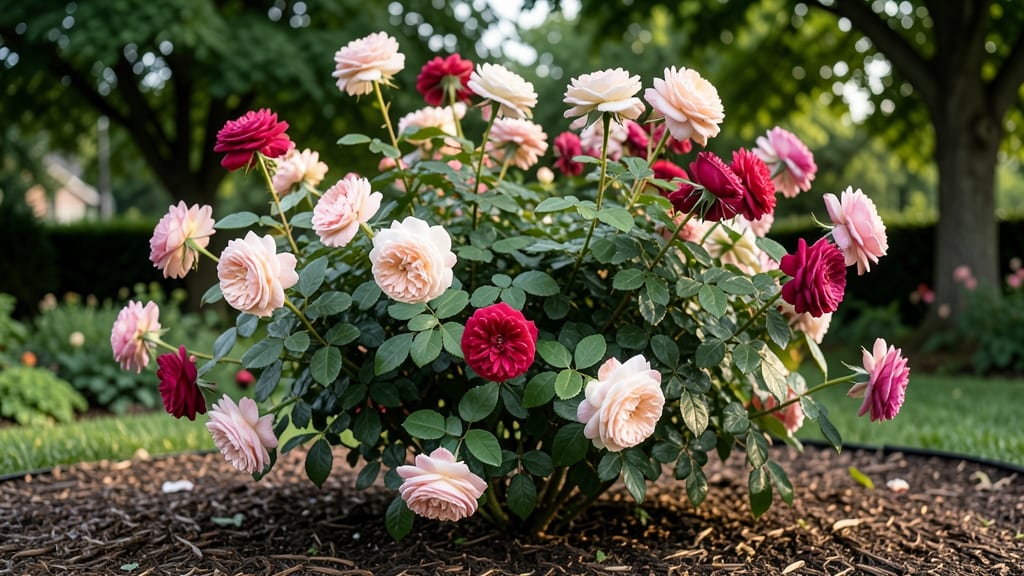
A multi-color rose bush turns your garden into a living painting that changes with the seasons. 🌸 These bushes aren’t just beautiful—they’re a statement piece that brings drama, texture, and a rainbow of hues to any space, whether you’re going for cottage charm or modern elegance.
The secret to their year-round appeal lies in strategic pruning—not just cutting back, but shaping them to encourage new blooms in every color.
I’ve seen these bushes go from soft pinks in spring to deep burgundies in summer, then back to pale yellows in fall, all while keeping their structure lush and full. It’s like having a seasonal color palette at your fingertips.
You’ll create a focal point that draws the eye, whether planted as a standalone specimen or woven into borders with complementary plants like lavender, salvia, or ornamental grasses.
The right placement can make them the star of a romantic garden, a bold centerpiece in modern designs, or the heart of a cottage-style retreat. The key to maintaining their vibrancy? Regular (but not aggressive) pruning, deadheading spent blooms, and feeding them well.
With the right care, your multi-color rose bush will be the garden’s most talked-about feature—no matter the season.
📚 In This Guide
- What you need
- Instructions
- Tips and common mistakes
- Wrapping up and next steps
What you need
- ● Multi-color rose bush – Choose a variety like 'Rainbow Dreams' or 'Double Delight' (ensure it’s disease-resistant and thrives in your climate).
- ● Pruning shears – Bypass pruners (sharp, 6–8" blades) for clean cuts; 1 pair required.
- ● Gloves – Heavy-duty, thorn-proof (nitrile or leather); 1 pair for protection.
- ● Disinfectant – 70% isopropyl alcohol or bleach solution (1 part bleach : 9 parts water) to sterilize tools.
- ● Rake or broom – For clearing debris after pruning.
- ○ Hand pruners – For smaller stems (optional but handy for precision).
- ○ Loppers – 8–12" for thicker branches (optional if your bush is mature).
- ○ Garden twine – To secure heavy branches (optional for support).
- ○ Fertilizer – Balanced rose fertilizer (e.g., 10-10-10) or organic compost (optional for post-pruning nourishment).
- ○ Mulch – Organic mulch (e.g., shredded bark) to retain moisture (optional but recommended).
- ● Know your rose’s last frost date—prune after the danger of frost has passed (or in early spring for climates with mild winters).
- ● Check the sunlight needs of your rose (most multi-color varieties thrive in 6+ hours of sun/day).
- ● Review your local pruning guidelines—some regions prefer late winter/early spring cuts.
How to maintain a stunning multi-color rose bush
Here's how I keep my rose bushes bursting with color—no matter the season.
🌿 Step 1: Prune for Structure and Color Balance
Start by removing any dead, diseased, or crossing branches first—these compete with healthy growth. Use clean, sharp pruners to make cuts at a 45-degree angle just above an outward-facing bud. I always prune in early spring when new growth begins, but you can do light shaping in late winter if needed.
For multi-color roses, focus on thinning out crowded stems to improve airflow. This prevents fungal diseases and ensures each bloom gets enough energy to develop vibrant colors. Watch for stems growing straight up—these need cutting back to encourage outward growth and more abundant flowering.
☀️ Step 2: Provide Optimal Sunlight and Fertilization
Multi-color roses thrive in full sun—at least 6-8 hours daily. If your bush isn't getting enough light, you'll see pale blooms and fewer colors. I supplement with a balanced rose fertilizer every 4-6 weeks during growing season, starting in early spring. Use the recommended dose—too much fertilizer burns roots and reduces flowering.
I like to work fertilizer into the soil around the base, then water deeply to help it spread. You'll notice stronger stems and more vibrant colors within 2-3 weeks of consistent feeding. For extra color intensity, add a low-nitrogen, high-phosphorus boost when buds form in late spring.
💧 Step 3: Water Deeply and Consistently
Water your rose bush deeply 1-2 times per week, depending on rainfall. The key is keeping the soil evenly moist but never soggy—multi-color roses hate wet feet. I water at the base in the early morning to reduce evaporation and fungal risks. You'll know you're doing it right when the top 2-3 inches of soil stay slightly damp but not waterlogged.
Mulch around the base with 2-3 inches of organic mulch to retain moisture and regulate soil temperature. This also prevents weeds that compete for nutrients. If you see wilting leaves in hot weather, it's time to water—don't wait until the soil is bone dry.
✂️ Step 4: Deadhead and Encourage Continuous Blooms
Deadheading—removing spent blooms—is the secret to nonstop color. Snip off faded flowers just above the first set of five leaves using clean pruners. This redirects the plant's energy into producing new buds instead of seed formation. I do this weekly during the blooming season to keep my roses looking fresh.
For multi-color varieties, this step is extra important because each bloom contains multiple colors. When you remove spent flowers, you're making room for the next vibrant display. You'll see new buds forming within 7-10 days of consistent deadheading—proof that your efforts are paying off.
🌱 Step 5: Prepare for Year-Round Vibrancy
In fall, give your roses a light pruning to remove any remaining dead wood and shape the bush. Then, apply a 2-3 inch layer of mulch to protect roots from winter cold. I also reduce watering as temperatures drop, letting the soil dry slightly between waterings to prevent rot.
Come spring, remove the old mulch and add fresh compost to replenish nutrients. This yearly cycle keeps my multi-color roses healthy and vibrant through all seasons. The key is consistency—prune, feed, water, and deadhead regularly, and you'll have a bush that never stops blooming in every shade.
Tips & tricks for year-round rose bush vibrancy
Between us, these little details make all the difference when it comes to keeping your multi-color roses looking their absolute best. I learned this the hard way after watching perfectly healthy bushes produce dull, sparse blooms—until I fixed these common oversights.
Pruning Precision: In Step 1, when you're making those 45-degree cuts, aim for the outward-facing bud to encourage bushier growth. I always check for "water sprouts"—those vertical stems growing straight up—they're energy vampires that suck resources from your colorful blooms. Cut them back to just above a leaf with an outward-facing bud, and you'll see fuller, more vibrant growth within weeks.
Sunlight Secret: The 6-8 hours of full sun in Step 2 isn't just about quantity—it's about quality. If your bush is in partial shade, rotate it every few weeks to ensure all sides get even exposure. I've seen pale blooms transform into vibrant displays just by repositioning the plant to follow the sun's arc across the yard. Morning sun is especially valuable—it helps dry dew quickly, reducing fungal risks.
Deadheading Discipline: That weekly deadheading in Step 4 isn't just about looks—it's about redirecting energy. When you cut just above those five leaves, you're telling the plant to focus on new buds rather than seed production. I mark my calendar with reminders because skipping even one week can lead to a noticeable drop in bloom production. The key is consistency—don't wait until flowers are completely brown and crispy.
Seasonal Strategy: For the fall pruning in Step 5, I always do a final check for any remaining dead wood that might harbor overwintering pests. Then I add that 2-3 inch mulch layer—but here's the trick: I mix in some compost with the mulch. This gives roots a slow-release nutrient boost right when they need it most for spring growth. It's like giving your roses a little winter snack.
Pro Tips for Multi Color Rose Bush
- Between us, these little details make all the difference when it comes to keeping your multi-color roses looking thei...
- Pruning Precision: In Step 1, when you're making those 45-degree cuts, aim for the outward-facing bud to encourage bu...
- Sunlight Secret: The 6-8 hours of full sun in Step 2 isn't just about quantity—it's about quality. If your bush is in...
Frequently asked questions
Got questions about keeping your multi-color rose bush vibrant all year? You’re not alone!
Here are answers to the most common concerns—from pruning tips to color care—so your blooms stay stunning season after season.
1. How often should I prune a multi-color rose bush to maintain its vibrant blooms?
Prune your multi-color rose bush 2-3 times a year: late winter (to shape and remove dead wood), after the first flush of blooms (to encourage new growth), and lightly in summer (to deadhead spent flowers). Avoid heavy pruning in fall—it can stress the plant before winter. Pro tip: Use sharp, sterilized shears to make clean cuts at a 45-degree angle just above an outward-facing bud!
2. Why are the colors in my multi-color rose bush fading or turning dull?
Fading colors often signal nutrient deficiencies, overwatering, or too much shade. Check for yellowing leaves (nitrogen deficiency) or pale blooms (phosphorus lack). Fix it: Feed with a balanced rose fertilizer (10-10-10) in spring and summer, and ensure 6+ hours of sunlight daily. Overwatering can also wash away nutrients—let the top 2 inches of soil dry out between waterings.
3. Can multi-color rose bushes survive winter, and how should I protect them?
Yes! Multi-color roses are hardy, but young plants or harsh climates (below 10°F) need extra care. Steps to prep:
- Mulch the base with 4-6 inches of organic mulch (straw or shredded leaves) after the first frost.
- Wrap the bush in burlap or frost cloth if temps dip below 10°F.
- Avoid pruning until late winter—dormant plants heal better.
4. Are there low-maintenance alternatives to multi-color rose bushes for vibrant gardens?
If roses feel high-maintenance, try these colorful, low-fuss alternatives:
- Hydrangeas: Thrive in partial shade, offer seasonal color shifts (blue/pink), and need minimal pruning.
- Butterfly Bush (Buddleia): Drought-tolerant, attracts pollinators, and blooms in pinks, purples, and whites.
- Coneflower (Echinacea): Perennial, disease-resistant, and produces pink, purple, or white daisy-like flowers.
- Salvia: Heat-loving, deer-resistant, and comes in blue, red, or purple varieties.
5. What should I do if my multi-color rose bush gets black spots or powdery mildew?
Black spots (fungus) and powdery mildew (white dusty coating) are common but treatable. Act fast:
- Remove infected leaves immediately and dispose of them (don’t compost!).
- Spray with a fungicide (neem oil or copper-based) every 7-10 days for 2-3 weeks.
- Improve air circulation by pruning dense branches and avoid overhead watering.
- Prevent recurrence with preventative sprays in spring and fall.
Wrapping up and next steps
Transforming your garden into a year-round rainbow with a multi-color rose bush is totally within reach—thanks to smart pruning and a little dedication! 🌸 By mastering the right techniques, you’ll unlock vibrant blooms that keep your outdoor space lively from spring to frost.
Remember, consistency is key: regular trims, seasonal adjustments, and a keen eye for dead or overcrowded growth will keep your rose bush thriving.
Ready to take the next step? Grab your pruners, schedule your first trim, and watch your garden burst into color like never before. Happy pruning—your roses will thank you! 🌿✨