
Neem Oil
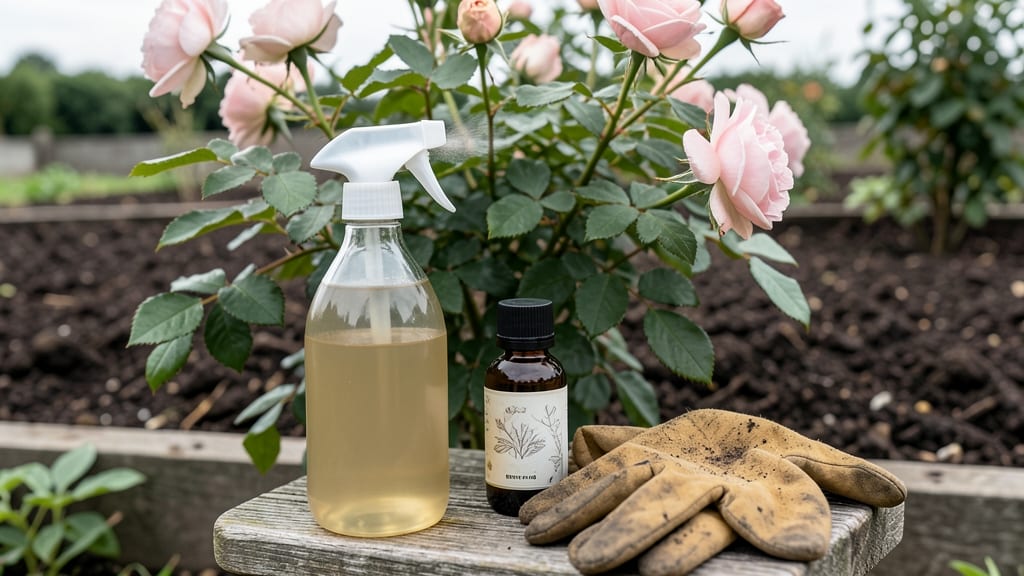
Neem oil for rose bushes is the secret weapon I wish I’d discovered years ago—it stops aphids, powdery mildew, and black spot in their tracks without harsh chemicals. 🌿 The first time I sprayed my struggling roses, I saw new buds forming within days, and the pests vanished like they’d never existed.
It’s not just a spray; it’s a game-changer for roses that look tired or stressed.
Here’s the thing—neem oil works because it disrupts pests’ life cycles while boosting plant resilience. You’ll need a 1% solution (mix 1 tablespoon per quart of water), applied in the early morning or evening to avoid burning leaves.
Safety is simple: wear gloves, avoid spraying on windy days, and never apply when roses are in bloom (it’s safe for bees, but they’ll avoid treated flowers temporarily).
Within 3-5 days, you’ll notice fewer pests and slower fungal spread. The roses stay lush, with fewer yellow leaves and more vibrant blooms. It’s the kind of treatment that turns "struggling" roses into the showstopper of your garden—without the chemical residue.
Works for hybrid teas, climbers, and shrub roses alike, and pairs well with other organic defenses like neem cake or insecticidal soap. The key is consistency: repeat every 7-14 days until pests disappear, then use preventatively in spring and fall. Your roses will thank you.
Root Causes of Rose Bush Struggles
Rose bushes are stunning but delicate, and their health can quickly decline due to a mix of natural and environmental factors. Understanding why these issues arise is the first step to preventing them—and that’s where neem oil steps in as a powerful, natural solution.
Below, we break down the most common culprits behind pests, fungal infections, and overall decline in rose bushes, explained in clear, science-backed terms.
Pests like aphids, spider mites, and Japanese beetles don’t just nibble on leaves—they drain your rose bush’s vitality by sucking out sap. Here’s how it happens:
- Overcrowded Gardens: Dense foliage traps moisture and pests, creating a perfect breeding ground. Why? Pests thrive in warm, humid microclimates where they’re shielded from predators and natural sunlight.
- Weakened Plants: Stressed roses (from drought, poor soil, or over-fertilizing) produce weaker sap, making them irresistible to pests. Science note: Sap-sucking insects detect higher sugar levels in stressed plants, triggering feeding frenzies.
- Lack of Beneficial Predators: Without ladybugs, lacewings, or birds, pests multiply unchecked. Example: A single aphid can reproduce 7–8 generations per season if left unchecked.
Actionable insight: Neem oil disrupts pests’ life cycles by mimicking a plant hormone called ecdysone, which confuses their growth and reproduction.
Fungal diseases like black spot, powdery mildew, and rust don’t just appear—they infect through specific conditions. Here’s the science:
- Poor Air Circulation: Fungal spores float in humid air and land on leaves, where they germinate if moisture lingers. Fun fact: Some fungi (like Botrytis) can survive up to 5 years in soil or debris.
- Overhead Watering: Wet leaves for prolonged periods create the perfect 90°F+ environment fungi crave. Why? Warm water activates spores faster than cool, dry air.
- Nutrient Imbalances: Too much nitrogen (common in fast-release fertilizers) makes roses soft and sugary, inviting fungal growth. Data point: Roses with high nitrogen levels are 3x more susceptible to black spot.
Neem oil’s role: It contains triterpenoids, compounds that disrupt fungal cell membranes, starving the organism of essential nutrients.
Even without pests or fungi, rose bushes can decline from invisible stressors. Here’s what’s really going on:
| Stressor | How It Harms Roses | Scientific Explanation |
|---|---|---|
| 💧 Overwatering | Yellow leaves, root rot | Excess water displaces oxygen in soil, suffocating roots. Anaerobic conditions trigger toxic ethylene gas, which signals cells to die. |
| ☀️ Sunburn | Bleached or crispy leaf edges | Intense UV rays break down chlorophyll, causing oxidative stress in cells. Young, tender leaves are most vulnerable. |
| 🌡️ Temperature Swings | Stunted growth, bud drop | Rapid temperature shifts disrupt enzyme activity in roses, halting photosynthesis. Chilling injury can occur even above freezing. |
Pro tip: Neem oil’s antimicrobial properties also help reduce soil-borne pathogens that thrive in stressed environments, giving your roses a fighting chance.
Now that you know why rose bushes falter, the next step is how to fix it naturally—with neem oil as your secret weapon. 🌿
Quick Fixes for Rose Bush Woes
Neem oil isn’t just a preventive tool—it’s a powerful rescue remedy for rose bushes battling pests, fungal infections, or stress. Below, we’ll tackle the most common issues with practical, step-by-step solutions using neem oil (and a few bonus tricks).
Think of this as your emergency care kit for roses, complete with prevention tips to keep your garden thriving long-term.
---
Neem oil disrupts pests’ life cycles, making it a top choice for aphids, spider mites, whiteflies, and Japanese beetles. Here’s how to attack infestations fast:
#### 🔥 Step 1: Choose the Right Neem Oil Product - Cold-pressed neem oil (pure, unrefined) is best for direct application. - Neem oil concentrate (like Neem Bliss or Bonide) mixes easily with water. - Avoid refined neem oil—it lacks the active compounds that repel pests.
#### 🍳 Step 2: Mix Your Spray (DIY Recipe) Combine in a 1-gallon spray bottle: - 1 tbsp neem oil (or 1 tsp concentrate) - 1 tsp mild liquid soap (helps oil stick to pests) - 1 quart warm water - Optional: Add 1 tsp garlic oil or 1 crushed garlic clove for extra pest-repelling power.
✨ Pro Tip: Shake well before each use—neem oil separates from water!
#### 👨🍳 Step 3: Spray Like a Pro - Timing: Apply early morning or late evening (avoid direct sunlight—it can burn leaves). - Coverage: Spray both sides of leaves, stems, and buds—pests hide everywhere! - Frequency: Reapply every 7–10 days until pests vanish (usually 2–3 treatments). - Bonus: For Japanese beetles, add kaolin clay (1 tbsp per gallon) to deter them.
#### 🔪 Step 4: Manual Removal (For Stubborn Cases) - Aphids: Blast off with a strong stream of water before spraying. - Spider mites: Wipe leaves with a damp cloth dipped in neem oil. - Japanese beetles: Handpick into soapy water (they drown instantly!).
--- Powdery mildew, black spot, and rust fungus can ruin your roses in weeks—but neem oil stops spores in their tracks.
#### 🌡️ Step 1: Prune and Clean - Remove infected leaves (bag and toss them—don’t compost!). - Sterilize pruners with rubbing alcohol between cuts.
#### 🎯 Step 2: Apply Neem Oil Fungicide Mix the same neem oil spray as above, but add 1 tsp baking soda (helps raise pH, making it harder for fungi to latch on). - Spray thoroughly, including the undersides of leaves (where spores love to hide). - Reapply every 10–14 days or after rain.
✨ Pro Tip: Prevent future outbreaks by watering at the base (not overhead) and spacing plants for airflow.
--- Yellowing leaves, stunted growth, or weak stems? Your roses might be nutrient-deficient or under attack by hidden pests.
#### 💡 Step 1: Diagnose the Issue | Symptom | Likely Cause | Neem Oil Fix | |----------------------|--------------------------------|------------------| | Yellow leaves | Overwatering or fungal root rot | Spray roots with neem oil + water mix (1:10 ratio). | | Sticky residue | Aphids or scale insects | Full neem oil spray + hose off pests. | | Wilting stems | Vascular disease (e.g., black spot) | Prune infected stems, spray neem oil. | | Slow growth | Nutrient deficiency | Fertilize with compost tea, then apply neem oil as a preventative. |
#### 🌿 Step 2: Boost Rose Health - Fertilize lightly with fish emulsion or compost tea (neem oil works better on healthy plants). - Mulch with straw or wood chips to retain moisture and deter pests. - Rotate neem oil with other treatments (like companion planting with marigolds or garlic spray) to avoid resistance.
--- An ounce of prevention beats a pound of cure! Here’s how to keep your roses thriving without constant spraying:
- 🌱 Plant smart: Choose disease-resistant rose varieties (like Knock Out roses). - 🌿 Improve airflow: Space roses 3–4 feet apart to reduce humidity (fungi love damp, crowded plants). - 🌞 Water wisely: Deep watering in the morning (avoid evening watering—promotes fungal growth). - 🐝 Encourage predators: Ladybugs, lacewings, and birds love munching on rose pests—plant dill, fennel, or marigolds nearby to attract them. - 🔄 Rotate treatments: Use neem oil every 4–6 weeks (even in summer) to prevent buildup of resistant pests.
--- While neem oil handles 90% of rose problems, some issues need extra firepower: - Severe fungal infections (like rose rosette virus) may require removal of the entire plant to save your garden. - Grubs or borers (underground pests) need beneficial nematodes or systemic granules. - Persistent pests (like scale insects) might need a follow-up with insecticidal soap.
--- Final Thought: Neem oil is your rose bush’s best friend—but consistency is key. Treat problems early, prevent aggressively, and your roses will reward you with vibrant blooms all season! 🌹💚
Frequently asked questions
Can I use neem oil on roses that are already in bloom?
Neem oil is safe for roses in bloom, but it's best to apply it early morning or late evening when bees are less active. The oil won't harm bees directly, but they'll avoid treated flowers temporarily. For maximum protection without disturbing pollinators, focus on spraying foliage and stems rather than blooms.
How often should I apply neem oil to my rose bushes?
For active pest or fungal control, spray every 7-10 days until the problem clears. As a preventative measure, apply every 4-6 weeks during growing season. Always reapply after heavy rain, as water washes away the protective layer. Consistency is key—neem oil works best when used regularly rather than sporadically.
Will neem oil harm beneficial insects like ladybugs?
Neem oil is generally safe for beneficial insects when used correctly. The key is to apply it early morning or late evening when pollinators are less active, and to avoid spraying blooming flowers directly. Ladybugs and lacewings are more resilient than pests, but always use it as a last resort for severe infestations rather than routine maintenance.
Can I mix neem oil with other pesticides?
While neem oil mixes well with insecticidal soap or garlic oil, avoid combining it with chemical pesticides or copper-based fungicides. These combinations can create toxic reactions or reduce effectiveness. For best results, alternate treatments or use them on separate parts of the plant (e.g., neem oil for foliage, insecticidal soap for stubborn pests).
What's the best time of year to start using neem oil on roses?
Begin using neem oil in early spring when new growth appears, and continue through fall before the first frost. This timing helps establish a protective barrier before pests and fungi become active. In warm climates, you can use it year-round, but always avoid spraying when temperatures exceed 90°F to prevent leaf burn.