
Watering
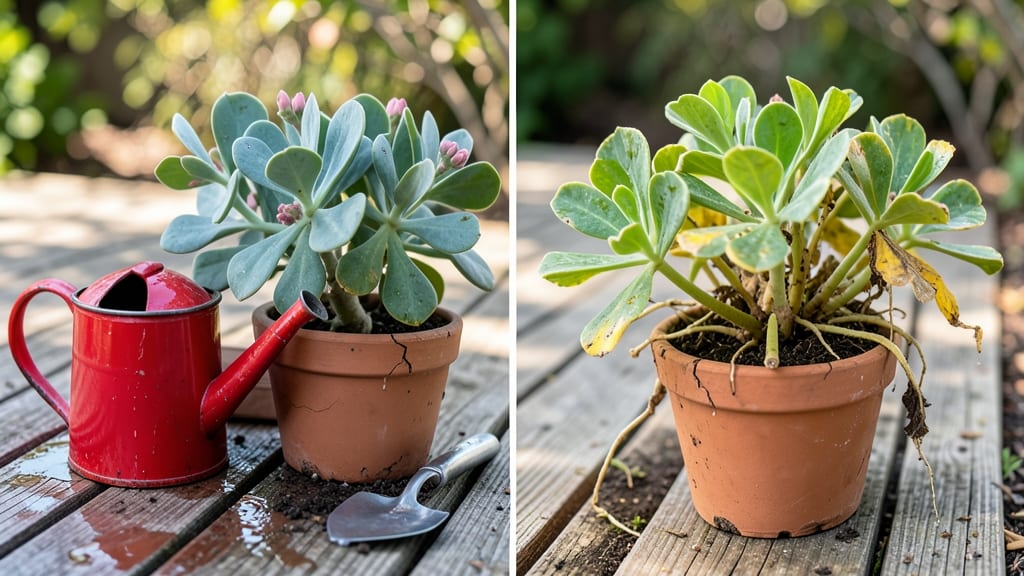
Your overwatered elephant bush is begging for help—drooping leaves and yellowing foliage don’t have to mean goodbye. 🌱 I’ve nursed back more than my share of soggy elephant bushes, and the fix starts with understanding why they’re struggling.
Overwatering triggers root rot, which chokes the plant’s ability to drink, leading to those sad, limp leaves you’re seeing. The good news? Recovery is faster than you think. We’re talking 3 key steps—draining soggy soil, pruning damaged growth, and adjusting your watering routine.
Within 2-3 weeks, you’ll see fresh green leaves pushing through, and the bush will bounce back to its usual bushy, vibrant self. Here’s the secret: elephant bushes thrive on dry spells, not constant moisture.
Let the top 2 inches of soil dry out between waterings, and watch the difference. The plant’s natural resilience kicks in once the roots get a chance to breathe again. This works for both potted plants and in-ground bushes.
The same principles apply whether you’re dealing with a 1-gallon container or a mature shrub in the garden bed. Let’s turn those droopy leaves into lush, happy foliage again!
Common Causes Of Overwatering
Your Portulacaria afra (elephant bush) may be sending up distress signals like drooping leaves or yellowing foliage because of too much water—but why does this happen in the first place? Overwatering isn’t just about pouring too much water; it’s a mix of environmental factors, soil conditions, and even plant biology.
Let’s break down the most common culprits and why they lead to soggy roots and unhappy plants.
Elephant bushes are succulents, meaning they store water in their leaves and stems. When planted in soil or containers with poor drainage, excess water pools around the roots instead of draining away. This creates an oxygen-deprived environment, suffocating the roots and leading to:
- Root rot: Fungal pathogens like Phytophthora thrive in waterlogged conditions, breaking down root cells and cutting off nutrient uptake.
- Stunted growth: Without oxygen, roots can’t absorb water or nutrients efficiently, causing leaves to wilt or turn yellow.
- Soil compaction: Heavy or clay-based soils hold moisture too long, trapping water against the roots.
Actionable fix: Use a cactus/succulent mix (50% potting soil, 30% perlite, 20% coarse sand) and containers with drainage holes. Elevate pots on gravel or saucers to prevent water from sitting at the bottom.
Succulents like elephant bushes dread inconsistency. While they can tolerate drought, frequent small waterings (e.g., every 2–3 days) keep the soil damp for long periods, mimicking a swampy environment. Here’s why this backfires:
- Moisture stress: Even if the topsoil dries out, roots may still be sitting in wetness, leading to anaerobic conditions (lack of oxygen).
- Salt buildup: Tap water contains minerals that accumulate in the soil over time, further stressing roots.
- Temperature shock: Cold water on hot roots can cause physiological damage, weakening the plant’s defense against overwatering.
Actionable fix: Water only when the top 2–3 inches of soil are bone-dry (stick your finger in to test). Use room-temperature water and avoid misting the leaves.
Upgrading to a larger pot without accounting for soil volume can turn your well-intentioned move into a watering disaster. Here’s how:
- Excess soil holds moisture: A bigger pot means more soil to stay damp longer, even if you water the same amount.
- Root expansion slows: Elephant bushes grow roots at a moderate pace. If the pot is too large, roots can’t keep up, leaving the center soil perpetually soggy.
- Humidity traps: Larger containers retain moisture longer, especially in humid climates.
Actionable fix: Only repot every 2–3 years and choose a pot only 1–2 inches wider than the current one. If you must upgrade, reduce watering frequency by 20–30% until the plant adjusts.
Elephant bushes are dormant in winter (in cooler climates) and actively growing in spring/summer. Watering the same way year-round ignores these cycles:
- Winter overwatering: Cold temperatures slow metabolism, so roots absorb less water. Excess moisture leads to rot.
- Summer heat stress: While they need more water in heat, overcompensating with daily waterings can drown them if nights are still cool.
Actionable fix:
- ❄️ Winter: Water every 3–4 weeks (let soil dry completely).
- ☀️ Summer: Water every 7–10 days (check soil depth).
Pro tip: 🌡️ Use a moisture meter or the finger test—if the soil feels damp 1 inch down, wait longer. Overwatering is often a timing issue, not just a "too much water" issue!
Reviving Your Overwatered Plant
If your elephant bush (or Portulacaria afra) is looking more like a soggy mess than a vibrant houseplant, don’t panic—it’s often an easy fix! Overwatering is a common issue, but with the right steps, you can nurse your plant back to health and prevent future water woes.
Below, we’ve broken down the most likely causes and practical solutions to get your elephant bush thriving again.
Signs: Yellowing leaves, mushy stems, or soil that smells sour or moldy.
How to Fix It:
- 🚰 Stop Watering Immediately
- Let the soil dry out completely before watering again. Elephant bushes prefer dry conditions and can’t tolerate soggy roots.
- 🔪 Trim the Damaged Parts
- Use clean, sharp scissors to snip off yellow or mushy leaves and stems. This helps the plant focus energy on healthy growth.
- 🌱 Repot if Necessary
- If the roots are rotting (black, slimy, or smelly), repot in fresh, well-draining soil. Choose a container with drainage holes to prevent future waterlogging.
💡 Prevention Tip:
- Water only when the top 1–2 inches of soil are bone-dry (about every 2–3 weeks in most homes).
- Use a terracotta pot—it helps wick away excess moisture faster than plastic.
Signs: Roots circling the pot, water pooling at the bottom, or slow recovery after watering.
How to Fix It:
- 🏗️ Upgrade the Pot
- If your current pot lacks drainage holes, repot into one with holes or place a layer of pebbles or perlite at the bottom to improve airflow.
- 🌱 Refresh the Soil Mix
- Elephant bushes thrive in fast-draining, sandy, or cactus/succulent mixes. Avoid heavy garden soil.
- Mix in perlite or coarse sand (20–30%) to improve drainage.
- 🔍 Check Root Health
- Gently remove the plant from its pot and trim any black, mushy roots with sterilized scissors. Let the roots dry for a day before replanting.
💡 Prevention Tip:
- Never let your plant sit in saucers of water—empty excess water from the tray after watering.
- Avoid over-potting—too much soil retains moisture longer than needed.
Signs: Drooping leaves, slow growth, or new leaves curling up.
How to Fix It:
- 🌬️ Increase Airflow
- Place a small fan nearby (on low) to mimic natural wind and reduce humidity around the plant.
- 🏡 Move to a Warmer, Sunnier Spot
- Elephant bushes love bright, indirect light (like an east or south-facing window). If your home is too cool (<60°F/15°C), consider a grow light in winter.
- ✂️ Prune for Better Air Circulation
- Trim back overly dense foliage to allow better airflow between stems.
💡 Prevention Tip:
- Avoid placing near bathrooms or kitchens where humidity spikes.
- Group plants together—they create a microclimate with better airflow.
Once your elephant bush is back on track, follow these easy maintenance tips to keep it flourishing:
- 💧 Watering Schedule: Stick to the "soak and dry" method—water deeply, then wait until the soil is completely dry before watering again. - ☀️ Light Needs: 4–6 hours of bright, indirect light daily.
A south or west window is ideal. - 🌿 Fertilizing: Use a balanced, diluted fertilizer (like 10-10-10) once every 2–3 months in spring and summer. - 🪴 Pruning: Trim leggy stems in early spring to encourage bushier growth.
🎉 Pro Tip: If your elephant bush is severely stressed, mist the leaves lightly (but not soaked) to help it recover faster—just don’t overdo it!
With these steps, your once-soggy elephant bush will be bouncing back in no time—and you’ll have a lush, low-maintenance green friend for years to come! 🌿✨
Frequently asked questions
How can I tell if my elephant bush is overwatered vs. underwatered?
Check the soil first: overwatered plants have soggy, smelly soil and yellow, mushy leaves that may drop easily. Underwatered plants have dry, crispy soil and wrinkled, brown leaf edges. Another clue: gently tug on a leaf—if it pulls away easily, roots are likely rotting from overwatering.
Can I save an elephant bush with root rot?
Yes! First, remove the plant from its pot and trim all black, mushy roots with sterilized scissors. Let the roots air-dry for 1-2 days before repotting in fresh, well-draining soil. Use a pot with drainage holes and reduce watering to every 3-4 weeks until new growth appears.
Why does my elephant bush droop after watering?
This usually means the roots can't absorb water fast enough due to compaction or poor drainage. Try the soak-and-dry method: water thoroughly until it drains from the bottom, then wait until the top 2 inches of soil are completely dry before watering again. A terracotta pot helps prevent this by wicking away excess moisture.
How often should I water my elephant bush in winter?
In winter, reduce watering to every 3-4 weeks—elephant bushes enter dormancy when temperatures drop below 60°F (15°C). Check soil moisture by sticking your finger 1 inch deep: if it's still damp, wait longer. Cold weather slows root activity, so less water is needed to prevent overwatering.
Is it safe to use tap water for my elephant bush?
Tap water is usually fine, but if your water is hard (high mineral content), it can cause salt buildup in the soil over time. Let tap water sit out for 24 hours before using to reduce chlorine, or use filtered/rainwater. Always water at room temperature to avoid shocking the roots.