
Size
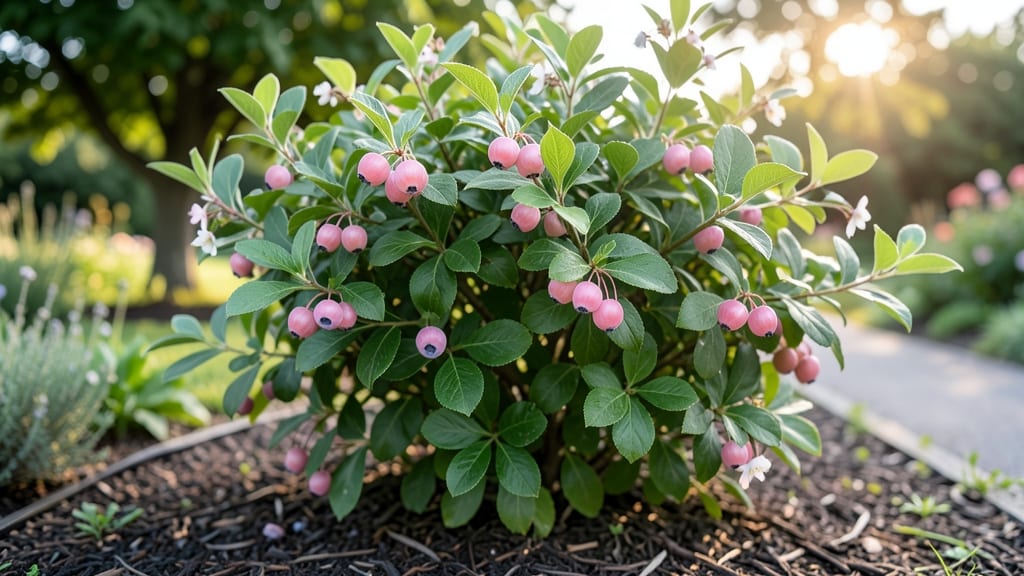
The Pink Lemonade blueberry bush size is one of the most exciting surprises for small-space gardeners—this compact variety stays under 4 feet tall while delivering jaw-dropping flavor.
If you love the sweet, tangy taste of Pink Lemonade blueberries but think your garden is too small for traditional bushes, think again—this compact variety packs a flavorful punch without the space! But how big will it really grow, and what does that mean for your yard?
Unlike standard blueberry bushes that can tower over 6 feet, Pink Lemonade stays neatly contained, making it perfect for containers, raised beds, or even tight corners of your yard. Its manageable size means you can grow multiple bushes without sacrificing space for other plants.
In this guide, I’ll break down everything you need to know about its mature dimensions, how to prune it for optimal growth, and how its size compares to other compact varieties—so you can make the most of your garden real estate.

Pink Lemonade blueberry bush mature size: height, spread, and space requirements
The Pink Lemonade blueberry bush is a compact powerhouse designed for small gardens, containers, and urban spaces. Unlike traditional blueberry varieties that can reach 6-12 feet tall, this variety stays manageable at 3-4 feet tall and 3-4 feet wide at maturity.
That makes it perfect for patios, balconies, or even large pots—without sacrificing flavor or yield. But how exactly does its size compare to other varieties, and what spacing do you need for optimal growth?
At maturity, the Pink Lemonade blueberry bush typically reaches 3-4 feet in height and spreads 3-4 feet wide, making it a semi-dwarf variety. This is significantly smaller than standard blueberry bushes, which can grow 6-12 feet tall.
The compact size also means it produces fruit earlier—often within 2-3 years—compared to 4-5 years for larger varieties. This early productivity is a game-changer for gardeners with limited space.
For optimal growth, plant your Pink Lemonade bush 3-4 feet apart in garden beds. If growing in containers, choose pots that are at least 18-24 inches in diameter and depth to accommodate root growth.
The key is ensuring enough space for airflow to prevent fungal diseases, which are more common in crowded or poorly ventilated areas. In urban gardens or small yards, you can even fit two bushes side by side if they’re planted in a north-south orientation.
Here’s how the Pink Lemonade blueberry bush compares to other popular compact varieties:
| Feature | Pink Lemonade | Top Hat (Dwarf) | Sunshine Blue | Standard Varieties |
|---|---|---|---|---|
| Mature Height | 3-4 ft | 2-3 ft | 3-5 ft | 6-12 ft |
| Mature Spread | 3-4 ft | 2-3 ft | 3-4 ft | 5-8 ft |
| Spacing (Garden) | 3-4 ft apart | 2-3 ft apart | 3-4 ft apart | 6-10 ft apart |
| Container Size | 18-24" diameter | 12-18" diameter | 18-24" diameter | Not recommended |
| Time to First Fruit | 2-3 years | 2-3 years | 2-3 years | 4-5 years |
| Yield per Bush | 1-2 lbs/year | 0.5-1 lb/year | 1-1.5 lbs/year | 3-5 lbs/year |
One of the biggest advantages of the Pink Lemonade blueberry bush is its versatility in planting locations. Unlike standard varieties that need ample garden space, this bush thrives in containers, raised beds, or even hanging baskets with proper care.
For example, if you’re growing it in a 5-gallon pot, expect slightly slower growth but still plentiful fruit production. Just ensure the pot has drainage holes and you’re using acidic, well-draining soil mixed with compost.
When planning your garden layout, consider pairing the Pink Lemonade bush with companion plants that thrive in similar conditions. For instance, borage, thyme, or marigolds can help deter pests while adding visual interest.
Since this variety stays compact, you can also tuck it alongside herbs like rosemary or lavender, which share its love for full sun and well-draining soil. This not only maximizes your space but also creates a functional and aesthetically pleasing garden.
If you’re working with a very small space, like a balcony or rooftop garden, the Pink Lemonade bush is an excellent choice. A single bush in a large container can produce enough berries for small batches of jam or fresh eating.
For larger harvests, consider planting two bushes side by side in a community garden plot or sharing space with other compact plants like strawberries or dwarf raspberries. The key is to avoid overcrowding, as this can lead to reduced airflow and increased disease risk.
For urban gardeners, the Pink Lemonade blueberry bush is a game-changer because it fits seamlessly into small yards, courtyard gardens, or even vertical gardens. If you’re using a raised bed, plant one bush per 4x4-foot section
Best practices for pruning Pink Lemonade blueberry bushes to control size
Pruning your Pink Lemonade blueberry bush isn't just about keeping it tidy—it's the key to maintaining its compact size while boosting fruit production. This variety stays smaller than traditional blueberries, typically reaching 3-4 feet tall and 3-4 feet wide at maturity, but proper pruning ensures it stays within those bounds.
Without regular maintenance, even this dwarf variety can spread and become unruly, reducing airflow and fruit quality.
Timing is everything when pruning Pink Lemonade bushes. The best time to prune is late winter or early spring, just before new growth begins. This 3-4 week window (around February-March in most climates) gives your plant time to heal before summer stress.
Avoid pruning in fall, as new growth won't harden off properly before winter, making it vulnerable to frost damage.
⚠️ callout-warning ⚠️
⚠️ Critical Pruning Mistake to Avoid
Never prune more than 1/3 of the bush in a single session—this stresses the plant and reduces next year's fruit production. Pink Lemonade bushes are sensitive to over-pruning, so take it slow. Also, avoid cutting into old wood (branches over 3 years old) as these rarely produce fruit.
Start by removing any dead, diseased, or crossing branches first. These compete for resources and create entry points for pests. Use clean, sharp pruners to make cuts at a 45-degree angle, about 1/4 inch above a bud or branch junction.
This encourages healthy regrowth and prevents water from pooling on the cut. For Pink Lemonade bushes, focus on thinning out the center to improve airflow and sunlight penetration.
To maintain compact growth, prune back the tips of new growth throughout the growing season. This technique, called pinching, encourages bushier growth rather than tall, leggy stems. Aim to keep the bush's width and height balanced
For container-grown Pink Lemonade bushes, prune more aggressively to prevent root-bound stress, but still avoid cutting back more than 20% of the foliage at a time. Don't forget to sanitize your tools between cuts to prevent spreading disease. Use a 10% bleach solution or rubbing alcohol to wipe down pruners, especially if you're working with multiple bushes. After pruning, apply a 2-3 inch layer of mulch around the base (but not touching the stem) to retain moisture and suppress weeds. This is particularly important for Pink Lemonade bushes in containers, where moisture evaporates faster. With consistent pruning, your Pink Lemonade blueberry bush will stay neat, productive, and within your garden's space limits. The key is patience—prune little and often rather than making drastic cuts. Over time, you'll develop a bush that's perfectly sized for your space while still delivering those sweet, tangy berries you love. Happy pruning! 🪴