
Pruning
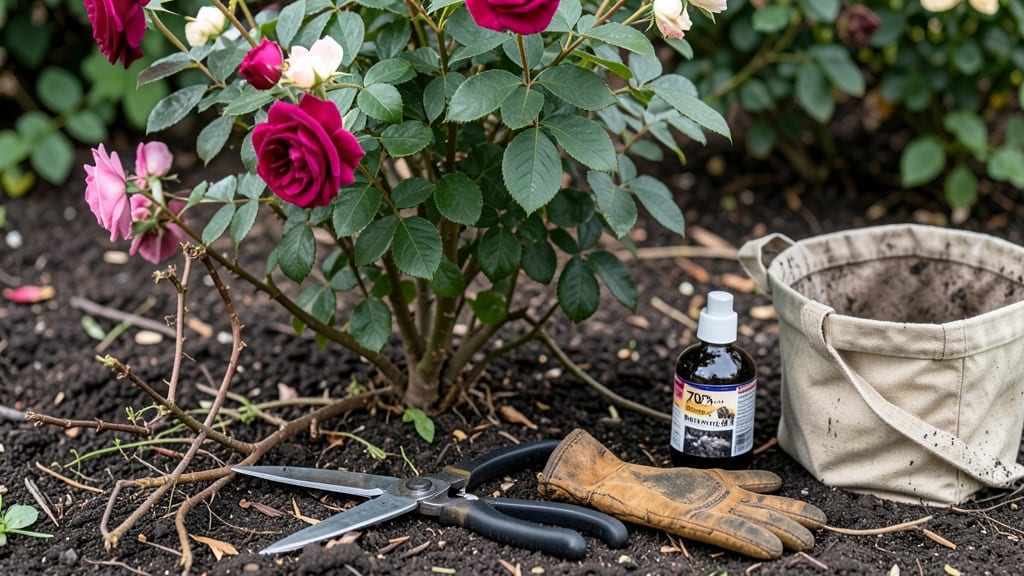
Pruning bush roses in autumn isn’t just about tidying up—it’s the secret to next summer’s explosion of blooms and a plant that survives winter like a champ. 🌿 I’ve watched my own roses go from scraggly to showstopping after mastering these four cuts, and the best time to prune is right after the first hard frost when the plant’s energy shifts underground.
The goal is simple: remove dead, diseased, or crossing branches while shaping the bush to let light and air circulate. You’ll need sharp bypass pruners, rubbing alcohol for sterilizing cuts, and a clear day to avoid spreading disease.
Start by cutting out any branches that look like they’ve already given up—they’re just taking energy from the healthy ones. By winter’s end, you’ll have a perfectly shaped bush with strong canes ready to burst with new growth in spring.
The right cuts now mean fewer pests, better airflow, and a plant that bounces back faster from cold snaps. It’s not complicated, but it does require patience—especially when you’re tempted to go overboard. Works for all bush rose varieties, from Knock Outs to Floribundas, and adapts easily to different climates.
Mild winters? Prune a little later. Harsh freezes? Get it done before December. Here’s exactly how to do it right.
📚 In This Guide
- What you need
- Instructions
- Tips and common mistakes
- Wrapping up and next steps
What you need
- ● Pruning shears: Bypass pruners (sharp, clean, and not rusty) – 1 pair. Look for ergonomic handles for comfort during long sessions.
- ● Loppers: For thicker stems (½" to 2" diameter) – 1 pair. Opt for bypass loppers to avoid crushing stems.
- ● Pruning saw: For stubborn, thick branches (2"+ diameter) – 1 small handsaw. A curved blade works best.
- ● Gloves: Heavy-duty, cut-resistant gloves (e.g., mechanics’ or rose-pruning gloves) – 1 pair. Protects against thorns and scrapes.
- ● Disinfectant: 70% isopropyl alcohol or a pruning sealant (e.g., Tanglefoot Pruning Seal) – small bottle. Prevents disease spread.
- ● Trash bags or bucket: For collecting pruned branches – 1-2 large bags or a 5-gallon bucket. Keep your workspace tidy!
- ● Rake or broom: To clear fallen leaves/debris – 1 small-handled rake. Helps prep the area before pruning.
- ● Marking twine or flags: To label cuts for reference (e.g., colored twine or plant tags).
- ● Knee pad or stool: For comfort if your roses are tall or the ground is hard.
- ● Sharpener: A file or honing stone to keep blades razor-sharp mid-pruning.
- ● Mulch: Shredded bark or compost (2-3 inches) to protect roots post-pruning.
Step-by-Step instructions for pruning bush roses in autumn
Here's how I refresh my bush roses each fall—keeping them healthy and ready to bloom big next spring.
✂️ Step 1: Remove Dead, Diseased, or Weak Growth
Start by grabbing your pruners and scanning the entire bush. Look for stems that are completely blackened, mushy, or coated with black spots—these are dead or diseased and need to go. I cut these back to the base of the plant, making clean cuts at a 45-degree angle about ¼ inch above an outward-facing bud.
You'll also spot thin, spindly stems that never produced flowers. These are weak and won't contribute to next year's growth. Snip them off completely. I always prune on a dry day—wet wood splinters and invites fungal infections. If you see any cankers (sunken, cracked areas), sterilize your pruners with rubbing alcohol between cuts to prevent spreading disease.
✂️ Step 2: Thin Out Crowded Canes
Bush roses often grow multiple stems from the same base, creating a dense center. This crowding reduces airflow and invites pests. I aim to leave 3-5 of the strongest, healthiest canes per bush, depending on the variety. Remove the thinnest stems first, cutting them at the base.
When choosing which canes to keep, look for ones that are thicker than a pencil and have a good balance of old and new wood. Older stems (2-3 years old) produce the best blooms, while younger growth adds vigor. If a cane is completely bare with no buds, it's done its job and can be removed.
✂️ Step 3: Shorten Remaining Canes by One-Third
Now for the structural cuts. Using your pruners, shorten each remaining cane by about one-third of its total length. Make your cuts just above an outward-facing bud (this encourages the new growth to spread outward, not inward). This is where most gardeners mess up—don't leave stubs or cut too close to the bud.
I like to step back and visualize the shape after each cut. The goal is an open, vase-like structure with good airflow. If you're unsure, imagine the plant as a clock—you want the cuts to encourage growth that spreads outward like numbers on a clock face. This prevents the center from getting too crowded again.
🌱 Step 4: Clean Up and Apply Mulch
After all the cuts, gather up the pruned canes and remove them from the area. I don't compost rose prunings because they can harbor fungal spores. Instead, I burn or trash them. Next, rake up any fallen leaves or debris from around the base of the plant—this reduces hiding spots for overwintering pests.
Spread a 2-3 inch layer of organic mulch (like shredded bark or compost) around the base, keeping it 2-3 inches away from the stem. This insulates the roots, retains moisture, and prevents soil-borne diseases from splashing up onto the plant. I water thoroughly after mulching to help settle everything in place.
⏰ Step 5: Final Inspection and Winter Prep
Do a final walk-around to check for any missed dead stems or sharp thorns. I also look for any remaining buds that might try to sprout in late autumn—these will get nipped by frost. If you have any bare spots in your garden where roses used to grow, now's the time to add compost or slow-release fertilizer to replenish nutrients.
For extra protection in cold climates, I wrap the base of young or newly planted roses with burlap or use rose cones to shield them from harsh winds. Mature bushes usually don't need this, but it's worth the effort if you live in a zone with 20°F or lower winters. This is your last chance to prep before winter sets in—don't wait until the ground freezes!
Tips & tricks for perfect autumn rose pruning
These simple strategies will help you transform your bush roses into healthy, vibrant plants ready for spring blooms.
Pruning Angle Matters: When you make those clean cuts at a 45-degree angle in Step 1, you're not just following instructions—you're creating a natural water-shedding surface. This prevents water from pooling at the cut and reduces the risk of fungal infections. I always visualize slicing off the top of a cone to remember the proper angle. This small detail makes a big difference in plant health.
Cane Selection Strategy: In Step 2, when choosing which canes to keep, focus on the "pencil test" for thickness. The thicker canes (about the diameter of a standard pencil) are the ones that will produce the most robust blooms next season. I also look for canes with at least one-third old wood—they're the powerhouses for flower production. This is where many gardeners go wrong by keeping too many thin, weak stems that never deliver.
Visualization Technique: The "clock face" method in Step 3 is a game-changer. After making each cut, step back and imagine the plant as a clock. Your cuts should encourage new growth that spreads outward like the numbers. This open structure prevents the center from getting too crowded again, which is exactly what we're trying to avoid. It's amazing how this simple visualization helps create that perfect vase shape.
Mulch Application Wisdom: When applying that 2-3 inch layer of mulch in Step 4, remember to keep it 2-3 inches away from the stem. This might seem counterintuitive, but it prevents moisture from collecting right against the plant, which can lead to rot. I also recommend using organic mulch like shredded bark—it not only insulates the roots but also breaks down slowly to enrich the soil as winter passes.
Pro Tips for Pruning Bush Roses In Autumn
- These simple strategies will help you transform your bush roses into healthy, vibrant plants ready for spring blooms.
- Pruning Angle Matters: When you make those clean cuts at a 45-degree angle in Step 1, you're not just following instr...
- Cane Selection Strategy: In Step 2, when choosing which canes to keep, focus on the "pencil test" for thickness. The ...
Frequently asked questions
Got questions about pruning your bush roses in autumn? You’re not alone—this task can feel tricky, especially if you’re new to gardening. Below, we’ve rounded up the most common queries to help you prune with confidence and keep your roses thriving!
When is the exact best time to prune bush roses in autumn?
Prune bush roses after the first hard frost (when leaves have fallen) but before winter’s deepest chill sets in—typically between late November and early December in most U.S. zones. This timing balances disease prevention (no lingering moisture) with winter protection (closed wounds heal better). Skip pruning too early, or you risk encouraging new growth that won’t survive frost!
What if I miss autumn pruning? Can I still do it in winter or spring?
You can prune in late winter (just before buds swell) or early spring, but autumn is ideal for shaping and removing dead wood. Winter pruning risks exposing cuts to harsh winds, while spring pruning may stress the plant if done too early. If you miss autumn, prioritize removing dead/diseased canes first—even if the full prune is delayed.
My rose bushes have black spots or mushy stems. Should I still prune now?
Yes, but sterilize your tools first (rubbing alcohol or bleach solution) to avoid spreading disease. Prune out all infected canes (cut back to healthy wood) and rake up debris. Autumn is a great time to tackle fungal issues—just avoid pruning on wet days to prevent spores from splashing. Consider a fungicide treatment afterward for extra protection.
Do I need to prune hybrid tea roses the same way as bush roses?
No! Hybrid teas require less aggressive pruning—focus on removing dead, crossing, or weak growth while keeping the main canes intact. Bush roses can handle harder cuts (like rejuvenation pruning) to encourage bushier growth. Think of hybrid teas as “selective sculpting” vs. bush roses’ “full makeover.” Always check your rose’s tag for specific care notes!
How do I know if I’ve pruned too much or too little?
Here’s your quick guide:
- Too much: Fewer than 3–5 strong canes left per bush = limited blooms next year. Aim to leave 1/3 to 1/2 of last year’s growth.
- Too little: Overcrowded center with no light/airflow = disease risk. Thin out weak canes to open the bush up.
- Perfect: Open center, outward-facing canes, and cuts just above an outward-facing bud.
Pro Tip:
Snag a pruning guide or use a rose pruning app (like “Rose Pruner”) to visualize cuts before you start. A picture’s worth a thousand words—and your roses will thank you!
Wrapping up and next steps
Pruning your bush roses in autumn isn’t just about tidying up—it’s your secret weapon for stronger blooms and healthier growth next spring! 🌿 By mastering those four key cuts—removing dead wood, thinning crowded canes, shortening last year’s growth, and shaping for airflow—you’ll set your roses up for a vibrant, disease-resistant comeback.
Remember, timing, sharp tools, and confidence are your best friends here.
Ready to roll up your sleeves? Grab your pruners, mark your calendar for late autumn (after the first frost), and give your roses the TLC they deserve! Your future blooms will thank you—literally. 🌸