
Pests
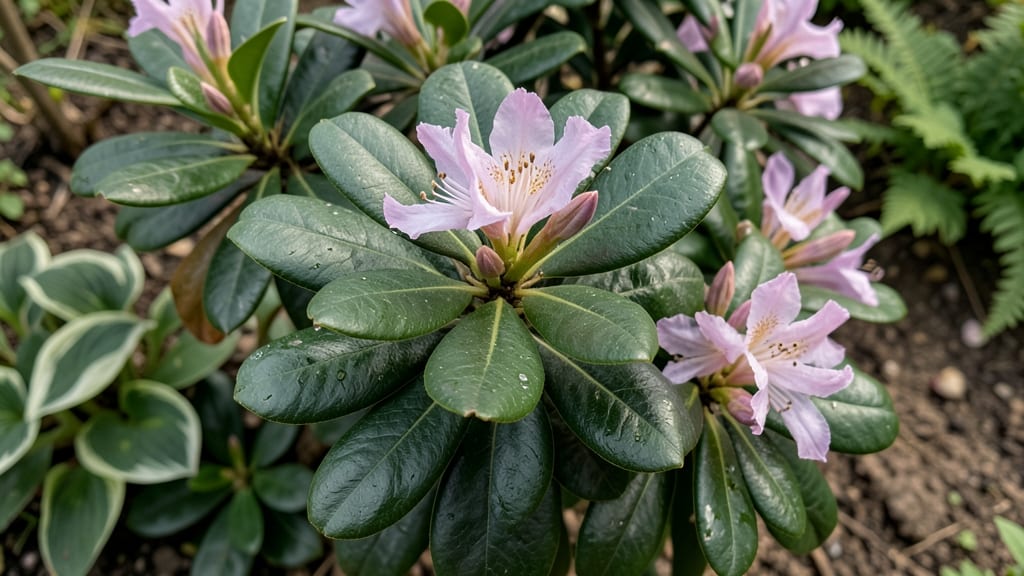
This rhododendron bush deer-resistant variety saves your garden from becoming a buffet. 🌿 I’ve lost count of the times my prized azaleas got munched—until I discovered rhododendrons with tougher leaves that deer simply avoid. The secret lies in their thick, leathery foliage and natural chemical defenses that make them unappetizing snacks. These bushes aren’t just deer-proof by accident—they’re bred or selected for their bitter, hairy, or waxy leaves, which deter browsing naturally. Varieties like ‘Nova Zembla’ or ‘PJM’ stand out because deer find them too unpleasant to nibble, even when hungry. The payoff? Lush, undamaged foliage year after year without fences or sprays. For mature bushes, focus on healthy growth—stressed plants attract more attention. Mulch heavily with pine needles or wood chips to mask scent, and prune only when necessary to avoid exposing tender new growth. Seedlings need extra protection until established, but once rooted, they’ll thrive with minimal interference. This approach works best in woodland gardens or mixed borders where deer already have plenty of softer options. Combine with repellent plants like boxwood or barberry for extra insurance—nature’s way of saying, “Stay out!”
📚 In This Guide
- What you need
- Instructions
- Tips and common mistakes
- Wrapping up and next steps
What you need
- ● Deer-resistant rhododendron plants: 1–3 (depending on space; choose Rhododendron 'PJM' (Elite) or Rhododendron 'Catawbiense Grandiflorum' for proven toughness).
- ● High-quality potting soil or acidic garden mix: 5–10 gallons (pH 4.5–6.0; avoid alkaline soil).
- ● Organic mulch (pine bark or pine needles): 2–3 bags (3–4 inches thick to retain moisture and deter deer).
- ● Garden gloves: 1 pair (to protect hands from thorns and soil).
- ● Trowel or spade: 1 (for digging holes).
- ● Watering can or hose with a gentle spray nozzle: 1 (for post-planting hydration).
- ● Fertilizer (acid-loving plant food): 1–2 applications (follow package rates).
- ● Deer repellent spray (natural, like garlic-based): 1 bottle (for extra protection in high-traffic areas).
- ● Plant support stakes: 2–4 (if planting in windy areas).
- ● Slow-release fertilizer pellets: 1 bag (for long-term nourishment).
- ● Pruning shears: 1 (for shaping or removing damaged leaves).
- ● Soil pH test kit: 1 (to confirm acidity before planting).
Step-by-step guide to planting deer-resistant rhododendron bushes
Here's how to establish these tough shrubs that deer simply won't touch—naturally.
🌱 Step 1: Select the Right Deer-Resistant Varieties
Not all rhododendrons deter deer equally. Opt for varieties known for their thick, leathery leaves and strong fragrance—deer's natural repellents. My top choices are 'Nova Zembla' (with its deep purple blooms), 'Catawbiense' (classic deer-resistant staple), and 'PJM' (compact and hardy). These varieties contain compounds like andromedotoxin that make leaves unpalatable.
Check your local nursery for these specific cultivars—avoid hybrid varieties that may lack the same deer-resistant traits. The thicker the leaf and more intense the fragrance, the better the deterrent. I always read the plant tag carefully before purchasing to confirm deer resistance ratings.
🪴 Step 2: Prepare the Planting Site with Proper Soil Conditions
Rhododendrons thrive in acidic soil with a pH between 4.5 and 6.0—this is their first line of defense against deer. Test your soil first using a simple home test kit. If your soil is alkaline, amend with 1-2 inches of peat moss or sulfur mixed into the top 12 inches of soil.
Choose a location with partial shade—at least 4-6 hours of morning sun but protection from hot afternoon rays. Deer tend to avoid areas with dense underbrush, so plant near existing shrubs or ground covers. The more natural the setting, the less likely deer will investigate your new bushes.
☀️ Step 3: Plant at the Correct Depth and Spacing
Dig a hole twice as wide as the root ball but no deeper—rhododendrons hate having their crowns buried. Gently loosen the roots if they're circling in the container, then place the plant so the top of the root ball sits 1 inch above ground level. This prevents root rot while keeping the plant stable.
Space bushes 3-5 feet apart depending on mature size—closer for dwarf varieties, wider for larger shrubs. The natural spread creates a dense barrier that deer instinctively avoid. Backfill with the original soil (never amend with garden soil) and water deeply to settle everything.
💧 Step 4: Establish a Watering Routine That Discourages Deer
Water newly planted rhododendrons deeply 2-3 times per week for the first 4-6 weeks, keeping the soil consistently moist but never soggy. Deer are drawn to freshly watered areas, so I water in the early morning when they're least active. The goal is to establish strong roots before they become a target.
Once established, rhododendrons need 1 inch of water weekly during dry spells. Mulch with 2-3 inches of pine bark or wood chips to retain moisture and gradually acidify the soil. The mulch also creates a physical barrier that deters deer from browsing near the base.
✂️ Step 5: Prune Strategically to Maintain Deer Resistance
Prune rhododendrons immediately after flowering (typically in late spring) to remove any dead or damaged growth. Use clean, sharp pruners to make cuts just above a leaf node. Never remove more than 1/3 of the plant in one season—this keeps the bush dense and less appealing to deer.
Shape the plant to encourage a full, rounded form rather than an open center. Deer are less likely to nibble on thick, bushy growth. I also recommend removing any suckers or water sprouts that appear at the base—they create weak growth points that deer might target first.
Tips & tricks for planting deer-resistant rhododendrons
These practical insights will help you maximize your rhododendrons' natural deer-deterring qualities while avoiding common planting pitfalls.
Variety Verification: Beyond the recommended 'Nova Zembla', 'Catawbiense', and 'PJM', look for cultivars labeled "deer-resistant" or "deer-proof" on plant tags. Some nurseries even test their stock—ask about their deer resistance trials. I've found that rhododendrons with double blooms (like 'Catawbiense Grandiflorum') often have even thicker leaves that deer avoid more consistently. The key is that thicker, waxier leaves contain more andromedotoxin, making them less appealing.
Soil pH Precision: While the instructions mention a pH range of 4.5-6.0, I recommend testing your soil first using a digital pH meter rather than relying on home test kits. These meters give more precise readings, which is critical since rhododendrons are particularly sensitive to even slight pH changes. If your soil tests at 6.5 or higher, you'll need to amend with 1-2 inches of sulfur mixed into the top 12 inches—this can take 2-3 months to fully acidify the soil, so plan accordingly.
Planting Depth Visual: When planting, use a reference point on the root ball—typically the top of the container's soil line—to ensure the root ball sits 1 inch above ground level. I mark this with a pencil before planting to avoid burying the crown. Another trick is to place the plant in the hole and check that the top of the root ball aligns with the ground level when you step back and look from the side. This simple visual check prevents the most common planting mistake with rhododendrons.
Watering Strategy: The early morning watering routine is crucial, but I've found that using a drip irrigation system set on a timer for 15 minutes twice daily during the first 4-6 weeks gives more consistent moisture without attracting deer. If you must water by hand, use a soaker hose placed at the base of the plant—this delivers water directly to the roots without creating wet spots that deer find inviting. The goal is to keep the soil consistently moist without creating a deer magnet.
Pro Tips for Rhododendron Bush Deer Resistant
- These practical insights will help you maximize your rhododendrons' natural deer-deterring qualities while avoiding common planting pitfalls.
- Variety Verification: Beyond the recommended 'Nova Zembla', 'Catawbiense', and 'PJM', look for cultivars labeled "deer-resistant" or "deer-proof" on plant tags.
- Soil pH Precision: While the instructions mention a pH range of 4.5-6.0, I recommend testing your soil first using a digital pH meter rather than relying on home test kits.
Frequently asked questions
Are rhododendrons truly deer-proof?
While rhododendrons are highly deer-resistant due to their toxic leaves (thanks to grayanotoxins), no plant is 100% foolproof. Young shoots or stressed plants may still attract deer—especially during harsh winters. Pair them with deer-repellent plants like boxwood or hellebore for extra protection.
Do rhododendrons repel other pests too?
Yes! Beyond deer, their toxic foliage deters rabbits, slugs, and even some insects (like Japanese beetles). However, watch for lace bugs or spider mites, which can still target rhododendrons. A strong spray of water or neem oil usually keeps these pests in check.
When is the best time to plant them for deer resistance?
Plant rhododendrons in early spring or fall to give roots time to establish before deer browsing season peaks. Avoid late summer—drought-stressed plants are more vulnerable. Pro tip: Mulch heavily around the base to mask scent and deter deer from digging.
What if deer still eat my rhododendron?
Try these fixes:
- Spray with deer repellent (like Liquid Fence) on leaves and soil.
- Install physical barriers (e.g., 8-foot fencing or mesh) around young plants.
- Use motion-activated sprinklers to startle deer away.
- Plant companion shrubs like daphnes or inkberry hollies nearby—their scent confuses deer.
Are there deer-resistant rhododendron varieties?
Some standouts include:
Variety
Key Traits
Rhododendron 'Catawbiense Grandiflorum'
Large, glossy leaves; highly toxic to deer.
Rhododendron 'PJM'
Compact, cold-hardy, and deer avoid its fuzzy foliage.
Rhododendron 'Nova Zembla'
Bright pink blooms; deer dislike its strong scent.
Note: Even "resistant" varieties may suffer damage—combine with other deterrents for best results.
Wrapping up and next steps
If you're looking for a low-maintenance, deer-resistant shrub that adds beauty and structure to your garden, rhododendrons are an excellent choice! Their tough, leathery leaves and natural compounds act as a built-in deterrent, keeping hungry deer at bay while thriving in shade and acidic soil.
With the right variety and care, you can enjoy vibrant blooms and lush foliage year after year—without the constant battle of repelling pests.
Ready to transform your landscape? Start by selecting a deer-resistant cultivar (like Rhododendron 'PJM' or 'Catawbiense') and plant it in a spot where it can flourish. Happy gardening—your future garden (and deer!) will thank you! 🌿✨