
Pruning
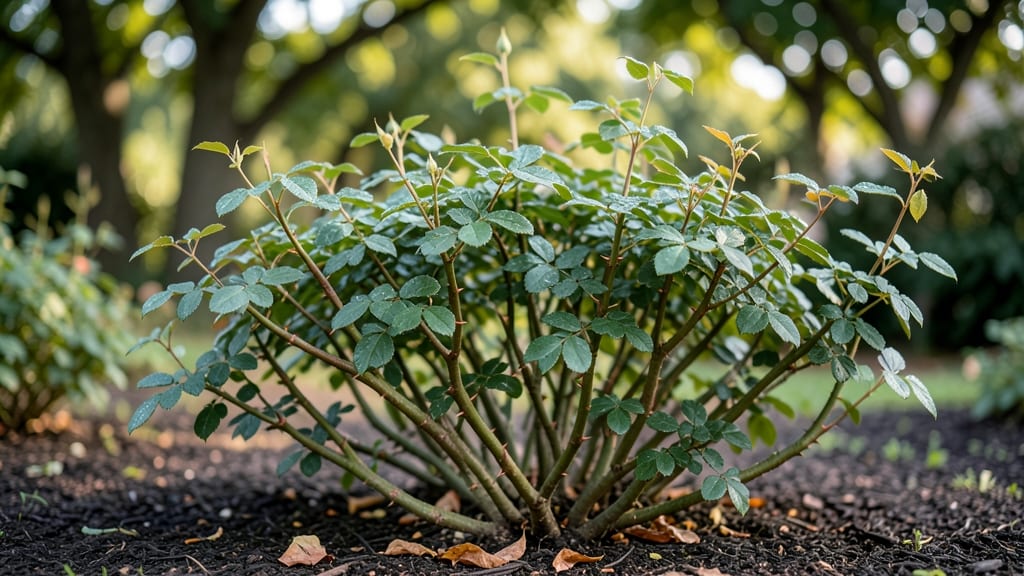
Your rose bush without roses has all the leaves but no blooms? 🌿 That’s often a pruning mistake—or a sunlight deficit—disguised as a plant problem.
I’ve nursed back more than a dozen "leafy monsters" into blooming powerhouses, and the fixes are simpler than you’d think: adjust when (and how) you prune, tweak sunlight exposure, and feed the right nutrients at the right time.
Most people prune roses at the wrong time or too aggressively, which sends the plant into foliage-overdrive. Others skip pruning entirely, letting old wood crowd out new growth where blooms form. Even over-fertilizing with nitrogen (the "green" fertilizer) can make roses grow leaves instead of flowers.
The good news? These issues are reversible with a sharp pair of pruners and a little seasonal timing.
By late winter or early spring, you’ll see new canes emerging—these are your future bloom producers. Prune to open the center of the bush, feed with a balanced rose fertilizer (10-10-10 or similar), and ensure 6+ hours of direct sunlight daily.
Within weeks, those lush leaves will start supporting clusters of buds, and your bush will look like the showstopper it was meant to be.
Works for hybrid teas, floribundas, and shrub roses alike—just adjust pruning intensity based on your climate. Here’s the step-by-step plan to turn your leafy bush into a blooming star.
Root Causes Of Bare Rose Bushes
A rose bush without blooms can feel like a gardener’s worst nightmare—especially when the foliage looks healthy but refuses to produce flowers. The truth? Your bush isn’t being lazy; it’s likely starved, stressed, or confused by its environment.
Below, we break down the top scientific reasons why your roses skip the floral show—and how to fix them.
Roses are heavily dependent on pruning to signal when and how to bloom. If you’re pruning at the wrong time, cutting too aggressively, or removing the wrong stems, your bush may prioritize leaf growth over flowers.
- Late or No Pruning: Roses need a sharp pruning session in early spring (just as buds swell) to encourage new growth.
If you skip this, old canes become woody, and the bush focuses energy on maintaining leaves instead of blooming. - Pro Tip: 💡 Prune ¼ to ⅓ of the bush’s height in late winter, targeting last year’s growth (canes with no leaves).
Avoid cutting into old, bare wood—this removes potential bloom sites.
- Over-Pruning or Wrong Cuts: Cutting too close to the base or removing all growth leaves no energy for flowers.
Roses bloom on new wood (current season’s growth), so prune just above a bud facing outward (the "eye" of the cane). - Fix It: 🔪 Use clean, sharp shears and make cuts at a 45-degree angle about ⅛ inch above a healthy bud.
- Shearing Instead of Selective Pruning: If you’re shearing (cutting evenly all over), you’re encouraging a dense, leafy bush with no flower buds. Roses need structured pruning to direct energy upward.
Roses are sensitive to temperature swings, poor soil conditions, and sudden changes. When stressed, they’ll prioritize survival over blooming.
- Extreme Heat or Drought: Roses need consistent moisture (1–2 inches per week).
If the soil dries out, the bush shuts down flower production to conserve water. - Signs: Wilting leaves, crispy edges, or no new growth. - Fix It: 💦 Mulch deeply (3–4 inches) with organic matter (straw or wood chips) and water at the base (not leaves) in the early morning.
- Cold Damage or Late Frosts: If buds form too early and get frost-nipped, the bush may abort flower production for the season.
- Prevent It: 🌡️ Monitor your local frost dates and prune after the last frost (usually late March–April in most zones).
- Transplant Shock: If you moved your rose bush recently, it may be too busy recovering roots to bloom.
- Recovery Tip: ⏰ Wait 6–8 weeks after transplanting before expecting flowers. Focus on deep watering and slow-release fertilizer.
Roses need specific nutrients in the right balance to bloom. Too much nitrogen = leaves, no flowers. Too little phosphorus = weak roots and buds.
- Over-Fertilizing with Nitrogen (N): If your fertilizer is high in N (first number), your bush will grow lush foliage but skip flowers.
- Fix It: 📊 Switch to a bloom-boosting formula (like 5-10-10 or 10-20-20) after pruning (April–May). Avoid lawn fertilizers—they’re too heavy on N.
- Phosphorus & Potassium Deficiency: These are critical for bud formation and root strength. - Signs: Purple stems, weak canes, or buds that drop early. - Fix It: ✨ Add bone meal (for P) or wood ash (for K) in early spring.
A balanced rose fertilizer (like Miracle-Gro Rose & Flower) helps too.
- Poor Soil pH: Roses thrive in slightly acidic soil (6.0–6.5). If the pH is off, they can’t absorb nutrients properly. - Test It: 🌱 Use a soil test kit (available at garden centers).
If pH is too high (alkaline), add sulfur or peat moss. If too low (acidic), use lime.
Pests and diseases drain energy from your rose bush, leaving it too weak to produce flowers.
- Aphids, Spider Mites, or Japanese Beetles: These suck sap, causing yellowing leaves and stunted growth.
- Fix It: 🔥 Spray with neem oil (early morning) or introduce ladybugs (natural predators).
- Black Spot or Powdery Mildew: Fungal diseases clog leaves, reducing photosynthesis and diverting energy away from blooms.
- Prevent It: 🌿 Remove infected leaves immediately and space bushes for airflow. Apply copper fungicide preventatively in spring.
- Rose Rosette Virus: A fatal virus causing excessive thorns and distorted growth. Infected bushes won’t bloom and should be removed.
- Spot It: 🚨 Look for red, twisted canes and excessive thorns. Report to your local agricultural extension for testing.
Key Takeaway: A rose bush without roses is usually not a lost cause—it’s a signal that something’s off. By pruning correctly, balancing nutrients, managing stress, and protecting against pests, you’ll coax those blooms back in no time. 🌹
How to solve it
If your rose bush is sporting lush green leaves but no blooms, it’s time to roll up your sleeves and take action! The good news is that most causes of a rose bush without roses can be reversed with targeted care.
Below, we’ve mapped out practical solutions for each common issue, along with prevention tips to keep your roses blooming beautifully for years to come.
If you’ve been aggressive with pruning—especially in late summer or fall—your rose bush may be focusing all its energy on new growth instead of flowering. Roses need a balanced approach to pruning to encourage blooms.
How to Fix It:
✅ 🔥 Prune at the Right Time
- For spring-blooming roses (like Knock Out roses), prune in late winter or early spring (just before new growth starts).
- For repeat-blooming roses (like hybrid teas or floribundas), prune twice a year: once in late winter and again right after the first flush of blooms in early summer.
- Avoid heavy pruning after mid-July—this can stunt fall blooms.
✅ 👨🍳 Follow the "Third-Eye" Rule
- When pruning, look for the largest outward-facing bud (about an inch below the cut) and make your cut just above it. This encourages stronger, blooming stems.
✅ ⏰ Give It Time to Recover
- After pruning, avoid fertilizing heavily for 4-6 weeks to let the bush focus on establishing new growth before pushing flowers.
💡 Prevention Tips:
- Mark your calendar for late winter/early spring and early summer pruning sessions.
- Use sharp, clean pruners to avoid damaging stems.
- If you missed the window, don’t panic—just adjust your approach for next year.
Roses are thirsty plants, but too much or too little water can both lead to a lack of blooms. Proper hydration is key to encouraging flowers.
How to Fix It:
✅ 🌡️ Check Soil Moisture
- Stick your finger 2 inches into the soil. If it’s dry, water deeply. If it’s soggy, hold off until it drains better.
- Morning watering (before 10 AM) is ideal—it reduces evaporation and fungal risks.
✅ 💦 Water at the Base, Not the Leaves
- Use a soaker hose or drip irrigation to deliver water directly to the roots. Avoid overhead sprinklers, which can promote disease.
✅ 🌱 Improve Drainage
- If your soil is clay-heavy, amend it with compost or perlite to help water drain properly.
- Ensure your rose bush is planted in a slightly raised bed if your yard has poor drainage.
💡 Prevention Tips:
- Mulch around the base of the bush (but keep it 2-3 inches away from the stem) to retain moisture.
- Water consistently—roses hate "feast or famine" watering.
- In extreme heat, water twice a day (early morning and late evening).
If your rose bush is all leaves and no flowers, it might be getting too much nitrogen (which promotes foliage) and not enough phosphorus (which encourages blooms). A simple fertilizer tweak can make a big difference.
How to Fix It: ✅ 📊 Switch to a Bloom-Boosting Fertilizer
Look for a balanced rose fertilizer with a higher middle number (e.g., 5-10-5 or 10-20-10).
This means more phosphorus (the second number), which promotes flowering. - Avoid high-nitrogen lawn fertilizers (like 30-10-5)—these will make your roses leafy but won’t encourage blooms.
✅ 🥗 Feed at the Right Time
- Apply granular fertilizer in early spring (when new growth starts) and again after the first bloom cycle (around mid-summer).
- For liquid fertilizers, follow the label for frequency—usually every 2-4 weeks during growing season.
✅ 🌿 Add Organic Amendments
- Mix bone meal (high in phosphorus) into the soil around the base of the bush.
- Use compost or worm castings to improve overall soil health without overloading on synthetic nutrients.
💡 Prevention Tips:
- Do a soil test every few years to check nutrient levels.
- Avoid over-fertilizing—more isn’t always better! Follow package instructions closely.
- If you’re using slow-release fertilizers, apply them once in early spring and let them work all season.
Roses need full sun (6-8 hours daily) to produce abundant blooms. If your bush is in too much shade, it may struggle to flower.
How to Fix It:
✅ 🌞 Assess Sunlight Levels
- Observe your rose bush throughout the day. If it’s getting less than 6 hours of direct sun, it’s time to relocate or prune nearby obstructions.
✅ 🏡 Prune Overhanging Branches or Buildings
- Trim back trees, shrubs, or fences that are casting shade on your rose bush.
- If possible, move the bush to a sunnier spot (early spring or fall is best for transplanting).
✅ ✨ Use Reflective Surfaces (Temporary Fix)
- If moving isn’t an option, place a white wall, mirror, or reflective mulch near the bush to bounce extra light onto the foliage.
💡 Prevention Tips:
- When planting new roses, choose a south- or west-facing location for maximum sun exposure.
- Avoid planting roses under large, fast-growing trees—their shade will limit blooms.
- If you must plant in partial shade, choose shade-tolerant rose varieties like Dr. Huey or Mutabilis.
Pests like aphids, spider mites, or Japanese beetles and diseases like black spot or powdery mildew can weaken your rose bush, reducing its ability to produce flowers. A healthy plant blooms better!
How to Fix It: ✅ 🔪 Inspect for Pests
Check undersides of leaves for aphids, mites, or beetles.
Spray off with a strong stream of water or use neem oil (a natural insecticide). - For Japanese beetles, handpick them into soapy water or use milky spore as a long-term solution.
✅ 🌡️ Treat Fungal Diseases
- If you see black spots or white powder on leaves, prune affected areas and apply a fungicide (like copper-based or sulfur-based).
- Improve air circulation by spacing plants properly and avoiding overhead watering.
✅ 🌿 Strengthen the Plant’s Defenses
- Apply a compost tea or seaweed extract spray to boost natural resistance.
- Keep the area around the bush clean and weed-free to reduce pest habitats.
💡 Prevention Tips:
- Prune regularly to improve airflow and reduce humidity around leaves.
- Water in the morning to allow foliage to dry quickly.
- **Rotate organic sprays
Frequently asked questions
Why does my rose bush have so many leaves but no flowers?
This is usually caused by too much nitrogen fertilizer, poor pruning timing, or insufficient sunlight. Nitrogen-heavy fertilizers promote leafy growth at the expense of blooms, while incorrect pruning (like shearing instead of selective cuts) removes potential flower sites. Most roses need 6-8 hours of direct sun daily to trigger blooming. Start by switching to a balanced bloom fertilizer (like 10-20-10) and prune to open the bush's center.
Can I still get flowers if I prune my rose bush too late?
Late pruning won't kill your bush, but it may delay blooming. If you prune after mid-July, you'll likely miss that season's flowers. For next year, focus on early spring pruning (just as buds swell) and a light summer trim after the first bloom cycle. Roses bloom on new wood, so proper timing encourages stronger growth.
What's the best fertilizer ratio for roses that need more blooms?
Look for a bloom-boosting formula with a higher middle number (phosphorus), like 5-10-5 or 10-20-10. This ratio promotes flowering while maintaining healthy foliage. Apply it after pruning in early spring and again after the first bloom cycle. Avoid lawn fertilizers (like 30-10-5) - they're too heavy on nitrogen, which makes roses leafy but flowerless.
How do I know if my rose bush has a disease preventing blooms?
Check for black spots (dark spots with yellow halos), white powder (powdery mildew), or red, twisted canes (rose rosette virus). Fungal diseases reduce photosynthesis, while pests like aphids drain energy from the plant. Treat fungal issues with copper fungicide, remove infected leaves immediately, and improve airflow by pruning. If you see excessive thorns and distorted growth, the bush may have rose rosette virus and should be removed.
Will moving my rose bush help it bloom more?
Yes, if it's currently in too much shade or poor soil. Choose a south- or west-facing location with 6+ hours of direct sun and well-draining soil. The best time to transplant is early spring or fall. After moving, focus on deep watering and slow-release fertilizer for the first 6-8 weeks to help it recover.