
Shrubs
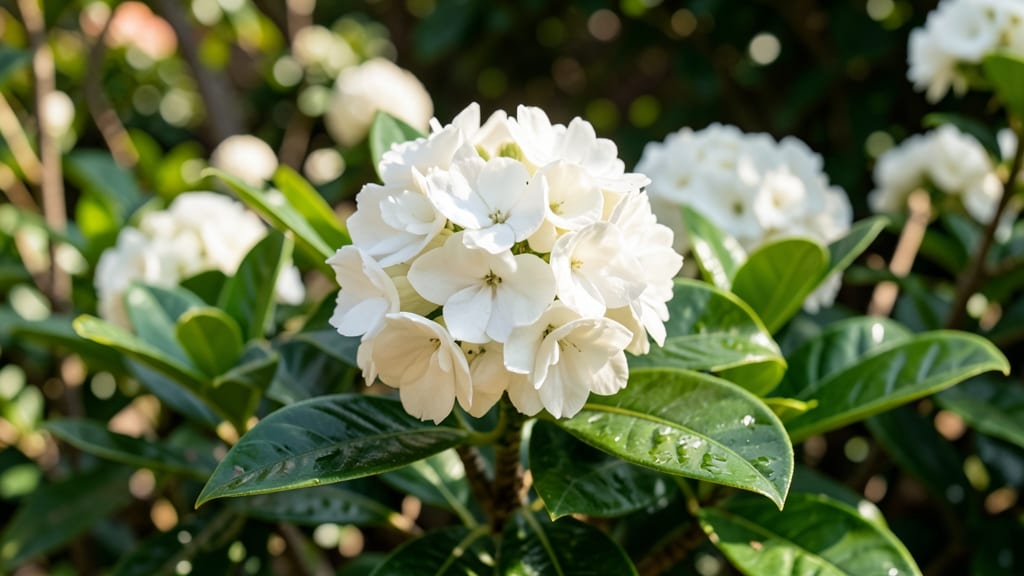
South Carolina’s hot summers and occasional droughts demand flowering bushes that thrive with minimal water. These seven drought-tolerant picks deliver vibrant blooms, minimal upkeep, and perfect adaptation to the state’s climate—ideal for busy gardeners or eco-conscious landscapers.
Crape Myrtle for Vibrant Summer Color
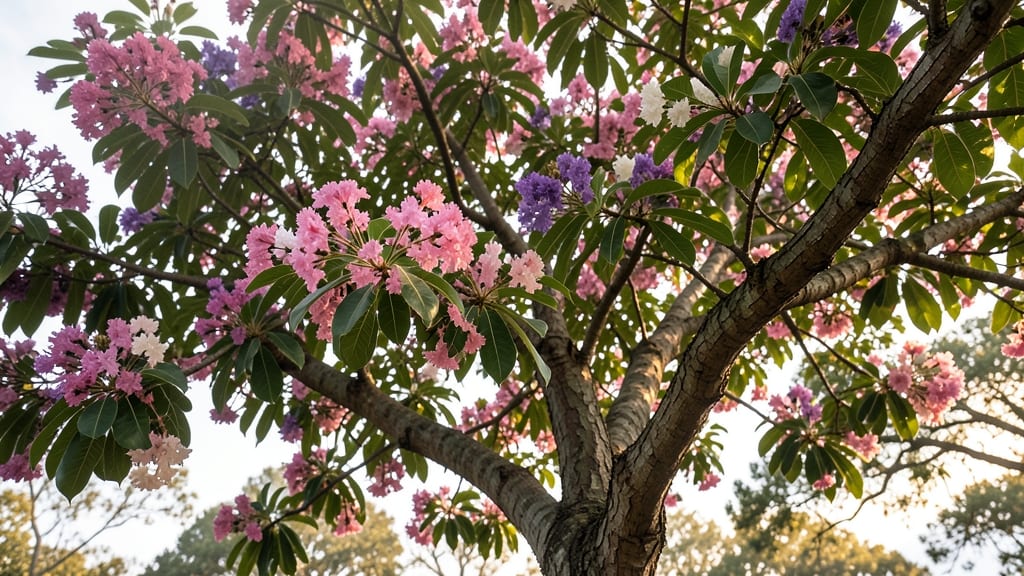
If you’re craving summer color that lasts from June through fall, crape myrtles are the ultimate workhorse for South Carolina’s climate. These drought-tolerant beauties thrive in the heat and humidity that challenge other flowering bushes, offering blooms in pink, purple, or white without fuss.
Plant them in full sun for maximum blooms, and they’ll reward you with minimal pruning—just remove dead wood in late winter. Their peeling bark adds winter interest, and varieties like ‘Natchez’ (white) or ‘Muskogee’ (purple) fit seamlessly into urban landscapes or mixed borders. Water deeply after planting, then let nature take over.
Urban gardeners and busy homeowners will love how crape myrtles handle neglect while still delivering bold seasonal color. 🌻
Dwarf Fothergilla for Fragrant Spring Blooms
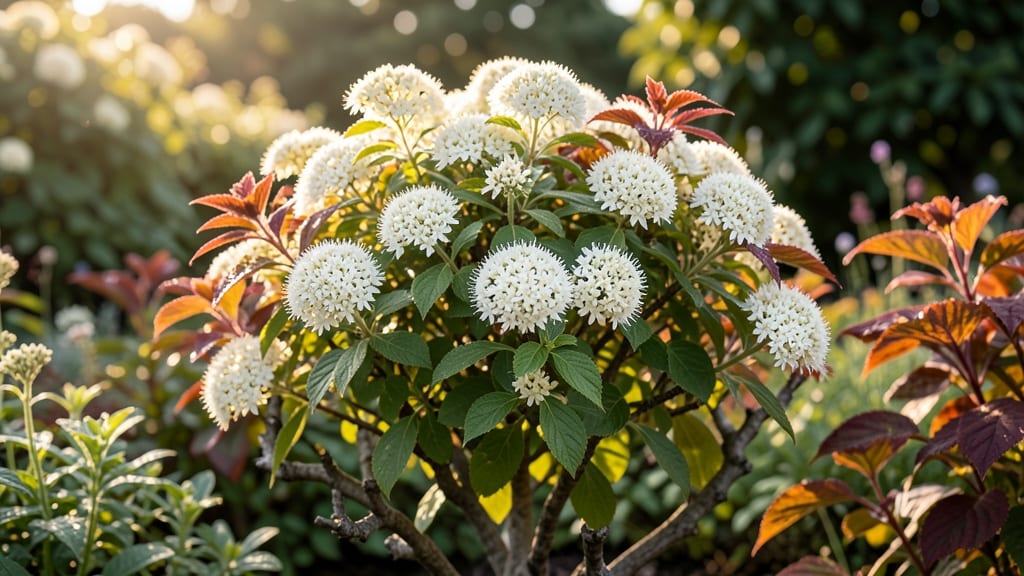
If you crave a fragrant spring display that doubles as a fiery autumn showstopper, dwarf fothergilla (Fothergilla gardenii) is your perfect low-maintenance shrub. Unlike its larger relatives, this compact native stays under 4 feet tall, making it ideal for foundation plantings or small gardens where space is limited.
Its showy white bottlebrush flowers in late spring release a sweet, spicy fragrance that fills the air, while its fall foliage transforms into brilliant shades of orange and red—long after most shrubs have faded. Once established, it thrives on rainwater alone, tolerating South Carolina’s heat and occasional drought with ease. Plant it in well-draining soil with morning sun or partial shade for best results.
This shrub is especially rewarding for gardeners who want year-round interest without the fuss of high-maintenance plants. Perfect for borders, woodland edges, or even as a standalone specimen, it’s a true standout in any landscape. 🌷
Texas Sage for Year-Round Interest
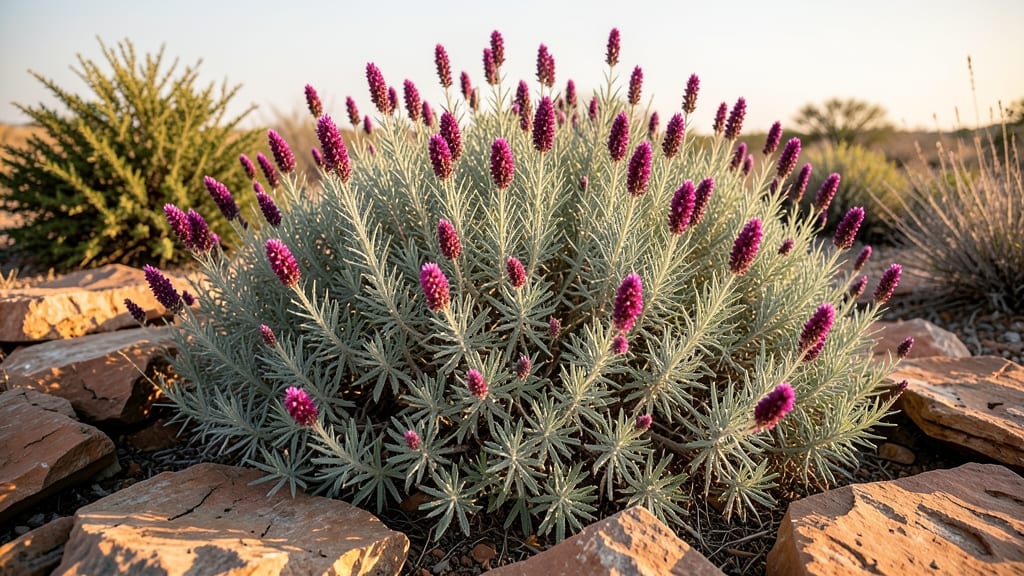
If you’re tired of watering bushes that still struggle in South Carolina’s heat, Texas sage (Leucophyllum frutescens) is your drought-proof solution. This native shrub thrives with almost no supplemental water once established, making it a standout for xeriscaping or rock gardens where conservation is key.
Its silvery-green foliage provides year-round texture, while purple blooms appear after rain, attracting bees, butterflies, and hummingbirds—even in dry spells. Unlike many flowering shrubs, Texas sage is deer-resistant and handles full sun beautifully. Prune lightly after blooming to maintain shape, and watch it reward you with low-maintenance color from summer through fall.
Perfect for gardeners who want pollinator-friendly plants without the fuss, Texas sage is especially great for South Carolina’s inland areas where water restrictions are common. 🌟
Oakleaf Hydrangea for Shade Tolerance
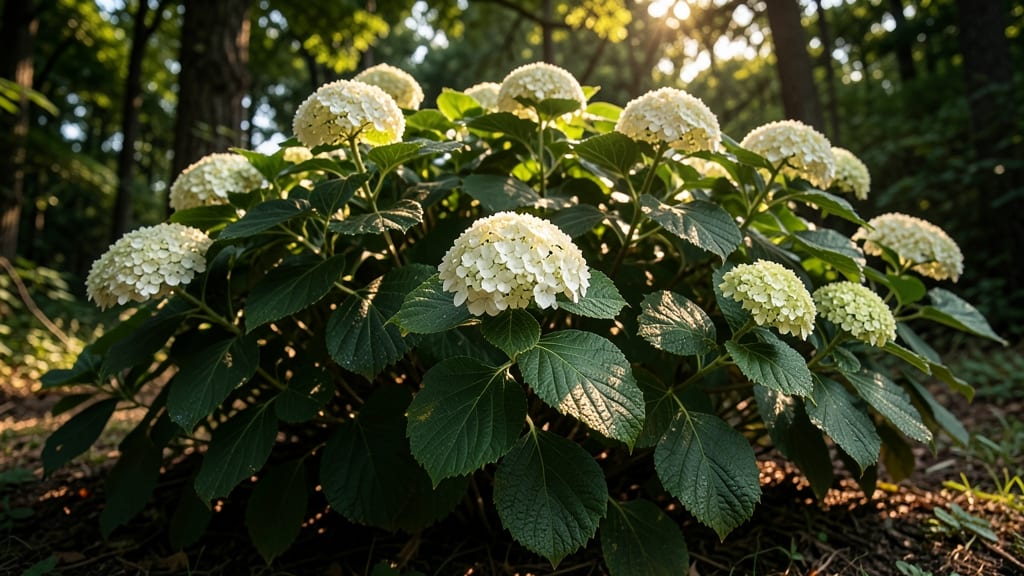
If your garden has shady spots where most hydrangeas refuse to bloom, oakleaf hydrangea is your solution. Unlike fussy varieties, this shrub thrives in partial shade—the perfect match for South Carolina’s humid climate where afternoon sun can stress other plants.
Its large, oak-shaped leaves provide year-round interest, while summer blooms in pink or blue add a pop of color without demanding extra care. Plant in well-draining soil and water moderately—once established, it handles South Carolina’s heat and humidity with ease. The foliage even turns fiery red in fall, giving you a bonus seasonal show.
This is the ideal choice for gardeners who want a low-maintenance, shade-tolerant hydrangea that still delivers drama. 🌿
Abelia for Four-Season Appeal
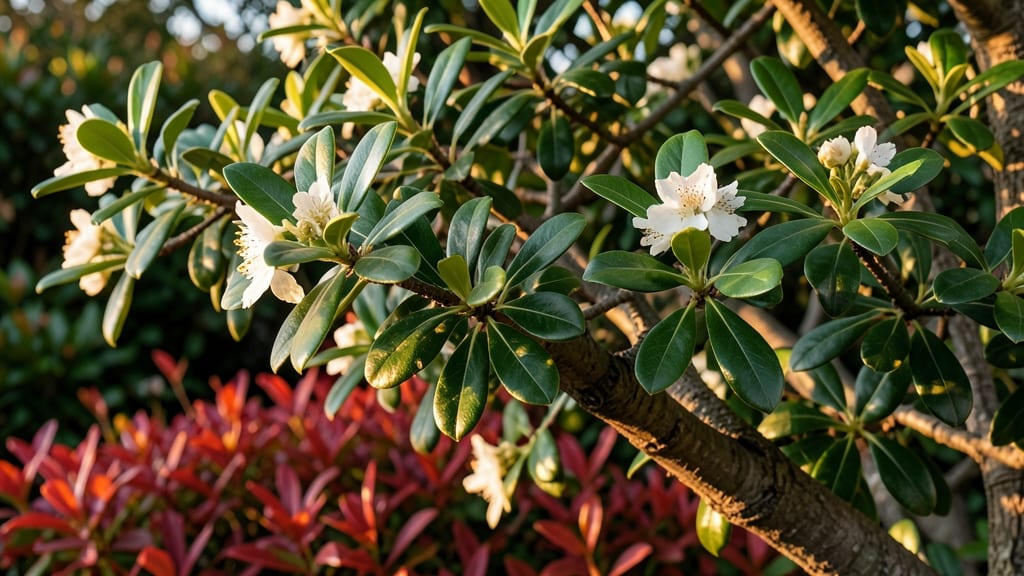
Tired of bushes that only shine in one season? Abelia delivers year-round interest with its glossy evergreen leaves, fragrant white blooms in summer, and fiery red foliage in fall—all while thriving in South Carolina’s heat and drought.
This adaptable shrub handles partial sun to full shade and requires minimal water once established, making it perfect for low-maintenance landscapes. Prune lightly after flowering to maintain shape, and watch it reward you with four seasons of texture and color in mixed borders or as a natural hedge.
Perfect for gardeners who want long-lasting beauty without the fuss, Abelia’s delicate flowers and lush foliage create a soft contrast to bolder plants like crape myrtles or Texas sage. 🌿
Butterfly Bush for Pollinator Gardens
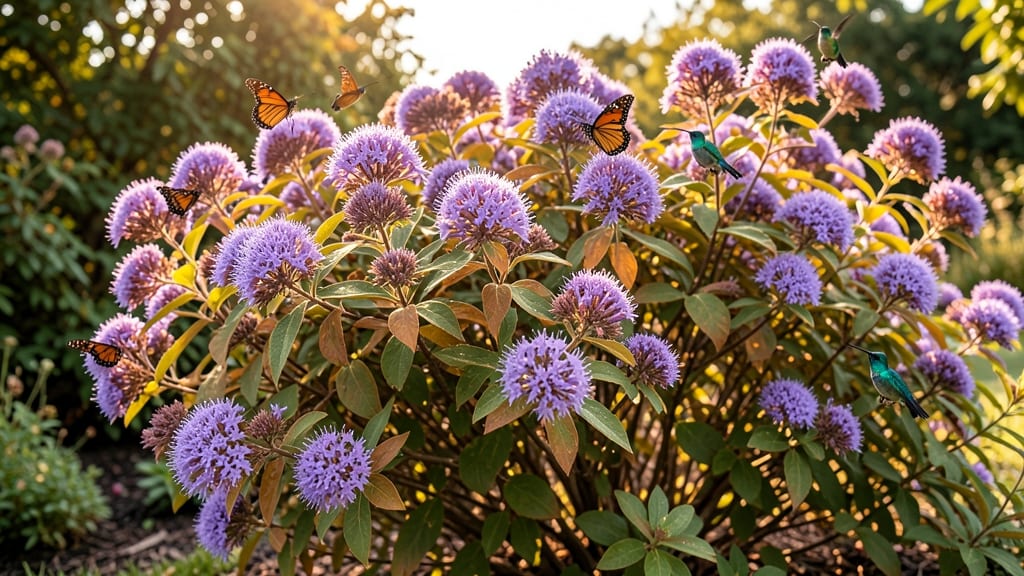
If you want to turn your South Carolina garden into a buzzing hub for monarch butterflies and hummingbirds, the butterfly bush (Buddleia) is your secret weapon. This hardy shrub thrives in the state’s heat and drought conditions while producing fragrant, nectar-rich blooms that pollinators can’t resist.
Plant butterfly bush in full sun for maximum blooms, and choose varieties like ‘Lo & Behold®’ or ‘Pink Delight’ for compact growth and vibrant colors. Prune back stems in early spring to encourage dense, fragrant flower spikes that appear from summer through fall. With its drought-tolerant roots and pollinator magnet appeal, this bush is perfect for wildlife gardens, meadows, or even urban containers.
South Carolina gardeners focused on biodiversity will love how butterfly bush supports declining pollinator populations while requiring minimal water once established. 🌻
Wax Myrtle for Coastal Resilience
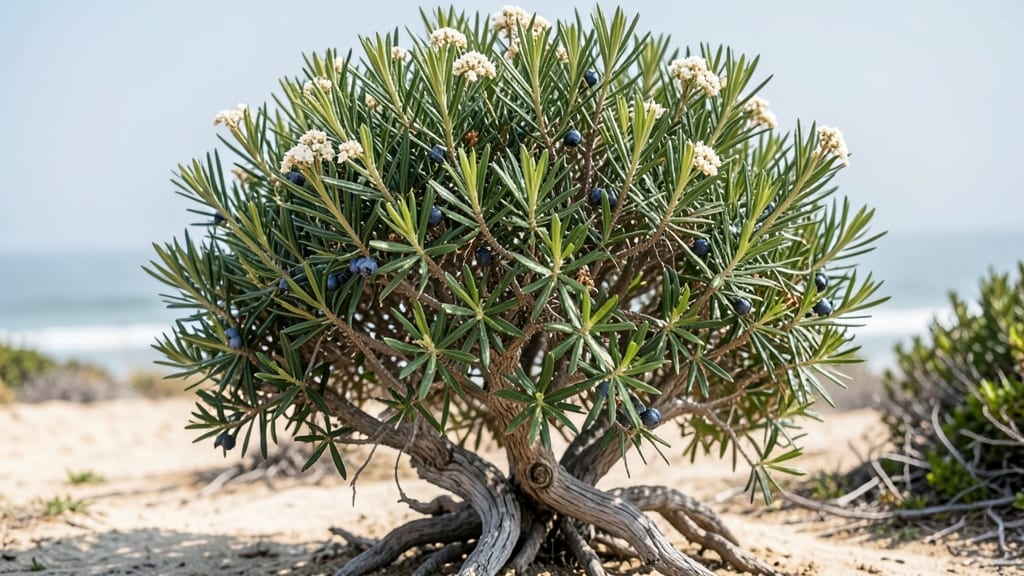
If your coastal South Carolina garden battles salty winds, sandy soil, and unpredictable rainfall, wax myrtle is the unsung hero you need. This native shrub thrives where others fail, offering fragrant foliage that smells like fresh pine and small white flowers followed by berries that feed birds year-round.
Plant wax myrtle in full sun to partial shade, where it handles drought, salt spray, and even poor soil with ease. Prune lightly after flowering to maintain shape, and watch it grow 6-12 feet tall while attracting pollinators and wildlife. Its glossy, evergreen leaves also provide winter interest when other plants have faded.
Perfect for homeowners along the coast or those seeking a low-maintenance shrub that supports local ecosystems, wax myrtle delivers beauty and function without the fuss. 💚