
Pruning
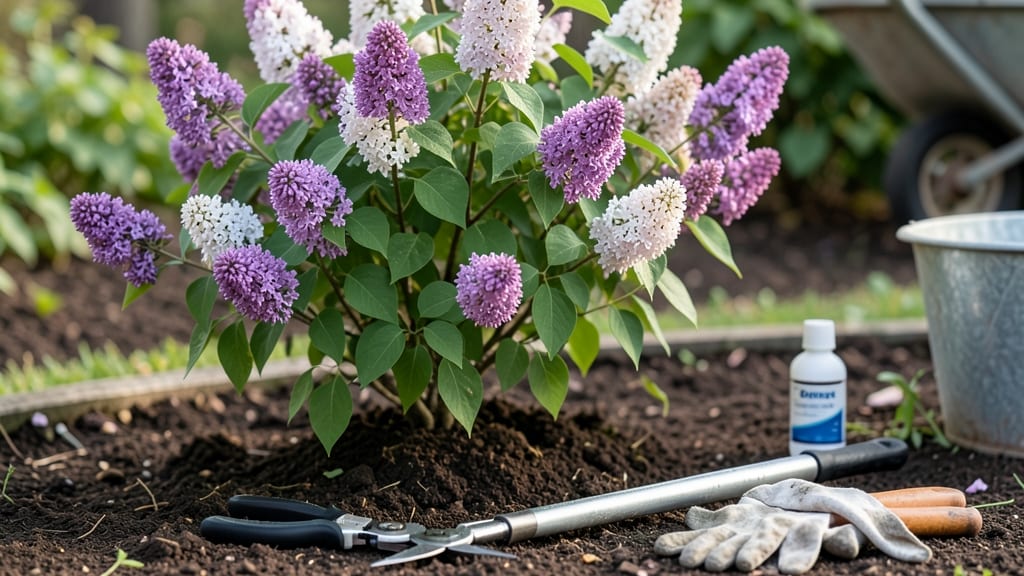
Trimming lilac bushes in spring isn’t just about shaping—it’s about unlocking their full potential. ✂️ The right timing and technique can transform your lilacs from sparse, leggy shrubs into lush, fragrant powerhouses that bloom like clockwork.
I learned this the hard way after my first overzealous pruning session left my bushes looking like sad, bare twigs.
The key is acting right after flowering, when the blooms fade but before new growth hardens. This encourages fuller blooms next year while keeping your bushes compact.
You’ll need sharp bypass pruners, a pair of gloves, and a clear understanding of which stems to cut—old wood doesn’t regrow, so precision matters. Most lilacs thrive with 10-20% of their oldest stems removed each year.
What you’ll end up with is a bush that’s denser, healthier, and more productive—with fewer pests and better air circulation. The fragrance alone makes it worth the effort, but the long-term benefits are what keep gardeners coming back.
Lilacs can live for decades if pruned correctly, and each year’s blooms will be more abundant than the last.
This method works for all lilac varieties, whether you’ve got the classic purple ‘Common Lilac’ or a showy hybrid like ‘Dwarf Korean Lilac.’ The same principles apply, so you can adapt the technique to your specific bushes. Ready to give your lilacs the care they deserve?
📚 In This Guide
- What you need
- Instructions
- Tips and common mistakes
- Wrapping up and next steps
What you need
- ● Pruning shears or bypass pruners – Choose sharp, bypass-style shears (not anvil) for clean cuts. A 5- to 8-inch blade size works best for most lilac branches.
- ● Loppers – For thicker branches (over ½-inch in diameter), opt for 18- to 24-inch loppers with a ratcheting mechanism for ease.
- ● Gloves – Wear cut-resistant garden gloves (like mechanized or heavy-duty leather) to protect your hands from thorns and rough branches.
- ○ Disinfectant (optional but recommended) – A 10% bleach solution (1 part bleach to 9 parts water) or rubbing alcohol to sterilize tools between cuts and prevent disease spread.
- ● Heavy-duty trash bags or compost bin – Lilac trimmings can be bulky! Have 2-3 large bags (or a wheelbarrow) ready for debris.
- ○ Pruning saw (optional for stubborn branches) – A curved-tooth pruning saw helps with thick, woody stems that shears can’t handle.
- ● Hand pruners with ergonomic grips – Reduces hand fatigue during long sessions.
- ● Knee pads or a small stool – Lilac bushes can be tall; comfort matters!
- ● Spray bottle with water – Keeps blades cool and prevents sap from gumming up tools.
- ● Marking twine or flags – Helps identify branches to keep if you’re unsure about cuts.
- ● Safety glasses – Protects eyes from flying debris, especially when using a saw.
Instructions for trimming lilac bushes in spring
Here’s my foolproof method for pruning lilacs—timed just right to boost blooms without sacrificing next year’s flowers.
⏰ Step 1: Time Your Trim After Blooming
Lilacs bloom on old wood, so wait until 2-4 weeks after flowering—when spent blooms turn brown but new buds haven’t formed yet. This ensures you don’t cut off next year’s flowers. I mark my calendar after the last lilac bloom fades completely; that’s my cue to grab the shears.
If you prune too early, you’ll sacrifice next season’s blooms. If you wait too long, the bush gets overcrowded and leggy. Watch for new growth at the base—that’s your signal to act.
✂️ Step 2: Cut Back Old Wood to Encourage New Growth
Remove 1/3 of the oldest stems at the base, cutting just above a bud or outward-facing branch. These stems are usually the thickest and least productive. I like to start with the 3-4 largest canes—they’re the biggest energy drainers for the bush.
Use sharp, clean shears to make 45-degree cuts just above a leaf node or outward-facing bud. This prevents water from pooling on the cut and encourages new growth to shoot out from the side. Avoid cutting into the center of the bush—this creates a dense, shaded interior where flowers won’t thrive.
☀️ Step 3: Thin Out Crowded Branches for Better Airflow
Next, thin out 10-20% of the remaining branches to improve airflow and sunlight penetration. Focus on branches that cross or rub against each other—they’ll eventually tear and invite disease. I scan the bush from all sides, removing any that grow inward or downward.
Look for thin, weak stems with few leaves—they’re not contributing much to the bush’s structure. Cut these back to the main stem or a strong side branch. This step transforms a tangled mess into an open, airy shape that blooms more vigorously.
🌿 Step 4: Shape the Bush for Balance and Height
Finally, shape the bush by trimming back the remaining branches by 1/3 of their length. Cut just above a bud that faces outward to encourage a fuller, rounded form. I start at the top and work my way down, stepping back occasionally to check the overall shape.
Lilacs naturally grow in a vase-like shape, so avoid cutting them too severely—this can stunt future blooms. If you’re happy with the bush’s height, focus on light shaping rather than drastic reduction. The goal is to maintain a natural, balanced silhouette.
💧 Step 5: Clean Up and Mulch for Recovery
After pruning, rake up all the clippings and dispose of them—never leave them beneath the bush, as they can harbor pests and diseases. I also add a 2-inch layer of mulch around the base, keeping it 6 inches away from the trunk to prevent rot.
Water the bush deeply after pruning to help it recover. Lilacs are drought-tolerant once established, but a good soak after trimming encourages strong new growth. Avoid fertilizing right after pruning—wait until new shoots appear in early summer.
Tips & tricks for perfect lilac trimming in spring
Mastering the art of lilac pruning takes practice, but these insights will help you avoid common pitfalls and achieve that perfect balance between this year's blooms and next year's growth.
Timing is Everything: The 2-4 week window after blooming is critical—this is when lilacs have finished flowering but haven't yet started forming new buds for next spring. I always check for browned flower clusters that have completely dried up, then wait another week before pruning. This ensures you're not cutting off potential blooms while still removing spent wood that would otherwise drain energy from the bush.
Tool Prep Matters: Before you even touch a branch, make sure your pruning shears are sharp and clean. Dull blades crush stems instead of making clean cuts, which can damage the plant and invite disease. I like to wipe down my shears with rubbing alcohol between cuts to prevent spreading any potential pathogens. Also, keep a small bucket nearby to collect clippings—you'll be surprised how much waste you generate!
Visual Cues for Better Pruning: When shaping your lilac, focus on creating an open center that allows sunlight to reach all parts of the bush. Imagine you're looking at a vase—you want the branches to fan out naturally. For Step 4's 1/3 length reduction, I find it helpful to mentally divide each branch into thirds before making my cut. This ensures you're not removing too much at once, which could stress the plant.
Recovery Strategy: After pruning, the 2-inch layer of mulch isn't just decorative—it helps regulate soil temperature and retain moisture. I always use organic mulch like shredded bark or wood chips, keeping it 6 inches away from the trunk as instructed. This prevents rot while encouraging strong root growth. The deep watering after pruning is equally important—think of it as giving your lilac a drink of water to help it recover from surgery!
Pro Tips for Trimming Lilac Bushes In Spring
- Mastering the art of lilac pruning takes practice, but these insights will help you avoid common pitfalls and achieve...
- Timing is Everything: The 2-4 week window after blooming is critical—this is when lilacs have finished flowering but ...
- Tool Prep Matters: Before you even touch a branch, make sure your pruning shears are sharp and clean. Dull blades cru...
Frequently asked questions
Got questions about keeping your lilacs in tip-top shape? You’re not alone! Here are some of the most common queries—and their answers—to help you trim with confidence.
When is the exact best time to trim lilacs in spring?
The ideal window is right after the flowers fade but before new buds form—usually late May to early June. Trimming too early (like in early spring) risks cutting off next year’s blooms. If you miss this, wait until July, but expect fewer flowers the following year.
What if I cut my lilacs too late in the season?
If you trim after July 1st, you’ll likely prune off next year’s flower buds, which form on old wood. However, lilacs are resilient! Focus on shaping and thinning rather than heavy cuts. Just avoid drastic pruning—stick to removing dead or crossing branches instead.
Can I trim lilacs in early spring for better growth?
Not recommended! Early spring pruning (before blooms open) can stimulate leafy growth at the expense of flowers. Lilacs bloom on last year’s growth, so wait until after flowering. If your bush is overgrown, light thinning in late winter (removing 10-20% of branches) is safer than full pruning.
How do I revive an overgrown lilac bush?
Reviving a neglected lilac takes patience! Start by thinning out 1/3 of the oldest, thickest stems at the base. For the remaining branches, cut back to a bud or side shoot. Apply a balanced fertilizer in early spring, and water deeply during dry spells. It may take 2-3 years to see full recovery.
Will trimming lilacs affect their fragrance?
Not if done correctly! Proper pruning enhances airflow and sunlight, which actually boosts fragrance by promoting healthier blooms. Avoid shearing (cutting into the center)—this can weaken growth and reduce scent. Instead, shape from the outside in to encourage strong, fragrant stems.
Are there alternative ways to prune lilacs if I don’t have shears?
Use clean, sharp tools like:
- Hand pruners for small branches (under ½ inch thick).
- Loppers for thicker stems (up to 2 inches).
- A saw for stubborn, woody branches (3+ inches).
Wrapping up and next steps
Trimming your lilac bushes in spring is the secret to vibrant blooms and healthy growth—and you’ve got all the tools to make it easy! 🌸 By following the right timing (just after flowering) and technique (shaping, thinning, and cleaning up), you’ll encourage stronger stems and fragrant flowers for years to come.
Now that you’re armed with confidence, grab those pruners and get ready to transform your garden!
💡 Next step: Mark your calendar for late spring or early summer—when those lilacs finish blooming—and give your bushes the love they deserve. Your future self (and your neighbors!) will thank you. 😊