
How To
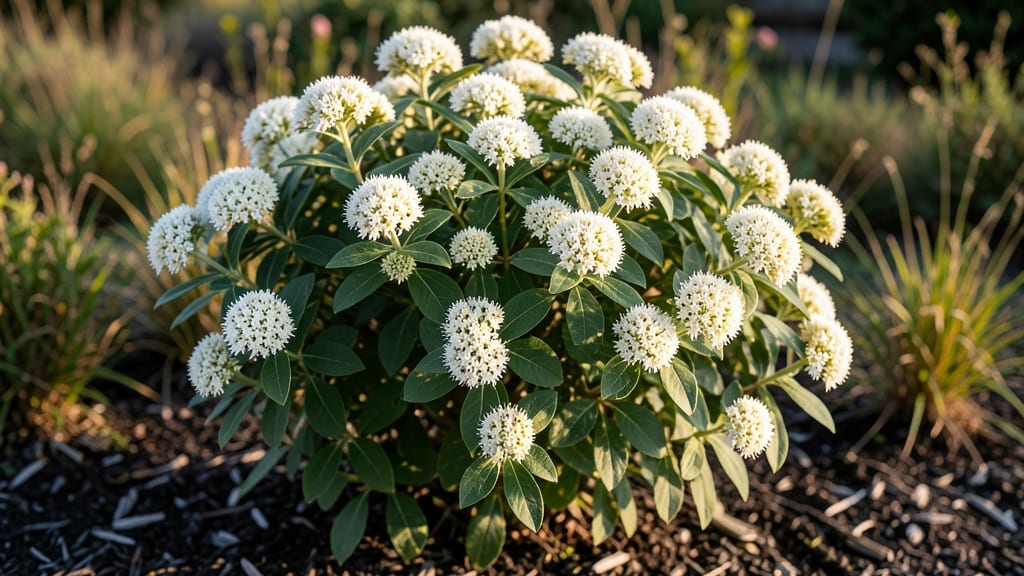
Buttonbush blooms in late spring to early summer 🌸, with timing that shifts dramatically depending on where you garden.
If you're dreaming of fragrant white blooms that attract butterflies and hummingbirds, timing your buttonbush planting just right is key—but when exactly does this native shrub burst into flower?
In USDA Zone 6a, where many gardeners live, buttonbush typically opens its delicate clusters in May or June, though southern gardens in Zones 7-10 often see blooms as early as April. Northern zones may wait until July, especially in cooler microclimates.
Below, I’ll break down the exact months for your zone, plus how to encourage longer, more abundant blooms—including the best companion plants to pair with it for a showstopping display.
Buttonbush blooming timeline by USDA hardiness Zones
Timing your garden plans around buttonbush blooms means knowing when those fragrant, spherical white flowers will appear in your region. Since Cephalanthus occidentalis thrives across USDA Zones 4-10, bloom periods shift dramatically—sometimes by 6+ weeks—depending on your location.
Whether you're in Zone 5 or Zone 9, understanding these variations helps you plant companion species and prepare for peak butterfly activity.
Buttonbush typically blooms in late spring to early summer, but exact timing depends on frost dates, soil warmth, and rainfall patterns. In warmer southern zones (8-10), blooms often start as early as April, while northern gardens (4-6) may not see flowers until June or July.
Even within the same zone, microclimates—like proximity to water bodies—can advance or delay blooms by 2-3 weeks.
Here’s a zone-by-zone breakdown of when buttonbush blooms, including early and late bloomers in each region. Use this as your planting and pruning guide to maximize floral displays year after year.
| USDA Zone | Typical Bloom Start | Peak Bloom Period | Bloom Duration | Notes |
|---|---|---|---|---|
| Zones 4-5 | Late June | Mid-July to early August | 4-6 weeks | Late bloomers; needs warm soil |
| Zones 6-7 | Early June | Late June to July | 5-6 weeks | Moderate climate; reliable blooms |
| Zones 8-9 | Mid-April to early May | May to June | 6-8 weeks | Early bloomers; longer display |
| Zone 10 | Late March | April to May | 7-9 weeks | Year-round warmth; may rebloom |
🌸 Note: Blooms may shift 1-2 weeks earlier in wet years or later in drought conditions.
If you’re in Zone 4 or 5, plan to enjoy buttonbush blooms during July and August, when temperatures are warm but not yet scorching. These late bloomers reward patience with dense clusters of fragrant flowers that hummingbirds adore.
I’ve found that planting near a small pond or rain garden can encourage earlier blooms by keeping soil consistently moist.
Gardeners in Zones 6 and 7 have the advantage of a longer bloom window, typically from late June through July. This overlap with summer pollinators makes buttonbush a star in pollinator gardens.
To extend the display, prune spent blooms in early August—this can stimulate a secondary flush of flowers in late summer, especially in Zone 7.
For those in Zones 8-10, buttonbush blooms arrive as early as April, aligning perfectly with spring migration for butterflies and bees. In Zone 10, the plant may even rebloom in fall if conditions remain mild.
I’ve seen buttonbush in southern Florida gardens produce three bloom cycles in a single year—proof of its adaptability to warm climates.
How climate and location affect buttonbush flowering time
Buttonbush (Cephalanthus occidentalis) is one of nature’s most reliable bloomers, but its flowering window shifts dramatically based on your USDA zone and local climate.
In southern gardens (Zones 7-10), you’ll often see those iconic fragrant white globes appear as early as late April, while gardeners in northern Zones 4-6 may not see blooms until June or July. The difference?
A mix of warmer winters, longer growing seasons, and moisture availability that triggers bud formation.
The 3-4 week delay between southern and northern blooms isn’t just about temperature—it’s also tied to sunlight exposure and microclimates. A buttonbush planted near a pond or wetland in Zone 5 might bloom weeks earlier than one in full sun on a dry hillside just miles away.
Even urban heat islands can push blooms forward by 10-14 days compared to rural areas in the same zone.
- 🌡️ Zone 4-5: Blooms June-July (after last frost, often late May)
- 🌡️ Zone 6-7: Blooms May-June (can start as early as mid-April in microclimates)
- 🌡️ Zone 8-9: Blooms April-May (peak in southern Florida by March)
- 💧 Moisture Matters: Wetland sites bloom 2-3 weeks earlier than dry soils
- ☀️ Sunlight Shift: Partial shade delays blooms by 1 week vs. full sun
- 🌿 Microclimates: Urban areas bloom 10-14 days early due to heat retention
Moisture plays a critical role in buttonbush blooming. This native shrub thrives in wet soils—think pond edges or bog gardens—where consistent moisture signals the plant to initiate flowering.
In drier climates (Zones 6-7), supplemental watering during late winter can coax blooms 2 weeks earlier by mimicking natural spring saturation. Conversely, prolonged drought can delay blooms until July or August, especially in sandy soils.
Sunlight exposure also tweaks the bloom window. While buttonbush tolerates partial shade, plants in full sun (like those in Zone 8 gardens) often bloom 1-2 weeks earlier than shaded counterparts.
The trade-off? Southern sun can cause bud drop if temperatures exceed 90°F during peak bloom—so afternoon shade becomes crucial in Zones 9-10.
Don’t overlook microclimates—the 10-foot difference between your south-facing slope and north-facing yard can shift blooms by 2-3 weeks.
For example, a buttonbush in Zone 6’s urban heat island might bloom in early May, while one in a cool valley could wait until mid-June. Test your site by planting two shrubs in different exposures and track the results!
To advance blooms in cooler zones, try these tricks: Mulch heavily in late winter to retain heat, plant near a south-facing wall, or water deeply in February to jumpstart growth. In hot climates, prune lightly after blooming to reduce stress and encourage next year’s buds to form earlier.
With the right conditions, you could turn your June blooms into May magic—or extend the show into early fall.