
Pruning
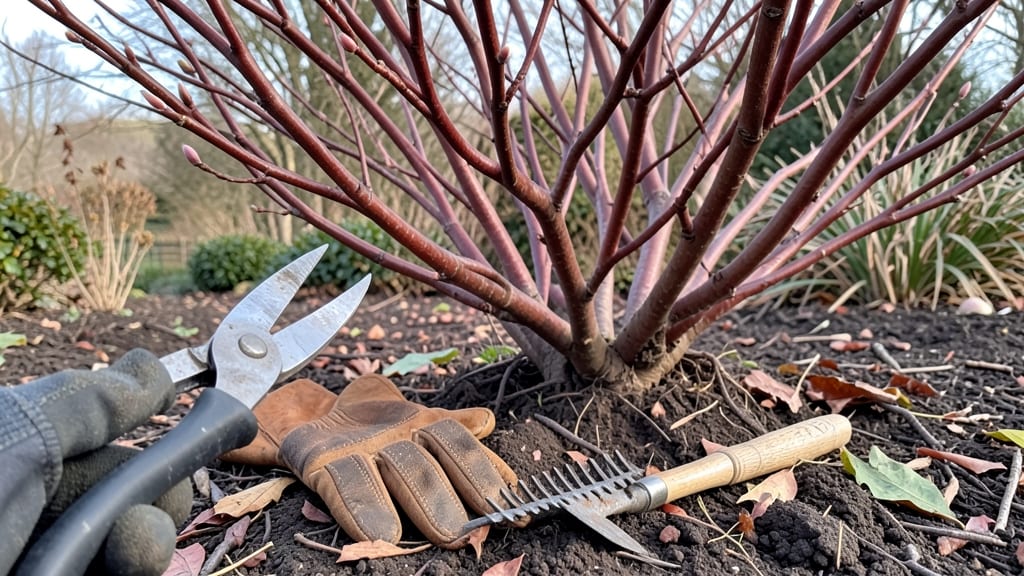
To cut back burning bushes at the right time ensures vibrant spring growth and keeps pests at bay—so timing is everything for your 🌿 shrub’s health.
Picture this: You’ve just pruned your burning bush, only to watch it struggle through the season with sparse foliage or worse, attract unwanted critters. That’s why late winter is your sweet spot—after dormancy but before new buds appear.
Most gardeners in USDA Zones 3-9 should aim for late February to early March, but regional climate plays a role. Warmer zones might wait until March, while colder areas can prune earlier if the ground isn’t frozen.
In this guide, I’ll walk you through the exact signs to look for, step-by-step pruning techniques, and how to avoid common mistakes that could weaken your shrub’s next season.
Best late winter timing for cutting back burning bushes
Pruning your burning bushes (Euonymus alatus) at the right time in late winter sets the stage for vibrant spring foliage and healthy regrowth. The key window is after dormancy breaks but before new growth emerges, typically between late February and early April in most regions.
This timing ensures you remove dead wood while preserving next year’s buds.
Your local climate plays a huge role—warmer southern zones (like USDA Zone 8-9) can prune as early as February, while colder northern zones (like Zone 3-5) should wait until April to avoid frost damage.
Watch for leaf buds swelling on stems; these are your cue that it’s time to act.
I always check for consistent daytime temperatures above 40°F (4°C) and nighttime temps above 32°F (0°C)—this balance signals the plant’s readiness. Pruning too early can stress the shrub, while waiting too long risks overgrown branches that block sunlight from inner stems.
Here’s a quick guide to help you spot the perfect moment:
If you’re unsure, err on the side of waiting—over-pruning in cold snaps can shock the plant. I’ve seen burning bushes recover from late pruning, but their spring color intensity suffers if cut too aggressively.
For example, my Zone 5 bushes always wait until mid-April to ensure no late frosts damage fresh cuts.
Another pro tip: Prune on a dry, overcast day to reduce stress. Wet conditions can spread bacterial diseases through open cuts, while bright sun on freshly pruned branches may scorch tender new tissue. Always sanitize your pruning shears with rubbing alcohol between cuts to prevent contamination.
Regional microclimates matter too—shrubs in urban heat islands may break dormancy earlier than rural counterparts. I once pruned my neighbor’s burning bush in early March, only to see it rebound with new growth while my identical plant in a cooler backyard needed another month. Observe your plant’s unique rhythm!
For older, established bushes, you can also do a light structural pruning in late winter to open the center for better airflow. Aim to remove no more than 25-30% of the total foliage—this keeps the shrub’s energy reserves intact for spring’s burst of red-orange leaves.
Remember, burning bushes bloom on old wood, so avoid heavy cuts that remove last year’s growth.
If you miss the late-winter window, don’t panic—you can still prune in early spring, but expect slightly delayed foliage color. The real risk comes from waiting until summer, when pruning can stimulate weak, leggy growth before winter. Always prioritize timely pruning over perfect timing.
Finally, mark your calendar for next year! I use weather apps to track last frost dates and set reminders for my burning bush pruning schedule. With the right timing, your shrubs will reward you with brighter colors and denser branches every spring. 🌿✂️
Step-by-step pruning process for healthy regrowth
Now that you’ve picked the perfect late winter window, it’s time to prune your burning bushes with precision. The right cutting technique ensures vibrant regrowth while avoiding stress or disease. Start by gathering your pruning tools—a sharp pair of bypass pruners for clean cuts and loppers for thicker stems.
Disinfect your tools with rubbing alcohol to prevent spreading bacterial infections between cuts.
Your goal is to remove dead or diseased branches first, cutting back to the nearest healthy bud or stem junction. This step improves airflow and reduces pest risks. For shaping, focus on thinning out crowded areas to let light reach the inner foliage.
Never remove more than one-third of the plant’s foliage in a single session—this rule prevents shock and ensures robust spring blooms.
Step-by-Step Pruning Guide for Burning Bushes
- Step 1: Identify and remove dead/diseased branches first—cut 1/4 inch above a healthy bud.
- Step 2: Thin out overcrowded areas to improve airflow; aim for open, airy structure.
- Step 3: Shape the shrub by cutting just outside the bud at a 45-degree angle for water runoff.
- Step 4: Avoid topping (cutting flat across)—this invites pests and weakens growth.
- Step 5: Clean up pruned debris and apply mulch around the base to retain moisture.
💡 Pro Tip: Prune on a dry, sunny day—this helps wounds dry faster and reduces fungal risks.
When cutting, always make your snips just outside the bud at a 45-degree angle. This angle helps rainwater run off the cut, preventing rot. For thicker branches, use your loppers and avoid tearing the bark—smooth cuts heal faster.
If your burning bush has excessive suckers at the base, trim them back to redirect energy to the main structure.
After pruning, monitor your shrub closely for the first 2-3 weeks. Look for signs of stress, like wilting or yellowing leaves, which may indicate over-pruning. If you’ve removed too much foliage, apply a balanced fertilizer (like 10-10-10) to support recovery.
Water deeply but avoid overwatering, which can suffocate roots and invite disease.
For seasonal maintenance, schedule a light pruning in early fall (September) to shape the shrub before winter dormancy. This keeps the plant tidy and prepares it for cold weather. Avoid heavy pruning in fall, as new growth won’t harden off before frost.
With consistent care, your burning bush will reward you with vibrant red foliage and a fuller form year after year.
Remember, the key to pruning success is patience and precision. Take your time to inspect each branch, and don’t rush the process. A well-pruned burning bush will thrive for decades, becoming the showstopper of your landscape.