
Fertilization
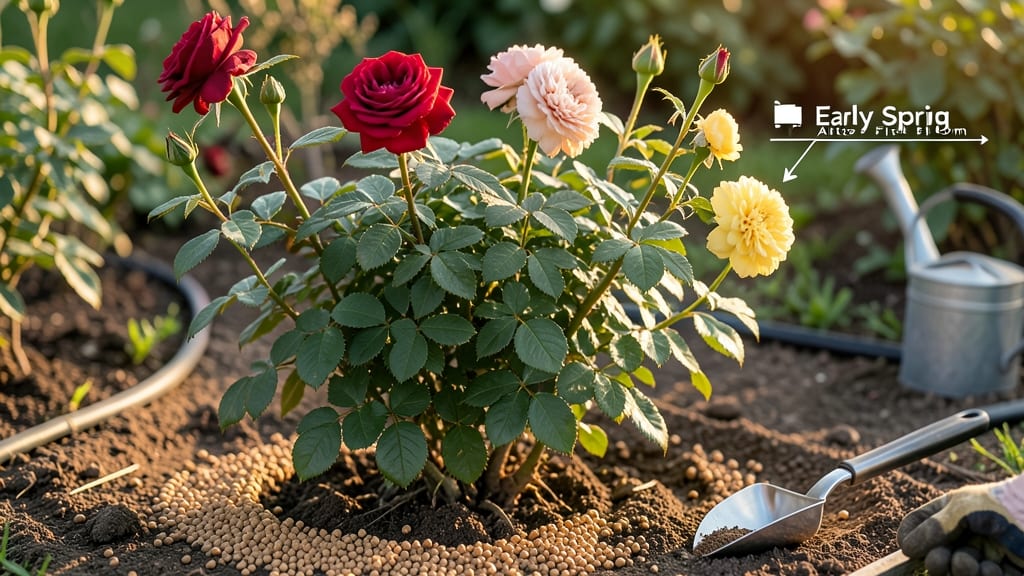
To feed rose bushes at the right time ensures stronger roots, bigger blooms, and a plant that thrives all season—so getting the timing wrong can mean wasted fertilizer or even damage.
Picture this: you’ve just pruned your 🌹 roses in early spring, and the new buds are popping out. That’s your cue to feed—but wait too long, and you’ll miss the window when your roses need that nutrient boost the most.
In this guide, I’ll walk you through the exact months to feed your roses, whether you’re using organic compost or synthetic fertilizer, and how to adjust for your climate. No guesswork, just results.
You’ll also learn the one mistake most gardeners make that stunts growth—and how to avoid it. Let’s get those roses flourishing!

Best times to feed rose bushes for maximum blooms
Roses reward careful gardeners with vibrant blooms and lush foliage—but only if you feed them at the right times. Timing your fertilizer applications to match your rose’s growth cycle ensures you’re not wasting nutrients or stressing the plant.
Think of it like feeding a child: too little, and they don’t grow; too much, and they get sick. The key is three strategic feedings each year, aligned with nature’s cues.
Most gardeners make the mistake of feeding roses year-round, which can lead to over-fertilization and weak growth. Instead, focus on three critical windows: early spring to kickstart growth, mid-summer to sustain blooms, and early fall to strengthen roots for winter.
Each of these stages has a specific purpose—whether it’s encouraging new shoots, supporting flower production, or preparing for dormancy.
Here’s the science-backed breakdown: Roses are heavy feeders, meaning they need a steady supply of nutrients, but they’re also seasonal growers. In spring, they prioritize leaf and stem growth; in summer, they shift energy to flower production; and in fall, they focus on root development.
Feeding outside these windows can disrupt this natural rhythm, leading to stunted blooms or even plant stress.
Now, let’s compare the two most popular feeding approaches: organic fertilizers (like compost or manure) and synthetic fertilizers (like granular or liquid blends). Each has pros and cons, and the best choice depends on your gardening goals and soil health.
For example, organic fertilizers release nutrients slowly, mimicking natural processes, while synthetics provide an immediate boost. But which one aligns with your rose’s needs at each feeding window?
| Feeding Window | Purpose | Organic Fertilizer | Synthetic Fertilizer | Best For |
|---|---|---|---|---|
| Early Spring (March-April) | Stimulate new growth | Compost, worm castings, or balanced organic 5-5-5 | Granular 10-10-10 or slow-release pellets | Soil health, long-term growth |
| Mid-Summer (June-July) | Support blooming | Fish emulsion, seaweed extract, or bone meal | Liquid bloom booster (high phosphorus) | Immediate flower production |
| Early Fall (September) | Strengthen roots | Compost tea or low-nitrogen organic blend | Balanced 5-5-5 or potassium-rich fertilizer | Winter hardiness |
Let’s start with the first feeding window: early spring, typically in March or April, when you see the first signs of new growth. This is when roses are breaking dormancy and need a nutrient boost to fuel their leaf and stem expansion.
Use a balanced fertilizer (equal parts nitrogen, phosphorus, and potassium) to encourage healthy foliage. For organic gardeners, this is the perfect time to amend the soil with compost or well-rotted manure. If you’re using synthetics, a granular 10-10-10 applied around the base of the plant works wonders.
Next up is mid-summer feeding, usually in June or July, after your roses have finished their first flush of blooms. At this stage, your goal shifts to supporting continuous flowering. Roses are heavy bloomers, and they need extra phosphorus to produce those stunning flowers.
Switch to a phosphorus-rich fertilizer, like a 5-10-5 blend or a liquid bloom booster. Organic options like fish emulsion or bone meal are excellent choices here, as they provide a gentle but effective nutrient kick.
Finally, don’t overlook the early fall feeding, which happens in September before the first frost. This isn’t about encouraging new growth—it’s about strengthening roots so your roses can survive winter. Use a low-nitrogen fertilizer to avoid stimulating tender new growth that could be damaged by cold.
Organic gardeners can use compost tea or a potassium-rich fertilizer to harden off the plant. Synthetic options like a 5-5-5 blend work well too, but apply it lightly to avoid overstimulating the plant before dormancy.
One common mistake I see is gardeners skipping the fall feeding entirely, thinking their roses are done for the year. But this final boost helps your roses store nutrients in their roots, giving them a head start in spring.
It’s like giving your plant a winter coat—it might not look like much now, but it’ll make all the difference when the growing season returns. Plus, it helps prevent winter dieback, which can be devastating for your roses.
Pro tip: Always water your roses deeply before and after feeding to help nutrients penetrate the soil. And remember, less is more—over-fertilizing can burn roots or lead to excessive foliage at the expense of blooms. If you’re unsure, start with half the recommended dose and monitor your roses’ response.
What to feed rose bushes in each season (with exact months)
Timing your rose bush feedings is like giving your plants a well-planned meal schedule—too early or too late, and they won't thrive. Roses need nutrient boosts at specific times to support new growth, blooming, and root development.
The key is feeding when they're actively growing, not when they're dormant or stressed. I've learned the hard way that over-fertilizing in fall can actually weaken roots before winter, so seasonal precision matters!
Your rose bushes will reward you with vibrant blooms and healthy foliage when you follow this month-by-month feeding guide. We'll cover what to feed, when to apply it, and how to recognize when your roses are ready for their next meal.
Whether you prefer organic options like compost or synthetic fertilizers, this schedule works for all rose varieties in USDA Zone 6a and similar climates.
Let's start with spring feeding—this is when your roses wake up from dormancy and need nitrogen for leaf growth. In March through April, apply a balanced fertilizer like 10-10-10 when you see new buds forming.
I like to use a slow-release granular fertilizer because it feeds roots steadily over 6-8 weeks. For organic gardeners, fish emulsion or alfalfa meal work beautifully during this time.
As summer arrives, shift to a phosphorus-rich fertilizer in June and July to encourage blooming. Look for a 5-10-5 ratio and apply it after your roses finish their first major bloom cycle. This helps develop strong flower buds for the next flush.
I've found that morning applications prevent fertilizer burn, especially in hot weather. Always water your roses deeply before and after feeding to help nutrients reach the roots.
Fall feeding is often misunderstood—only feed in early September with a light organic compost to strengthen roots before winter. Avoid heavy fertilizers after mid-September as new growth won't harden off before frost.
I've seen many gardeners make the mistake of feeding into October or November, which leads to tender new shoots that freeze. Instead, focus on mulching with 2-3 inches of organic matter to insulate roots.
Remember, over-fertilizing is just as harmful as under-feeding. Always follow the package instructions for application rates, and consider doing a soil test every few years to check nutrient levels.
Your roses will tell you when they're happy—dark green leaves, abundant blooms, and vigorous canes are all signs you're feeding them just right!