
How To
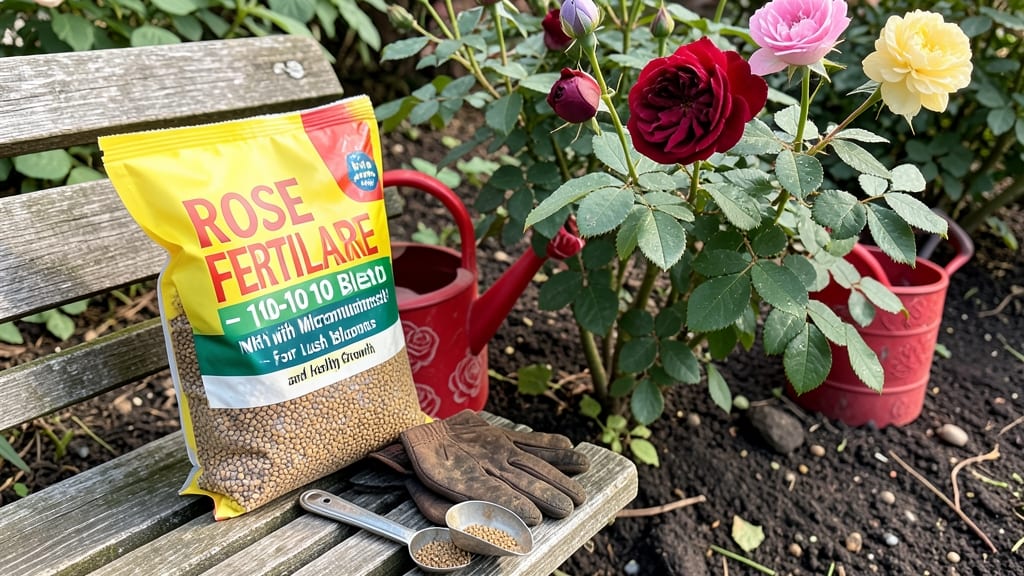
To fertilize rose bushes at the right times means blooms so bold they’ll make your neighbors jealous 🌹 — and skipping the wrong season can leave you with half-hearted growth.
Picture this: You’ve spent months pruning, watering, and dreaming of a rose garden that looks like a Pinterest board. Then, after all that work, you feed them too early or too late—and suddenly, those vibrant blooms turn into a sad, sparse show. That’s the power of timing.
Most gardeners swear by three key windows: early spring when buds swell, mid-summer after the first flush of flowers, and a light touch in early fall to prep for winter.
But here’s the catch: your rose’s variety, your climate zone (like 6a), and even your soil health can shift that schedule by weeks.
In this guide, I’ll break down the exact when, what, and how of fertilizing—plus how to spot over- or under-feeding before it’s too late. Ready to turn your roses into the star of the garden?

Best times to fertilize rose bushes for maximum blooms
Timing your rose bush fertilization is like scheduling a workout for your plants—do it at the wrong time, and you’ll get weak growth or even burned roots. The key is feeding them when they’re actively growing, not when they’re resting.
For maximum blooms, focus on three critical windows: early spring, mid-summer, and a light fall boost. Winter? That’s their dormancy season, and fertilizing then is a rookie mistake.
Roses need nutrients to fuel new growth in spring, bloom production in summer, and root strengthening in fall. Skipping these windows means fewer flowers, smaller blooms, or even nutrient deficiencies like yellowing leaves.
Think of it like training for a marathon—consistent, timed nutrition keeps your roses in peak performance mode all season long.
🌹 Pro Tip: Always fertilize after watering to prevent root burn. Early morning is the best time to apply fertilizer, giving roots hours to absorb nutrients before the heat of the day.
| Season | Key Milestone | Fertilizing Window | Frequency | Goal |
|---|---|---|---|---|
| Early Spring | Bud Break | April (after last frost) | 1x | Stimulate new growth |
| Mid-Summer | First Bloom | June-August | Every 4-6 weeks | Promote continuous blooms |
| Early Fall | Post-Flowering | September | Light feed | Strengthen roots |
| Winter | Dormancy | November-February | None | Avoid disturbing roots |
Let’s start with spring fertilization, the most critical window. As soon as you see new growth after winter dormancy—usually in April—it’s time to feed. Use a balanced fertilizer (like 10-10-10) to encourage leaf and stem development.
This is when your roses are waking up from their winter nap, and they need a nutrient boost to grow strong enough to support blooms later.
In mid-summer, when your roses are in full bloom, switch to a phosphorus-rich fertilizer (like 5-10-5) to promote flowering. Apply it every 4-6 weeks to keep the blooms coming. This is also the time to prune spent blooms and feed again to encourage reblooming.
Think of it like giving your roses a café mocha—just enough to keep them energized without overdoing it.
Don’t skip the early fall feed, even though it’s lighter. A light application in September helps your roses build root reserves for next year. This is especially important if you’re in a colder climate, where roses need extra strength to survive winter.
Use a low-nitrogen fertilizer (like 5-10-10) to avoid encouraging late-season growth that could be damaged by frost.
❄️ Winter Warning: Fertilizing in winter is a common mistake that can lead to root damage or even plant death. Roses are dormant in winter, meaning they’re not actively growing or absorbing nutrients. Any fertilizer applied now will just sit in the soil, potentially burning roots when they wake up in spring. Instead, focus on mulching to protect roots from freezing temperatures.
For container-grown roses, adjust your timing slightly. Since potted roses don’t have the same root system as in-ground plants, they need more frequent feeding—every 3-4 weeks in spring and summer.
Also, use a water-soluble fertilizer to avoid overloading the soil, as containers dry out faster and nutrients can leach away.
Finally, keep an eye on your roses after fertilizing. Yellow leaves or crispy edges could mean you’ve over
How to choose the right fertilizer for each fertilizing window
Selecting the perfect fertilizer for your rose bushes isn’t just about picking a bag off the shelf—it’s about matching the fertilizing window with the right formula. Roses need different nutrients at different times, and using the wrong type can lead to nutrient burn, stunted growth, or even fewer blooms.
For example, a quick-release fertilizer in early spring will wake up dormant roots, while a slow-release formula in summer keeps blooms coming without overloading the plant. Let’s break down how to choose wisely.
First, understand that NPK ratios (Nitrogen-Phosphorus-Potassium) are your best friends when fertilizing roses. A 10-10-10 ratio is ideal for most roses, but you’ll adjust based on the season.
Early spring calls for a higher nitrogen (N) content to encourage leafy growth, while late spring and summer benefit from more phosphorus (P) and potassium (K) to support blooming. Organic options like composted manure or fish emulsion release nutrients slowly, while synthetic fertilizers like Miracle-Gro provide an immediate boost.
Here’s the key: Granular fertilizers are best for slow, steady feeding, while liquid fertilizers work faster for quick fixes. For instance, if your roses look tired after a long bloom cycle, a liquid feed with a 5-10-10 ratio will revive them in days.
But if you’re prepping for a new growing season, a slow-release granular spread in early spring will feed your roses all summer long.
| Fertilizing Window | Best Fertilizer Type | NPK Ratio | Application Tips |
|---|---|---|---|
| Early Spring (March-April) | Slow-release granular | 10-10-10 or 12-12-12 | Spread 1 tbsp per foot of plant height around the drip line. |
| Late Spring (May) | Liquid fertilizer | 5-10-10 or 7-9-5 | Apply every 2 weeks at half-strength to avoid root burn. |
| Summer (June-August) | Organic or balanced granular | 10-10-10 or 14-14-14 | Use every 4-6 weeks; water deeply after application. |
| Early Fall (September) | Low-nitrogen granular | 5-10-10 or 0-10-10 | Light feeding to encourage root growth before dormancy. |
| Winter (October-February) | None | N/A | Avoid fertilizing; roses are dormant and won’t absorb nutrients. |
Don’t overlook the role of organic fertilizers like bone meal or kelp meal. These are fantastic for adding trace minerals and improving soil structure over time. For instance, bone meal is rich in phosphorus, which is perfect for encouraging root development and flowering.
If you’re using organic options, apply them more frequently but in smaller amounts to avoid overwhelming your roses.
Finally, always water your roses deeply after fertilizing to help nutrients reach the roots. Early morning is the best time to apply fertilizer, as it gives the plant time to absorb nutrients before the heat of the day.
Avoid fertilizing during hot, dry spells, as this can stress your roses and lead to nutrient burn. With the right fertilizer at the right time, your roses will reward you with vibrant blooms all season long.
Pro tip: Keep a fertilizer log to track what you’ve used and when. This helps you spot patterns, like whether your roses respond better to organic or synthetic feeds. Over time, you’ll fine-tune your approach for healthier, more prolific blooms every year. 🌹