
Plants
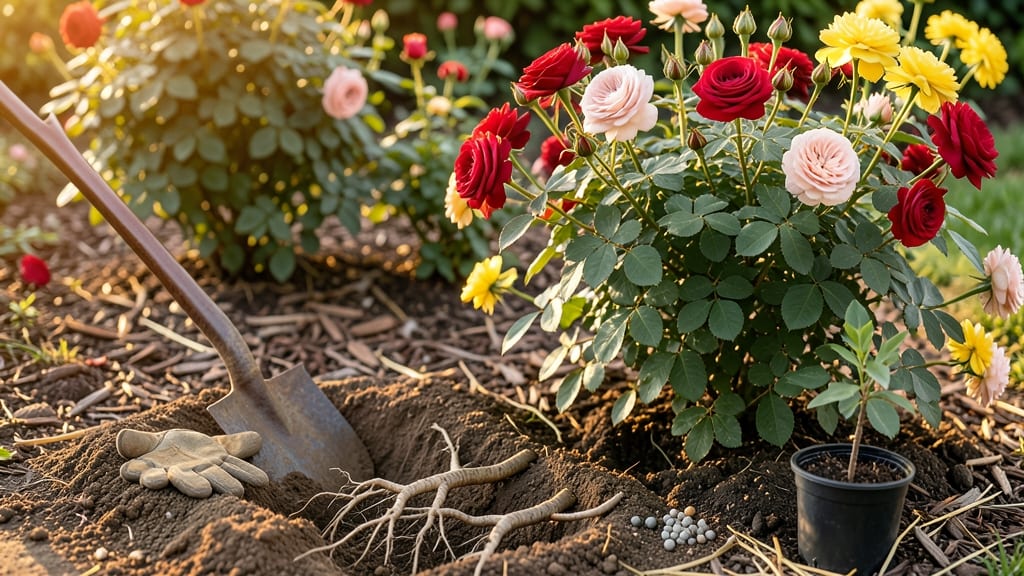
Planting rose bushes in Colorado requires timing that accounts for the state’s dramatic shifts from frost to heat, so aim for late April to early June after the last frost—when soil warms enough for roots to take hold.
Colorado’s unique climate—from high-altitude chill to sudden spring warmth—can make planting roses a high-stakes gamble. Get the timing wrong, and your bushes may struggle to establish roots before winter’s early freeze. But master these zone-specific rules, and you’ll unlock lush blooms year after year.
Whether you’re in Denver’s USDA Zone 5b or Colorado Springs’ Zone 6a, the key is planting after the last frost—typically mid-April to early May—when the ground thaws and stays warm enough for 60+ days of growth before winter.
Below, I’ll break down the best months for bareroot vs. potted roses, how to prep soil for Colorado’s rocky terrain, and pro tips to shield your 🌹 from late frosts or early snow. Ready to grow roses that thrive?
Colorado’s planting zones: when to plant roses by altitude and last frost dates
Colorado’s diverse elevations create a gardening puzzle—what’s perfect for Denver’s 5,280 ft may fail at Telluride’s 8,750 ft. The key? Understanding your USDA zone and last frost dates, which shift dramatically with altitude.
Most Colorado gardeners fall into zones 5-7, but even a 1,000-ft elevation gain can push your planting window weeks earlier or later.
For Denver and Boulder (zone 5b-6b), average last frosts arrive April 15-May 1, while Colorado Springs (zone 6a) sees them April 1-May 10.
Mountain regions like Fort Collins or Estes Park (zone 5a) can wait until May 15, and high-altitude areas above 7,500 ft may need to delay until June. These differences explain why your neighbor’s roses thrive while yours struggle—timing is everything.
To pinpoint your exact window, check local weather data from sources like the National Weather Service or Almanac. I’ve planted roses in Denver’s zone 5b and learned the hard way—waiting until May 10 for a late frost can mean wilted canes and delayed blooms.
For high-altitude gardens, consider cold-hardy varieties like ‘Dr. Huey’ or ‘The Fairy’, which tolerate colder soils better than tender hybrids.
Spring planting isn’t your only option—early fall (6-8 weeks before first frost) works too, especially for potted roses. In Denver, that means September 1-October 15, while mountain regions should aim for August 15-September 1.
The key is giving roots time to establish before winter dormancy. I’ve had success with fall-planted Knock Out roses in zone 6b, but they need extra mulch to insulate roots.
Don’t rely solely on calendar dates—Colorado’s microclimates can shift planting windows by weeks. A south-facing slope in Colorado Springs may warm up 10 days earlier than a north
Bareroot vs. potted roses: best planting months for each type in Colorado
Colorado gardeners face a critical choice when planting roses: bareroot or potted varieties. Each type demands different timing, soil prep, and care—especially in our unpredictable spring weather. Bareroot roses, sold without soil, are budget-friendly but must be planted while dormant in early spring.
Potted roses, however, offer flexibility and can thrive when planted year-round with adjustments.
Your decision hinges on local frost dates and rose type. In Denver (Zone 5b), bareroot roses should go in by mid-April, while potted roses can wait until late May if soil temps are stable.
Higher elevations (e.g., Colorado Springs, Zone 6a) shift these windows by weeks—always check your last frost date.
- ✅ Cheaper (30-50% less)
- ✅ Hardier (dormant roots)
- ✅ Early spring planting
- ❌ Limited window (March-April)
- ❌ Soil prep critical (amend heavily)
- ❌ No flexibility if frost delays
- ✅ Year-round planting
- ✅ Flexible timing (avoid frost)
- ✅ Established roots (faster growth)
- ❌ More expensive (2x cost)
- ❌ Root-bound risk if pot-bound
- ❌ Summer planting needs extra care
For bareroot roses, your soil prep is everything. Amend with compost and sand to improve drainage—Colorado’s clay-heavy soil can suffocate roots.
Plant shallowly (crown 2 inches below soil) and water deeply to encourage root spread. Mulch heavily (3-4 inches) to protect from late frosts, which can hit as late as May in mountain regions.
Potted roses, however, let you plant anytime, but avoid summer heat (June-August) unless you’re prepared for daily watering and shade. If planting in fall, do it 6-8 weeks before first frost (early September in Denver).
These roses need gentle root disturbance—loosen the root ball and prune circling roots before planting.
Colorado’s winterization rules differ too. Bareroot roses need extra mulch (6+ inches) and frost cloth in high-altitude areas. Potted roses should be buried or wrapped if temps drop below 10°F. Remember: late snow in May can still damage tender new growth—always monitor forecasts!
Pro tip: Knock Out roses and Dr. Huey varieties thrive in Colorado’s climate. For bareroot, choose disease-resistant types like ‘Earthsong’ or ‘Double Knock Out’. Potted roses? Opt for ‘Belinda’s Dream’ for vibrant blooms with minimal fuss.