
Pests
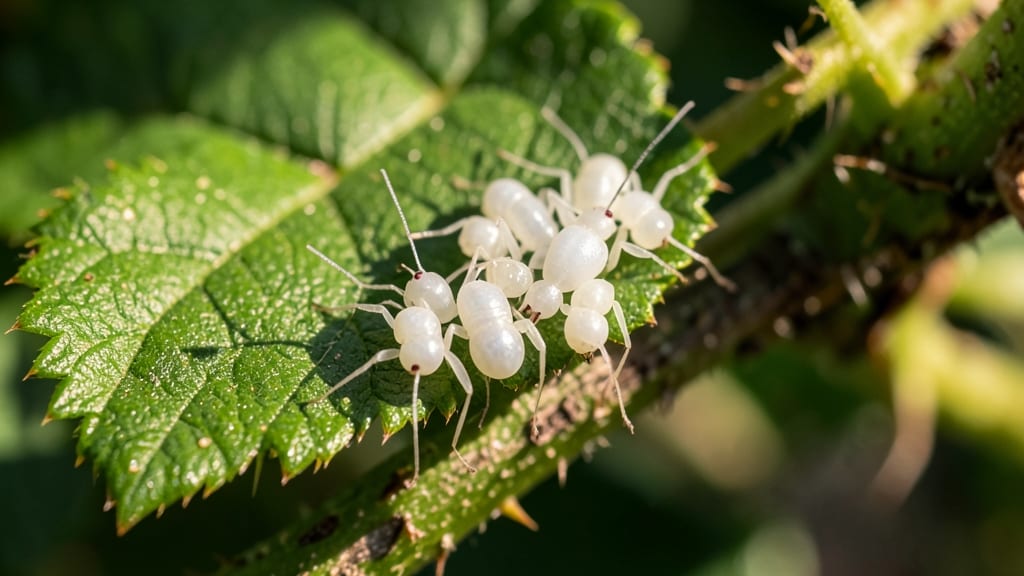
White bugs on your rose bush aren't just annoying—they're sucking the life out of your plants while you watch. 🌱 I've battled these tiny invaders more times than I can count, and I've learned the fastest way to identify them (aphids, whiteflies, or mealybugs) and stop their damage before your roses look like lace curtains.
The key is acting fast, because these pests multiply faster than weeds in spring.
Most of these white bugs thrive in crowded, shaded foliage where they hide from predators and pesticides. I've found that aphids cluster on new growth, whiteflies swarm under leaves, and mealybugs hide in leaf axils like cottony little ghosts.
The damage? Sticky residue, curled leaves, and roses that refuse to bloom—all signs your plants are under siege. The good news? You can turn this around with simple tools you likely already have.
Within 24 hours, you can crush a major infestation using a strong spray of water or homemade neem oil solution. For stubborn cases, insecticidal soap does the trick without harming bees or your roses.
I've seen roses bounce back in just one week of consistent treatment, with new growth pushing out stronger than ever. The secret is checking your plants weekly during warm months—early detection makes all the difference.
If your roses keep getting hit year after year, it's time to upgrade your defense. I now use reflective mulch around my bushes to confuse pests and plant garlic and chives nearby as natural repellents.
These small changes cut my white bug problems by 80%—and my roses have never looked healthier. Let's get those bushes back to their full glory.
Root Causes of Rose Pests
Understanding why your rose bush is hosting tiny white invaders starts with recognizing the environmental triggers and biological behaviors that attract them. These pests don’t just appear out of nowhere—they’re drawn to specific conditions that make your roses an all-you-can-eat buffet.
Let’s break down the science behind their presence and why your garden might be their favorite hangout.
---
When roses are nutrient-deficient, waterlogged, or overcrowded, their natural defenses weaken.
Pests like aphids, mealybugs, and whiteflies target stressed plants because: - Weakened sap: Stressed roses produce thinner, sweeter sap—like a neon "EAT ME" sign for pests. - Reduced predator presence: Healthy gardens attract ladybugs, lacewings, and parasitic wasps, which keep pests in check.
When roses struggle, these natural enemies vanish. - Moisture buildup: Overwatering or poor drainage creates a humid microclimate, perfect for mealybugs (which thrive in sticky, sugary environments) and scale insects (which hide under protective wax coatings).
Actionable fix: Prune for airflow, amend soil with compost, and water at the base (not overhead) to reduce humidity.
---
Many white pests—especially aphids and whiteflies—leave behind a sticky residue called honeydew.
This sugary substance: - Lures ants (which "farm" aphids for honeydew, protecting them from predators). - Encourages sooty mold, a black fungal growth that weakens the plant further. - Signals other pests that "this plant is already compromised—let’s move in!"
How it starts: A few aphids feed, produce honeydew → ants arrive → infestation spirals. Break the cycle by disrupting the ants’ access to the honeydew.
---
White pests love warmth and hiding spots. Your rose bush might be a magnet because: - Thick foliage provides shade and moisture retention, ideal for mealybugs (which bury themselves in cottony webs). - Greenhouse-like conditions (from plastic covers, dense canopies, or south-facing exposures) accelerate their reproduction.
Some species, like whiteflies, can develop from egg to adult in just 2 weeks in warm conditions. - New growth is tender and easier to penetrate, making young shoots a buffet for aphids.
Pro tip: 🌡️ Monitor temperature—pests peak in 75–85°F (24–29°C). Use reflective mulch or shade cloth to disrupt their comfort zone.
--- A garden lacking diversity becomes a pest paradise. Monocultures (like a single rose bush with no companion plants) offer: - No natural predators: Ladybugs, hoverflies, and parasitic wasps target specific pests.
Without a mix of plants, their food sources disappear. - No competing species: Ground covers like clover or thyme attract beneficial insects that patrol your roses. - No trap crops: Planting nasturtiums or marigolds nearby can lure pests away from your roses.
Science-backed fix: Introduce pollinator-friendly plants (like dill or fennel) to boost predator populations.
--- Poor soil health directly impacts pest resistance. Key culprits: - Excess nitrogen: Leads to soft, sugary new growth that aphids adore.
(Think of it like junk food for pests.) - Low potassium: Weakens cell walls, making roses easier to pierce. - Compacted or clay-heavy soil: Restricts root growth, stressing the plant and making it more vulnerable.
Test your soil: A simple pH test (6.0–7.0 is ideal for roses) and nutrient analysis can reveal deficiencies. Amend with kelp meal (for potassium) or composted manure to restore balance.
--- Pests don’t just appear—they colonize. If you’ve ignored early signs (like yellowing leaves or curled buds), you’ve given them a head start.
Many white pests: - Reproduce exponentially: A single female aphid can produce 70 offspring in a week. - Spread via wind or garden tools: Mealybugs hitchhike on pruners; whiteflies blow in on breezes. - Target weak entry points: Pruning wounds or damaged bark are open invitations for scale insects.
Prevention is cheaper than cure: Inspect new plants for hitchhikers, quarantine infested roses, and clean tools with rubbing alcohol between uses.
How to Fix Those Tiny Invaders
Now that you know what’s munching on your rose bush—whether it’s aphids, mealybugs, or whiteflies—it’s time to kick them out for good! The good news? Most of these pests respond well to a mix of natural remedies, manual removal, and smart prevention.
Below, we’ll break down the best solutions for each culprit, plus tips to keep your roses pest-free long-term.
---
Aphids are soft-bodied and easy to crush, but they multiply fast. Here’s how to tackle them:
#### 🔥 Manual Removal (Best for Small Infestations) - 👨🍳 Step 1: Fill a bucket with soapy water (1 tbsp mild dish soap + 1 gallon water). - 🥘 Step 2: Use a strong stream of water or a soft brush to dislodge aphids from leaves and stems. - 🔪 Step 3: Drop them into the soapy water—this kills them instantly. - ⏰ Frequency: Repeat every 2–3 days until gone.
#### 🌿 Natural Sprays (For Larger Outbreaks) - 💡 Neem Oil Spray: Mix 1 tbsp neem oil + 1 tsp mild soap + 1 quart water.
Spray directly on aphids (avoid blooms if bees are active). - 🌡️ Insecticidal Soap: Store-bought versions work fast—just follow label instructions. - ✨ Ladybugs & Lacewings: Release beneficial insects (available at garden centers) to eat aphids naturally.
#### 🎯 Prevention Tips - 🌱 Healthy Plants: Strong roses attract fewer pests—fertilize with balanced rose food and prune regularly. - 🌿 Companion Planting: Marigolds and garlic repel aphids when planted nearby.
---
Mealybugs hide in crevices, making them trickier to spot. Here’s how to evict them:
#### 🔥 Manual Scraping (Most Effective) - 👨🍳 Step 1: Dampen a cotton swab with rubbing alcohol (70% isopropyl). - 🥘 Step 2: Gently wipe away mealybugs from stems, buds, and undersides of leaves. - 🔪 Step 3: Dispose of the swab and repeat weekly until no signs remain.
#### 🌿 Systemic Solutions (For Stubborn Cases) - 💡 Horticultural Oil: Apply in early morning/late evening to avoid harming bees. Reapply every 5–7 days. - 🌡️ Beneficial Nematodes: Microscopic worms that kill mealybugs—mix with water and apply to soil.
#### 🎯 Prevention Tips - 🌱 Inspect New Plants: Quarantine new roses for 2 weeks before adding to your garden. - 🌿 Prune for Airflow: Overcrowded bushes trap humidity, inviting mealybugs.
---
Whiteflies are flying pests, so containment is key. Here’s how to outsmart them:
#### 🔥 Yellow Sticky Traps (Best First Line of Defense) - 👨🍳 Step 1: Hang yellow sticky traps (available at garden stores) near your rose bush. - 🥘 Step 2: Place them above the plant where whiteflies land. - ⏰ Frequency: Check traps daily and replace every 1–2 weeks.
#### 🌿 Spray Solutions (For Heavy Infestations) - 💡 Soap Spray: Mix 5 tbsp castile soap + 1 gallon water.
Spray directly on undersides of leaves (where they hide). - 🌡️ Neem Oil + Kaolin Clay: Combine 1 tbsp neem oil, 1 tbsp clay, and 1 quart water for a protective barrier.
#### 🎯 Prevention Tips - 🌱 Reflective Mulch: Use white plastic mulch around the base of the rose—whiteflies avoid bright surfaces. - 🌿 Regular Pruning: Remove yellowing leaves (a whitefly magnet) immediately.
---
No matter the pest, these habits keep roses thriving and pests away: - 💡 Water at the Base: Avoid wetting leaves (encourages fungal growth and attracts pests). - 🌡️ Healthy Soil: Test soil pH (roses prefer 6.0–6.5) and amend with compost. - 🎯 Rotate Treatments: Pests build resistance—alternate between neem oil, soap sprays, and manual methods.
--- Pro Tip: 🌟 Early action is key! The sooner you intervene, the easier it is to eliminate these white bugs before they take over. Keep an eye on your roses, and your garden will stay lush and pest-free. 🌹
Frequently asked questions
Why do white bugs appear more in summer?
White pests like aphids and mealybugs thrive in warm weather because they reproduce 2-3 times faster when temperatures hit 75-85°F (24-29°C). The extra humidity also creates ideal conditions for their sticky honeydew secretions. These pests love the summer buffet of tender new growth that roses produce during warm months.
Can I use vinegar spray to kill white bugs?
Yes, but with caution! Mix 1 tablespoon white vinegar + 1 quart water and spray directly on pests. However, avoid spraying when bees are active or during hot sun (can burn leaves). For best results, apply in early morning and reapply every 3-4 days until the infestation clears. It works best for soft-bodied pests like aphids.
How do I know if my white bugs are harmful or beneficial?
Look closely! Harmful white bugs (aphids, mealybugs, whiteflies) leave sticky residue, curled leaves, or visible damage. Beneficial ones like lacewings or hoverfly larvae have long legs and help control pests. If you see tiny alligators (lacewing larvae) munching on other bugs, they're your allies—leave them be!
Will chemical pesticides really kill my rose bush?
Most broad-spectrum chemical pesticides won't kill roses directly, but they can harm beneficial insects that protect your plants. For severe infestations, use targeted systemic pesticides (like imidacloprid) sparingly and follow label instructions precisely. Always try organic methods first—neem oil and insecticidal soap are safer alternatives for most cases.
How often should I check my roses for white bugs?
Inspect your roses weekly during growing season (spring-fall) and bi-weekly in winter. Early detection is key—catching pests before they spread means less damage to your plants. Focus on new growth, leaf undersides, and leaf axils where pests love to hide. A quick 5-minute check can save your roses from major infestations!