
Shrubs
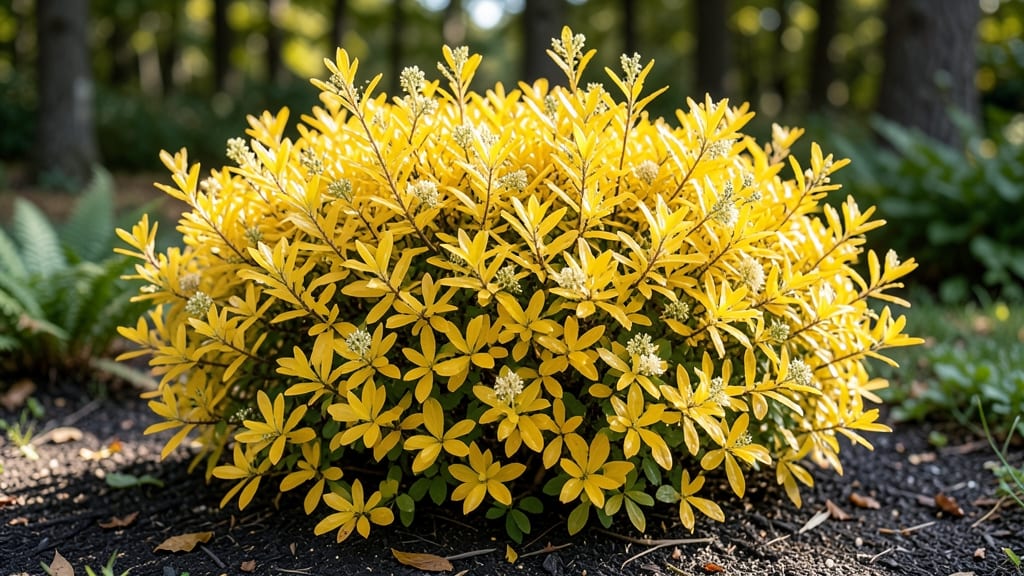
Pruning your yellow barberry bush transforms it from a scraggly mess into a year-round architectural star. 🌿 The secret lies in timing—late winter or early spring when the plant is dormant but about to burst with new growth.
I’ve pruned mine for five seasons now, and the difference between before and after is nothing short of dramatic: dense foliage, vibrant yellow stems, and berries that last from summer into winter.
Start by removing any dead, diseased, or crossing branches first—they’re the eyesore killers. Then shape the bush by cutting back about one-third of the oldest stems to encourage fresh growth. Barberry thrives on this kind of attention, and the more you prune, the bushier it gets.
My neighbors’ unpruned bushes look like tangled weeds compared to mine, which stays compact and full.
You’ll see the payoff in just a few weeks: new shoots emerge with that signature golden hue, and the berries turn from green to deep red. The plant’s natural resilience means it handles pruning like a champ, even if you’re not perfect with the shears.
Plus, the wildlife benefits are a bonus—birds adore the berries, and bees love the early spring flowers.
Works for both formal hedges and natural landscapes, whether you’re trimming a single bush or shaping a whole border. The key is consistency—prune at the same time each year, and you’ll have a bush that’s the envy of the neighborhood. Ready to give it a try?
Root Causes Behind Leaf Changes
Understanding why your barberry shrubs develop unexpected yellowing, browning, or poor growth starts with identifying the hidden triggers. These woody plants are resilient, but stress—whether environmental, biological, or cultural—can disrupt their vibrant foliage.
Below, we break down the key culprits and their scientific mechanisms, so you can diagnose and act with precision.
---
Barberries thrive in USDA Zones 4–8, but extreme weather pushes them beyond their comfort zone. Here’s how climate factors turn leaves yellow or cause dieback:
- Heat Stress (🔥) - Mechanism: Prolonged temperatures above 90°F (32°C) disrupt chlorophyll production, leading to bleached or yellowed leaves.
High heat also closes stomata (leaf pores), reducing photosynthesis and nutrient uptake. - Actionable Signs: - Leaves curl upward or scorch at edges. - New growth stops abruptly mid-summer. - Fix: Provide afternoon shade (use shade cloth) and deep watering (1–1.5 inches per week).
Mulch with 3–4 inches of organic matter (e.g., wood chips) to insulate roots.
- Cold Damage (❄️) - Mechanism: Temperatures below 10°F (-12°C) for extended periods can freeze cell walls, causing brown, mushy leaves or blackened stems.
Evergreen varieties (like Berberis thunbergii) are especially vulnerable. - Actionable Signs: - Leaves turn brown and crispy overnight. - New shoots blacken in early spring. - Fix: Plant in sheltered locations (e.g., near walls or fences) and mulch heavily in fall. For young plants, use burlap wraps in winter.
- Drought or Overwatering (💧) - Mechanism: Underwatering causes wilting and yellowing (chlorosis) as roots struggle to absorb nutrients. Overwatering leads to root rot (Phytophthora fungi), starving leaves of oxygen and turning them yellow-green or black. - Actionable Signs: - Soil pulls away from pot edges (drought) or feels soggy (overwatering). - Leaves drop prematurely or develop mushy stems. - Fix: - Drought: Water deeply 2–3x/week (check soil 2 inches down—it should be dry). - Overwatering: Improve drainage (raise beds, add perlite) and space waterings (wait until top inch of soil dries).
---
Barberries are light feeders, but poor soil can trigger yellowing between veins (interveinal chlorosis) or stunted growth. Here’s how to decode the symptoms:
| Symptom | Likely Deficiency | Cause | Solution | |---------------------------|-----------------------|------------------------------------|-----------------------------------------------| | Yellow leaves (new growth) | Nitrogen (N) | Fast soil depletion or poor organic matter | Apply balanced fertilizer (10-10-10) in spring.
Add compost (2–3 inches). | | Yellow between veins | Iron (Fe) or Magnesium (Mg) | Alkaline soil (pH >7.0) locks out Fe/Mg | Lower pH with sulfur or peat moss.
Use chelated iron (e.g., Ironite). | | Purple stems/leaves | Phosphorus (P) | Cold soil or over-fertilized N | Apply bone meal or rock phosphate. | | Weak, spindly growth | Potassium (K) | Excessive N or drought stress | Use potassium sulfate or wood ash. |
💡 Pro Tip: Test your soil ($20–$30 kits from garden centers) before guessing. Barberries prefer slightly acidic to neutral soil (pH 6.0–7.5).
---
Not all yellowing is environmental—pests and pathogens can hijack your barberry’s health. Spot these sneaky invaders early:
- Spider Mites (🕷️) - Mechanism: These tiny arachnids suck cell sap, causing stippled yellowing (like freckles) and fine webbing on undersides.
Severe cases lead to leaf drop. - Fix: - Blast off mites with a strong hose (disrupts webs). - Spray neem oil (1 tbsp/gal water) every 5–7 days for 3 weeks.
- Scale Insects (🐛) - Mechanism: These sap-sucking pests ( armored or soft scales) excrete honeydew, fostering sooty mold (black fungus).
Infested leaves yellow and curl. - Fix: - Scrape off visible scales with a soft brush. - Apply horticultural oil (dormant season) or systemic insecticide (e.g., imidacloprid).
- Fungal Leaf Spot (🍄) - Mechanism: Fungi like Septoria or Cercospora thrive in wet, humid conditions, creating yellow spots with dark borders that expand.
Leaves may drop prematurely. - Fix: - Remove infected leaves and sterilize pruners (70% alcohol). - Improve air circulation (prune for openness). - Spray copper fungicide (e.g., Bordeaux mix) preventively in spring.
--- Barberries rely on structure—poor pruning can stress them into yellowing or sparse regrowth. Avoid these common errors:
- Pruning at the Wrong Time (⏰) - Mistake: Cutting late summer to fall (when new growth is tender) exposes plants to disease and winter damage. - Fix: Prune late winter/early spring (just before buds swell) or right after flowering.
- Cutting Too Aggressively (✂️) - Mistake: Shearing >1/3 of the plant in one go starves roots of energy, causing yellowing and dieback. - Fix: Remove only dead/diseased wood or selective thinning. For shaping, use hand pruners (not shears) for a natural look.
- Ignoring Dead Wood (🪦) - Mistake: Leaving blackened, brittle stems (from winter kill or disease) traps pests and blocks airflow. - Fix: Prune out dead wood to the healthiest bud or branch collar. Sterilize tools between cuts.
--- Barberries can absorb harmful substances through leaves or roots, leading to unexplained yellowing:
- Air Pollution (🚗💨) - Culprits: Sulfur dioxide (industrial areas) or ozone (urban smog) damage leaf tissue, causing yellowing along veins or bronzing. - Fix: If possible, relocate plants away from roads or factories. Avoid fertilizing heavily—stressed leaves absorb more pollutants.
- Herbicide Drift (🌾) - Mechanism: Glyphosate (Roundup) or 2,4-D (weed killers) can bleach leaves yellow if sprayed nearby, even at low doses. - Fix: Test soil for residues (home kits available). If contaminated, flush soil with chelating agents (e.g., EDTA) or replace topsoil.
- Salt Buildup (🧂) - Cause: Overuse of de-icing salt (winter)
Revitalize Your Shrub’s Shape
Transforming your yellow barberry bush into a lush, structured beauty starts with targeted solutions. Whether it’s overgrowth, leggy branches, or uneven shape, these fixes will restore its natural elegance while keeping it healthy year-round. Below, we map common issues to step-by-step solutions—plus prevention tips to avoid future headaches.
---
Cause: Neglected pruning leads to dense, unruly foliage that blocks sunlight and air circulation.
How to Fix It: 1. 🔪 Trim in Layers Start by removing 1/3 of the oldest, thickest stems at the base using clean, sharp pruners or a hand saw for thicker branches. Cut at a 45-degree angle just above a bud or lateral branch to encourage new growth.
2. 🌱 Thin Out the Center Focus on sparse areas—remove branches growing inward to improve airflow. Aim for an open, vase-like shape to prevent disease.
3. ⏰ Time It Right Best time to prune: Late winter or early spring (before new growth starts). Avoid heavy pruning in fall, as it can stimulate tender shoots vulnerable to frost.
💡 Pro Tip: - Mark your cuts with a piece of tape if unsure—step back and visualize the shape before snipping!
---
Cause: Poor light exposure or improper pruning leaves lower branches bare, while top growth stretches too thin.
How to Fix It: 1. 🌞 Prune for Light Penetration Remove vertical "water sprouts" (thin, upward-growing branches) that steal energy from the main structure. Cut them back to a side branch or bud.
2. 👨🍳 Rebalance the Canopy - Top-heavy? Trim 2–3 inches from the tips of the tallest branches to encourage bushier growth. - Bottom-heavy? Prune older, woody stems at the base to redirect energy to lower branches.
3. 🌱 Fertilize for Recovery After pruning, apply a balanced, slow-release fertilizer (10-10-10) to help the shrub recover. Avoid high-nitrogen fertilizers—they promote leafy growth over structure.
🌡️ Warning: - Never remove more than 1/3 of the shrub’s foliage in one session—this stresses the plant!
---
Cause: Wind, uneven sunlight, or haphazard pruning creates an asymmetrical look.
How to Fix It: 1. 📏 Assess the Structure Step back and identify the dominant side. If one side is denser, prune slightly more from that side to even it out.
2. 🔄 Prune Opposite Branches For every branch you trim on the left, mirror the cut on the right to maintain balance. Use the "thirds rule"—divide the shrub into thirds (top, middle, bottom) and prune proportionally.
3. 🌿 Shape Gradually Avoid drastic changes—prune in stages over 2–3 years for a natural, harmonious look.
✨ Quick Fix: - Use twine or string to outline your desired shape before cutting. This acts as a visual guide!
---
1. 📅 Schedule Regular Maintenance - Light pruning: Twice a year (spring and summer). - Structural pruning: Every 2–3 years to maintain shape.
2. 🌱 Mulch and Water Wisely - Mulch (2–3 inches of organic material) retains moisture and regulates soil temperature. - Water deeply 1–2 times per week (adjust for climate) to encourage strong root growth.
3. 🚫 Avoid Common Mistakes - ❌ Topping the shrub (cutting flat across the top)—this leads to weak, stubby regrowth. - ❌ Pruning in fall—new growth may not harden off before winter. - ❌ Using dull tools—ragged cuts invite disease.
4. 🌿 Monitor for Pests/Disease - Yellow leaves? Check for spider mites or powdery mildew. Treat with neem oil or fungicide if needed. - Bare patches? Test soil pH—barberry thrives in slightly acidic to neutral soil (6.0–7.0).
--- Final Thought: A well-pruned yellow barberry bush isn’t just a border accent—it’s a year-round statement piece. With these fixes, you’ll enjoy dense foliage, vibrant color, and a shape that turns heads (in the best way!). 🌟
Frequently asked questions
What's the best way to prune my yellow barberry bush for maximum winter color?
Focus on removing old, woody stems at the base during late winter pruning—this encourages vibrant new growth with those signature yellow stems. Cut back one-third of the oldest branches to 2-3 inches above ground level, while leaving younger stems intact for next year's color. The key is creating an open center to improve airflow and prevent disease.
How do I prevent my yellow barberry from growing too tall or leggy?
Regular light pruning is essential—trim 2-3 inches from the tips of the tallest branches in early summer to encourage bushier growth. For severe cases, cut back one-third of the top growth in late winter, but never remove more than one-third of the foliage at once. This maintains a compact shape while preserving those golden stems.
Can I grow yellow barberry in full shade?
While yellow barberry can tolerate partial shade, it needs at least 4-6 hours of direct sunlight daily to maintain vibrant foliage and berries. In full shade, expect paler leaves and reduced flowering. If your site is shady, choose a location with morning sun or dappled light for best results.
Why are my yellow barberry leaves turning yellow?
Yellow leaves typically indicate overwatering, nutrient deficiency, or fungal issues. Check soil moisture first—barberry prefers well-draining soil. If the yellowing is between veins, it may be iron deficiency (common in alkaline soils). Test your soil pH and amend with chelated iron if needed. For fungal issues, remove affected leaves and apply copper fungicide.
How cold-hardy is yellow barberry compared to other shrubs?
Yellow barberry thrives in USDA Zones 4-8, making it one of the hardiest ornamental shrubs. It can handle temperatures down to -20°F (-29°C) once established, though young plants may need winter protection in Zone 4. Unlike many shrubs, it maintains its winter interest with colorful stems and berries.