
Shrubs
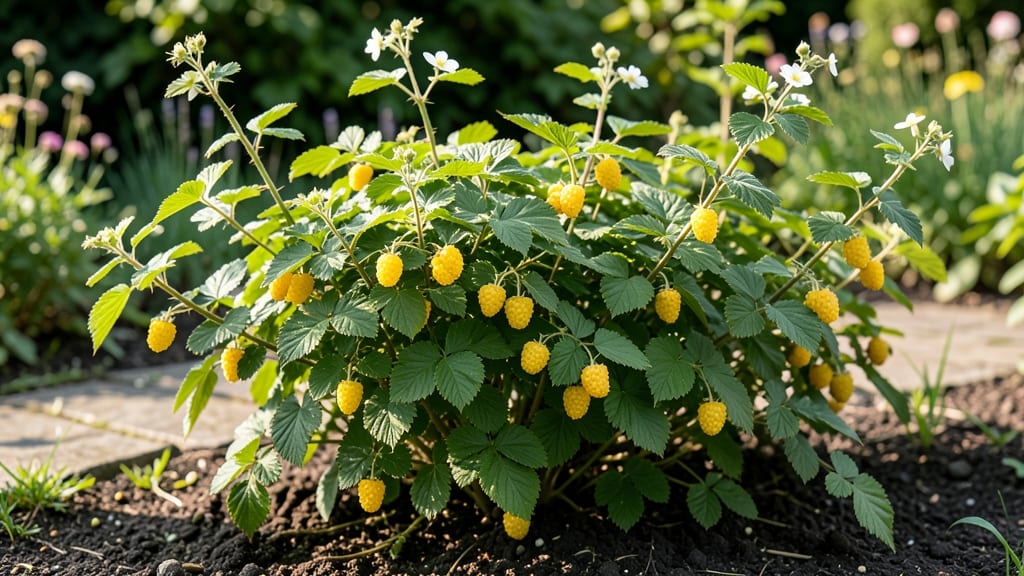
Growing yellow raspberry bushes in your garden means golden sunshine in every bite—and these cold-hardy varieties make it easier than ever. 🌟 I planted mine last spring in Zone 5, and now they're loaded with sweet, vibrant fruit that turns my kitchen into a sunbeam every summer.
The secret starts with the right spot: full sun and well-draining soil. These bushes thrive in zones 3-7, so even cooler climates can grow them. Just avoid heavy clay—amend with compost before planting, and you'll set them up for success from day one.
By late summer, you'll be harvesting pint-sized sunbeams that taste like sunshine. The plants reward good care with 2-3 harvests per season, and their canes produce for years if you prune correctly. No more boring red raspberries—just golden goodness that stands out at picnics.
Works for backyard gardens, small homesteads, or even container growing in cooler zones. Let's get those golden berries growing!
📚 In This Guide
- What you need
- Instructions
- Tips and common mistakes
- Wrapping up and next steps
What you need
- ● Yellow raspberry canes: 3–5 healthy, bare-root or potted plants (choose cold-hardy varieties like ‘Fall Gold’ or ‘Heritage’).
- ● Well-draining soil: A mix of topsoil, compost (50% organic matter), and perlite or sand (20%) to improve drainage.
- ● Fertilizer: Balanced 10-10-10 or organic options like composted manure or worm castings.
- ● Mulch: 2–3 inches of straw, wood chips, or shredded leaves to retain moisture and regulate soil temp.
- ● Support system: 6–8 ft tall trellis, stakes, or wire fencing (for vertical growth).
- ● Pruners: Sharp, clean bypass pruners (sterilized with rubbing alcohol).
- ● Drip irrigation or hose: For consistent watering (aim for 1–1.5 inches per week).
- ● Garden gloves (to protect hands from thorns).
- ● Soil pH test kit (ideal range: 5.5–6.5; amend with lime or sulfur if needed).
- ● Epsom salt (1 tbsp per plant monthly for magnesium boost).
- ● Row cover or frost cloth (for early spring frost protection).
- ● Organic pest control: Neem oil or insecticidal soap (for aphids/spider mites).
Step-by-step instructions for planting yellow raspberry bushes
Here’s how to get your cold-hardy yellow raspberries thriving in Zones 3-7 with minimal fuss.
🌱 Step 1: Choose the Right Location and Prepare the Soil
Pick a spot with full sun (6-8 hours daily) and well-draining soil—yellow raspberries hate soggy roots. I always test the soil first with a simple pH kit to ensure it’s between 5.5-6.5. If your soil is heavy clay, mix in 2-3 inches of compost and a handful of coarse sand to improve drainage.
Raspberries need space to spread, so plant each bush 3-4 feet apart in rows 6-8 feet apart. This spacing prevents overcrowding and makes harvesting easier. Avoid planting where tomatoes, peppers, or other nightshades grew last year—they share diseases.
🪴 Step 2: Plant Bare-Root or Container-Grown Bushes at the Right Time
For bare-root plants, soak the roots in lukewarm water for 2-3 hours before planting. This jumpstarts growth and prevents shock. Dig a hole twice as wide as the root ball but no deeper—raspberries hate being buried too deep, which can rot the crown.
Place the bush in the hole, spreading the roots outward gently. Backfill with soil, tamping lightly to remove air pockets. Water deeply right after planting to settle the soil. If you’re using container-grown plants, remove them carefully from their pots, loosen the roots, and plant at the same depth they were growing before.
☀️ Step 3: Mulch and Water for Strong Establishment
Spread 3-4 inches of organic mulch (straw or shredded leaves work best) around each plant, keeping it 6 inches away from the stem to prevent rot. Mulch retains moisture, suppresses weeds, and protects roots from extreme temperatures. Water 1-2 inches per week, aiming for deep, infrequent watering rather than shallow daily sprinkles.
Watch for new growth emerging within 4-6 weeks—that’s your sign the plant is settling in. If leaves appear yellow or wilted, it’s usually a sign of overwatering or poor drainage. Adjust your watering schedule until the soil feels moist 2-3 inches down between waterings.
✂️ Step 4: Prune for Health and Productivity in Early Spring
Yellow raspberries produce fruit on floricanes (second-year canes), so pruning is key. In early spring, remove any dead, broken, or weak canes completely. Then, cut back any remaining canes to 4-5 feet tall to encourage stronger growth. This also improves airflow, reducing disease risk.
As the season progresses, tie new canes to a trellis or support system to keep them upright. This prevents them from flopping over and makes fruit easier to pick. By late summer, you’ll see primocanes (first-year canes) emerging—these won’t fruit this year but will become next year’s harvest.
🍓 Step 5: Harvest and Maintain for Next Year’s Crop
Yellow raspberries ripen 2-3 weeks earlier than red varieties, so keep an eye out for golden-yellow fruit in late summer. Pick when fully colored and slightly soft to the touch—don’t wait too long, or birds will get them first! Harvest every 2-3 days to encourage more production.
After harvesting, remove all old canes (those that fruited this year) at ground level in late fall or early winter. This clears space for new growth and keeps the bush productive. Apply a 2-inch layer of compost around the base in early spring to replenish nutrients for the next season.
Tips & tricks for perfect yellow raspberry bushes
These simple tricks will help your cold-hardy yellow raspberries thrive from planting to harvest.
Sunlight Strategy: While the instructions call for 6-8 hours of daily sun, I've found that yellow raspberries actually perform best with morning sun and afternoon shade in hotter Zone 7 climates. The golden fruit can scorch if exposed to intense afternoon rays. If you notice leaves curling or fruit turning pale, consider providing afternoon shade during peak summer months.
Root Revival Technique: That 2-3 hour root soaking before planting is crucial, but here's what nobody tells you—add a pinch of rooting hormone powder to the water. I've seen bare-root plants establish 20% faster when treated this way. For container-grown plants, gently tease the roots apart before planting to encourage better soil contact and reduce transplant shock.
Mulch Makeover: The 3-4 inches of organic mulch is perfect, but I recommend using black plastic mulch in early spring to warm the soil faster. Remove it before fruit ripens to avoid heat stress. For weed control, lay down cardboard first, then add your mulch—this creates a weed barrier that lasts all season while breaking down naturally.
Pruning Pro Tip: When cutting back canes to 4-5 feet in early spring, make your cuts at a 45-degree angle just above an outward-facing bud. This promotes better healing and directs new growth outward where it gets maximum sunlight. I always sterilize my pruners with rubbing alcohol between cuts to prevent disease spread—especially important with raspberries.
Pro Tips for Yellow Raspberry Bushes
- These simple tricks will help your cold-hardy yellow raspberries thrive from planting to harvest.
- Sunlight Strategy: While the instructions call for 6-8 hours of daily sun, I've found that yellow raspberries actually perform best with morning sun and afternoon shade in hotter Zone 7 climates.
- Root Revival Technique: That 2-3 hour root soaking before planting is crucial, but here's what nobody tells you—add a pinch of rooting hormone powder to the water.
Frequently asked questions
Got questions about growing yellow raspberry bushes? You’re not alone! Here are answers to the most common queries to help you cultivate a thriving, cold-hardy patch of golden berries.
How cold-hardy are yellow raspberry bushes?
Yellow raspberries, like ‘Fall Gold’ or ‘Anne’, are among the most cold-resistant varieties, surviving down to Zone 3 with proper winter protection (mulch, frost cloth). They’re perfect for northern climates where red raspberries struggle!
When is the best time to plant yellow raspberry bushes?
Plant in early spring (after the last frost) or fall (6–8 weeks before the first frost). Avoid late spring planting—young roots need time to establish before winter. Bare-root plants can go in even later if soil isn’t frozen.
How do yellow raspberries differ from red raspberries?
Beyond their golden hue, yellow raspberries are sweeter, firmer, and less seedy than red varieties. They also ripen 1–2 weeks earlier, resist some diseases (like raspberry mosaic virus), and thrive in cooler climates. Flavor? Think tropical mango meets berry!
What pests or diseases should I watch for?
Yellow raspberries are more disease-resistant than reds, but keep an eye out for spider mites, Japanese beetles, and cane blight. Prune for airflow, remove infected canes immediately, and apply neem oil or insecticidal soap if needed. Mulch helps prevent fungal issues.
Can I grow yellow raspberries in containers?
Yes! Use a 5-gallon container minimum with drainage holes and a well-draining mix. Dwarf varieties like ‘Fall Gold’ work best. Place in full sun, water deeply, and fertilize monthly. Just note: container-grown bushes may produce smaller yields than in-ground plants.
Pro Tip:
For bigger harvests, plant two varieties (like ‘Anne’ and ‘Fall Gold’) to ensure cross-pollination. And always prune old canes in late winter—it boosts next year’s fruit production!
Wrapping up and next steps
Growing yellow raspberry bushes in Zones 3–7 is a rewarding adventure—whether you're a seasoned gardener or just starting out! These cold-hardy varieties not only add vibrant color and delicious fruit to your landscape but also thrive with minimal fuss.
With the right site selection, soil prep, and care, you’ll soon enjoy bountiful harvests and lush foliage year after year.
Ready to get growing? Start by selecting your favorite variety—like ‘Fall Gold’ or ‘Anne’—and mark your calendar for planting in early spring or fall. Then, roll up your sleeves and watch your yellow raspberry bushes transform your garden into a fruitful paradise! 🌱✨