
Shrubs
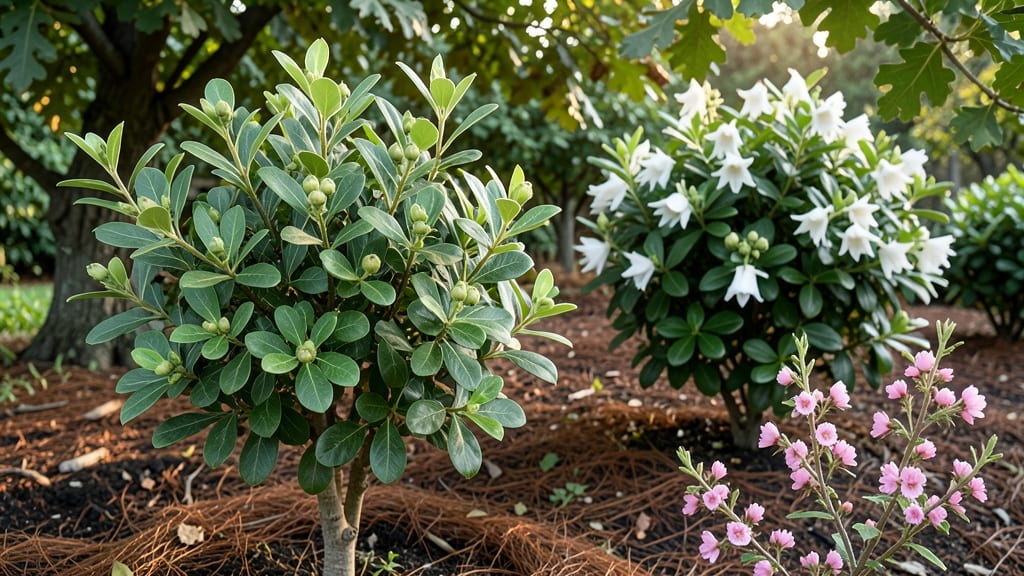
A blueberry bush not flowering is one of the most frustrating garden setbacks—especially when you’ve poured time and care into nurturing it 🫐.
Picture this: lush green leaves, but zero blooms, and no berries in sight. The good news? Most of the time, it’s not a death sentence—just a fixable issue.
Whether it’s soil pH, pruning mistakes, or hidden nutrient needs, we’ll break down the top 5 reasons your bush is skipping the flower stage and how to get it back on track.
Blueberries thrive on specific conditions—think acidic soil, the right sunlight, and precise pruning. Miss one piece, and your bush throws all its energy into foliage instead of fruit. Below, I’ll walk you through step-by-step troubleshooting so you can diagnose the problem and revive those blooms next season.
From adjusting your fertilizer schedule to mastering the art of pruning, these solutions will turn your leafy shrub into a berry-producing powerhouse. Let’s get those flowers back!
5 Common reasons your blueberry bush isn’t flowering (and how to fix them)
If your blueberry bush is thriving with lush green leaves but refusing to produce those coveted spring blooms, don’t toss in the trowel just yet. The issue likely stems from one of five common problems—each with a straightforward fix.
Blueberries are finicky, but understanding their environmental needs can turn your leafy shrub into a berry-producing powerhouse next season.
First, recognize that blueberry flowering depends on precise conditions: acidic soil, proper sunlight, and the right balance of nutrients. Even mature bushes can skip flowering if one of these factors is off. Let’s diagnose the most likely culprits and get your bush back on track for abundant blooms.
Blueberries need 6-8+ hours of direct sun daily. Shade from trees or structures can stunt blooms.
Ideal pH is 4.5–5.5. Alkaline soil (above 6.0) locks out essential nutrients like iron and zinc.
Cutting flower buds (formed in late summer) during late winter pruning removes next year’s blooms.
Lack of phosphorus or potassium delays flowering. Test soil and amend with acid-loving fertilizer.
Blueberries need winter chill hours (300–900, depending on variety). Without cold exposure, buds may fail to set.
Let’s tackle these issues one by one. Start with sunlight exposure: if your bush is tucked under a tree or shaded by a fence, relocate it to a sunnier spot immediately. Blueberries are sun worshippers, and even partial shade can reduce flowering by up to 50%.
Move potted bushes to a south-facing window or use reflective surfaces to bounce light onto the plant.
Next, test your soil pH—this is the #1 reason blueberries refuse to bloom. Grab a soil test kit (available at garden centers for ~$10) and check the acidity. If your pH reads above 6.0, your bush is starving for nutrients.
Amend the soil with sulfur or peat moss to lower the pH gradually. Aim for 4.5–5.5, the sweet spot for blueberries.
Pruning mistakes are another silent killer of blooms. Many gardeners prune too aggressively in late winter, unaware that flower buds form in late summer on the previous year’s wood.
Instead, prune in early spring after the last frost, focusing on removing dead or crossing branches while preserving next year’s potential blooms. Think of it as sculpting—not hacking.
If your bush looks yellow or stunted, it’s likely deficient in key nutrients. Blueberries thrive with a balanced 10-10-10 fertilizer (NPK ratio), but they also need micronutrients like magnesium and zinc.
Apply a citric acid fertilizer in early spring and again after harvest. Avoid over-fertilizing with nitrogen—this promotes leaves over flowers.
Finally, consider your climate zone. Blueberries need winter chill to trigger flowering. If you’re in a warm region (like Zone 8+), choose southern highbush varieties that require fewer chill hours.
For colder zones, ensure your bush gets enough cold exposure—mulch heavily in winter to protect roots but allow airflow to prevent rot.
With these fixes in place, your blueberry bush should burst into pink and white blooms next spring, setting the stage for a bountiful harvest. Start with one adjustment—like moving the bush to sunlight or testing soil pH—and monitor progress.
Patience is key; blueberries can take 2–3 years to fully mature after planting, but once they’re happy, they’ll reward you with years of berries.
How to adjust soil pH and fertilizer for blueberry flowering (step-by-step guide)
Blueberries thrive only in acidic soil with a pH between 4.5–5.5. If your bush isn’t flowering, soil pH is likely the culprit. Test your soil first—most garden centers sell affordable pH test kits or strips. I recommend digital meters for accuracy, as they provide precise readings in seconds.
If your soil pH is too high (alkaline), blueberries can’t absorb essential nutrients like iron and phosphorus, which are critical for flowering. To lower pH, mix in sulfur or peat moss into the top 6–12 inches of soil.
For a quick fix, use elemental sulfur at a rate of 2–4 pounds per 100 square feet, worked into the soil 2–3 months before planting or fertilizing.
Organic vs. synthetic fertilizers can make a huge difference. Organic options like composted pine bark or cottonseed meal slowly release nutrients and improve soil acidity over time. Synthetic fertilizers like ammonium sulfate provide fast-acting nitrogen but require careful application to avoid over-acidifying the soil. I prefer a balanced approach—organic for long-term health and synthetic for immediate blooming boosts.
| Solution | Best For | Application Rate | Timing |
|---|---|---|---|
| Elemental Sulfur | Lowering pH quickly | 2–4 lbs per 100 sq ft | 2–3 months before planting |
| Peat Moss | Long-term acidity | 2–3 inches mixed into soil | Spring or fall |
| Ammonium Sulfate | Fast nitrogen + acidity | 1 tbsp per plant | Early spring |
| Cottonseed Meal | Slow-release organic feed | 1 cup per plant | Late winter or early spring |
Timing your fertilizer applications is just as critical as the type. Start with a light feeding in early spring (March–April) to stimulate new growth. Use a 10-10-10 or 7-7-7 fertilizer with a low phosphorus content (first number) to avoid excessive leafy growth at the expense of flowers.
Apply a second dose in late spring (May–June) as buds form, then a final feeding in early summer (July) to support fruiting.
After flowering, skip fertilizers until next spring. Over-fertilizing in late summer can encourage tender new growth that won’t survive winter. Instead, focus on mulching with pine needles or wood chips to maintain soil acidity and moisture. I’ve seen bushes double their blooms by following this seasonal schedule religiously.
For container-grown blueberries, adjust your approach slightly. Use acid-loving plant fertilizer every 4–6 weeks during the growing season and repot every 2–3 years with fresh acidic potting mix. Containers dry out faster, so monitor soil moisture closely—consistent hydration is key to preventing stress that stifles flowering.