
Planting
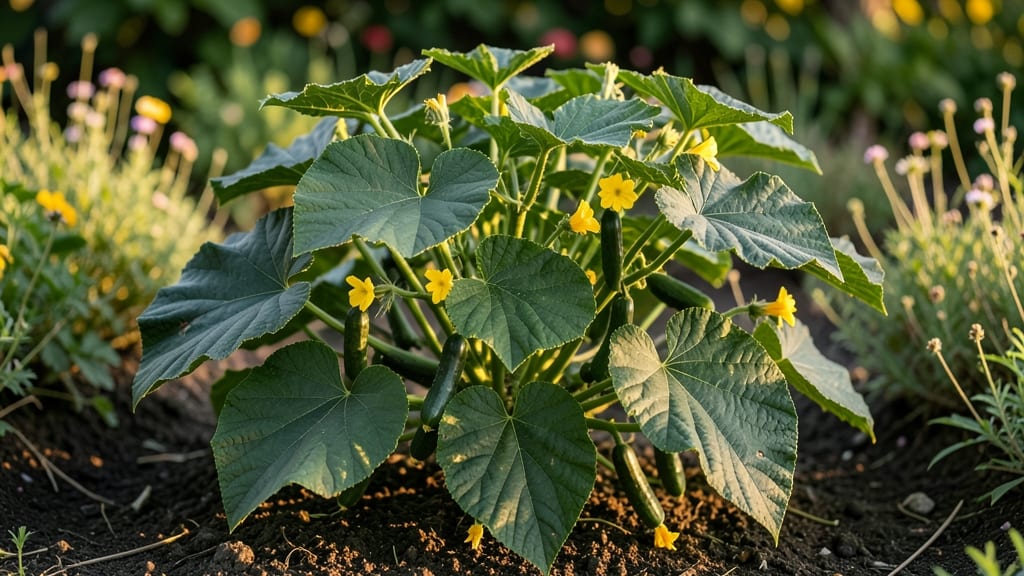
Growing a burpless bush hybrid cucumber feels like cheating—no bitter surprises, no sprawling vines, and a harvest that fits even in tiny spaces. 🌿 I planted mine in a 5-gallon container last summer, and by mid-July, I was snapping off crisp cucumbers without the usual fuss of trellising or bitter aftertastes.
This variety proves you don’t need a backyard to grow your own.
The secret lies in its compact bush habit, which eliminates the need for sprawling rows or heavy trellises. You’ll need well-draining soil rich in compost, 6+ hours of sunlight daily, and consistent watering—about 1 inch per week—to keep those vines producing.
Unlike traditional cucumbers, these stay manageable even in pots, making them perfect for balconies, patios, or small gardens.
By late summer, you’ll be harvesting sweet, seedless cucumbers that stay crisp longer than store-bought varieties. The bush form also means fewer pests and diseases, so you spend less time spraying and more time enjoying the harvest.
Plus, saving seeds is a breeze—just let a few cucumbers go to seed, dry them, and store for next year.
If you’ve struggled with bitter cucumbers or space constraints before, this variety changes the game. It’s the ideal choice for beginners, urban gardeners, or anyone tired of dealing with sprawling vines. Let’s get those seeds in the ground!
📚 In This Guide
- What you need
- Instructions
- Tips and common mistakes
- Wrapping up and next steps
What you need
- ● Burpless Bush Hybrid Cucumber Seeds: 3–5 seeds (or 1–2 plants if using transplants). Look for varieties like 'Bush Champion' or 'Sweet Success'.
- ● Containers or Garden Space: Containers: 5-gallon pots or larger (at least 12–18 inches deep) with drainage holes. 3–5 pots for multiple plants.
- ● Garden Beds: Well-draining soil in a sunny spot (6+ hours of sunlight daily). Space plants 2–3 feet apart if not container-grown.
- ● High-Quality Potting Mix: 1–2 bags of sterile, well-draining mix (e.g., 50% peat/coir + 50% perlite/sand). Avoid garden soil to prevent disease.
- ● Fertilizer: Starting: Balanced liquid fertilizer (10-10-10) or compost tea.
- ● Growth: Low-nitrogen, high-potassium fertilizer (e.g., 5-10-10) once vines appear.
- ● Watering Can or Hose: With a gentle spray nozzle for even moisture.
- ● Trellis or Cage: Small tomato cages or stakes (1–2 per plant) to support vines if they outgrow their bushy habit.
- ● Pruning Shears: For trimming excess leaves or dead vines.
- ● Mulch: Straw or shredded leaves to retain moisture and suppress weeds.
- ● pH Test Kit: To ensure soil pH is 6.0–6.8 (ideal for cucumbers).
- ● Row Covers: Lightweight fabric to protect seedlings from pests or cold snaps.
- ● Warmth: Soil temperature of 60°F+ (use a seedling heat mat if starting indoors early).
- ● Sunlight: Full sun (6+ hours daily). Partial shade is okay in hot climates.
- ● Patience: Germination takes 5–10 days in ideal conditions.
Step-by-Step instructions for growing burpless bush hybrid cucumbers
Here's how to grow sweet, productive cucumbers without the bitterness or sprawling vines—perfect for small spaces.
🌱 Step 1: Choose the Right Location and Prepare Soil
Burpless bush cucumbers thrive in full sun—at least 6-8 hours daily. I pick a spot with afternoon shade in hot climates to prevent leaf scorch. These compact plants need well-draining soil with a pH between 6.0-6.8, so I test mine before planting. Amend heavy clay with 2-3 inches of compost mixed into the top 12 inches of soil.
Real talk: These cucumbers hate soggy roots. If your soil drains poorly, raise beds or plant in containers with drainage holes. Loosen the top 6 inches of soil with a garden fork to encourage root spread. I always work in a handful of worm castings—it boosts early growth without overfeeding.
🌿 Step 2: Plant Seeds or Transplants at the Right Time
Start seeds indoors 3-4 weeks before your last frost date, or plant directly in warm soil when nighttime temperatures stay above 55°F. I use biodegradable pots for seedlings to avoid root disturbance. Plant 2-3 seeds per hill, 1 inch deep, spacing hills 2 feet apart in rows 3 feet apart.
Thin to the strongest seedling per hill after 2-3 true leaves appear. Here's the thing—don't rush this. Weak, crowded plants attract pests and diseases. I use scissors to snip at soil level rather than pulling, which disturbs nearby roots. Water gently after thinning to settle the soil around remaining plants.
☀️ Step 3: Provide Consistent Water and Support
Burpless bush cucumbers need 1-1.5 inches of water weekly, delivered at the base—not overhead. I use drip irrigation or soaker hoses to keep leaves dry, which prevents powdery mildew. Water in the morning so foliage dries quickly. These plants wilt easily in heat, so mulch with 2-3 inches of straw to retain moisture and cool roots.
Even though they're "bush" types, they still need support. Install 5-foot-tall cages or trellises at planting time. Gently weave vines through the mesh as they grow—this prevents fruit rot by keeping cucumbers off damp soil. I tie stems with soft plant ties every 2 weeks to maintain structure.
✂️ Step 4: Prune and Fertilize for Maximum Yield
Pinch off the first flowers that appear to encourage bushier growth. After that, let them bloom freely. I remove any yellowing leaves regularly to improve airflow. For feeding, use a balanced 10-10-10 fertilizer at planting, then switch to low-nitrogen 5-10-10 when fruits appear to prevent leafy growth at the expense of cucumbers.
Watch for 1-inch-long cucumbers—that's the perfect harvesting size. Pick consistently to encourage more production. I harvest every 2-3 days during peak season. Here's the trick: Use pruning shears to cut stems ½ inch above the fruit to prevent disease entry points.
🌿 Step 5: Extend the Season with Simple Care
When temperatures drop below 50°F at night, cover plants with frost cloth for a few more weeks. I also remove all fruit when nighttime temps fall below 45°F—this redirects the plant's energy to roots rather than maturing cucumbers that won't ripen properly.
At season's end, pull plants when foliage yellows completely. Compost the healthy debris—it's packed with nutrients. I always mark the spot to avoid planting cucumbers or squash there next year (crop rotation prevents soil-borne diseases). For containers, empty and sterilize pots before storing for next season.
Tips & tricks for perfect burpless bush hybrid cucumber growth
These game-changing insights will help you maximize your compact cucumber harvest while avoiding common pitfalls that ruin flavor and yield.
Sunlight Strategy: While 6-8 hours of daily sun is ideal, I've found that positioning your plants slightly east-west (rather than north-south) in Step 1 prevents leaf scorch during peak afternoon heat. The morning sun gives gentle warmth while avoiding the harsh midday rays that cause browning. In particularly hot climates, a 30% shade cloth during the hottest hours can extend your growing season by 2-3 weeks without sacrificing production.
Thinning Technique: When thinning to your strongest seedling in Step 2, I recommend waiting until you see 4 true leaves rather than 3. This gives you a better chance of identifying the healthiest plant. Use clean, sharp scissors and make a clean cut at soil level—never pull seedlings, as this can damage remaining roots. The extra week of waiting often means the difference between a weak starter and a vigorous plant.
Watering Wisdom: The 1-1.5 inches of weekly water in Step 3 should be delivered in deep, infrequent sessions rather than daily light sprinkles. I use a moisture meter to check soil 2 inches down—if it's dry, water thoroughly until it runs out the bottom of containers or through drainage holes. This encourages deep root growth that makes plants more drought-resistant. Mulching with straw helps maintain even moisture levels and prevents soil-borne diseases from splashing onto leaves.
Harvesting Hack: For continuous production in Step 4, I harvest every 2 days during peak season rather than waiting for the full 3 days. The key is to look for cucumbers that are 1 inch long but still firm—they should feel crisp when gently squeezed. Overripe cucumbers not only lose flavor but also signal the plant to stop producing. Using pruning shears to cut stems ½ inch above the fruit prevents disease entry points better than twisting or pulling.
Pro Tips for Burpless Bush Hybrid Cucumber Plant
- These game-changing insights will help you maximize your compact cucumber harvest while avoiding common pitfalls that ruin flavor and yield.
- Sunlight Strategy: While 6-8 hours of daily sun is ideal, I've found that positioning your plants slightly east-west (rather than north-south) in Step 1 prevents leaf scorch during peak afternoon heat.
- Thinning Technique: When thinning to your strongest seedling in Step 2, I recommend waiting until you see 4 true leaves rather than 3.
Frequently asked questions
Got questions about growing burpless bush hybrid cucumbers?
You’re not alone—these compact, flavorful plants spark curiosity! Here are answers to the most common queries to help you grow like a pro.
What’s the best time to plant burpless bush hybrid cucumbers?
Plant seeds after the last frost when soil reaches 60–65°F (15–18°C). For cooler climates, start indoors 2–3 weeks early or use black plastic mulch to warm the soil. These bush varieties thrive in warmth, so avoid early spring planting—they’ll sulk in cold soil!
How much space do burpless bush cucumbers really need?
True to their name, these hybrids stay compact—3–4 feet wide and tall. Space plants 12–18 inches apart in rows 3–4 feet apart. They’re perfect for containers (5+ gallon pots) or small gardens. Just ensure they get 6+ hours of sunlight daily—they’re sun-worshippers!
Why are my burpless bush cucumbers bitter, even though they’re supposed to be “burpless”?
Bitter flavor usually stems from stress—heat waves, drought, or poor soil. Keep plants well-watered (1–2 inches/week) and mulch to retain moisture. Harvest regularly (every 3–5 days) to prevent overgrowth. If bitterness persists, try a shade cloth during peak summer heat.
Can I grow burpless bush cucumbers vertically to save space?
While they’re bush-type, you can train vines up a trellis for a few extra plants—just prune aggressively to control sprawl. Use a small trellis (3–4 feet tall) and tie vines gently with soft twine. Expect smaller yields than bush-grown plants, but it’s a fun space-saving hack!
What’s the best companion plant for burpless bush cucumbers?
Team them up with nasturtiums (repels pests), beans (fixes nitrogen), or radishes (deters cucumber beetles). Avoid planting near aromatic herbs (dill, sage) or potatoes—they compete for nutrients. A diverse garden keeps bugs away and boosts flavor!
Can I save seeds from burpless bush hybrid cucumbers?
Probably not! Most hybrids (including “burpless” types) are F1 hybrids, meaning seeds won’t grow true to the parent plant. For reliable results, buy fresh seeds yearly. Save seeds from heirloom varieties instead if you want to experiment.
Wrapping up and next steps
Growing a burpless bush hybrid cucumber plant is your ticket to a fresh, space-saving harvest—no fuss, no bitterness, and no sprawling vines! 🌱 Whether you're a seasoned gardener or a beginner, these compact plants deliver big rewards with minimal effort.
Now that you’re armed with the right tips, it’s time to get your hands dirty and enjoy the fruits (or cucumbers!) of your labor.
Ready to plant your seeds? Start by prepping your soil, choosing the perfect spot, and giving your little bushes the love they deserve. Happy growing—and may your harvest be plentiful! 🌿